Land Meets Life
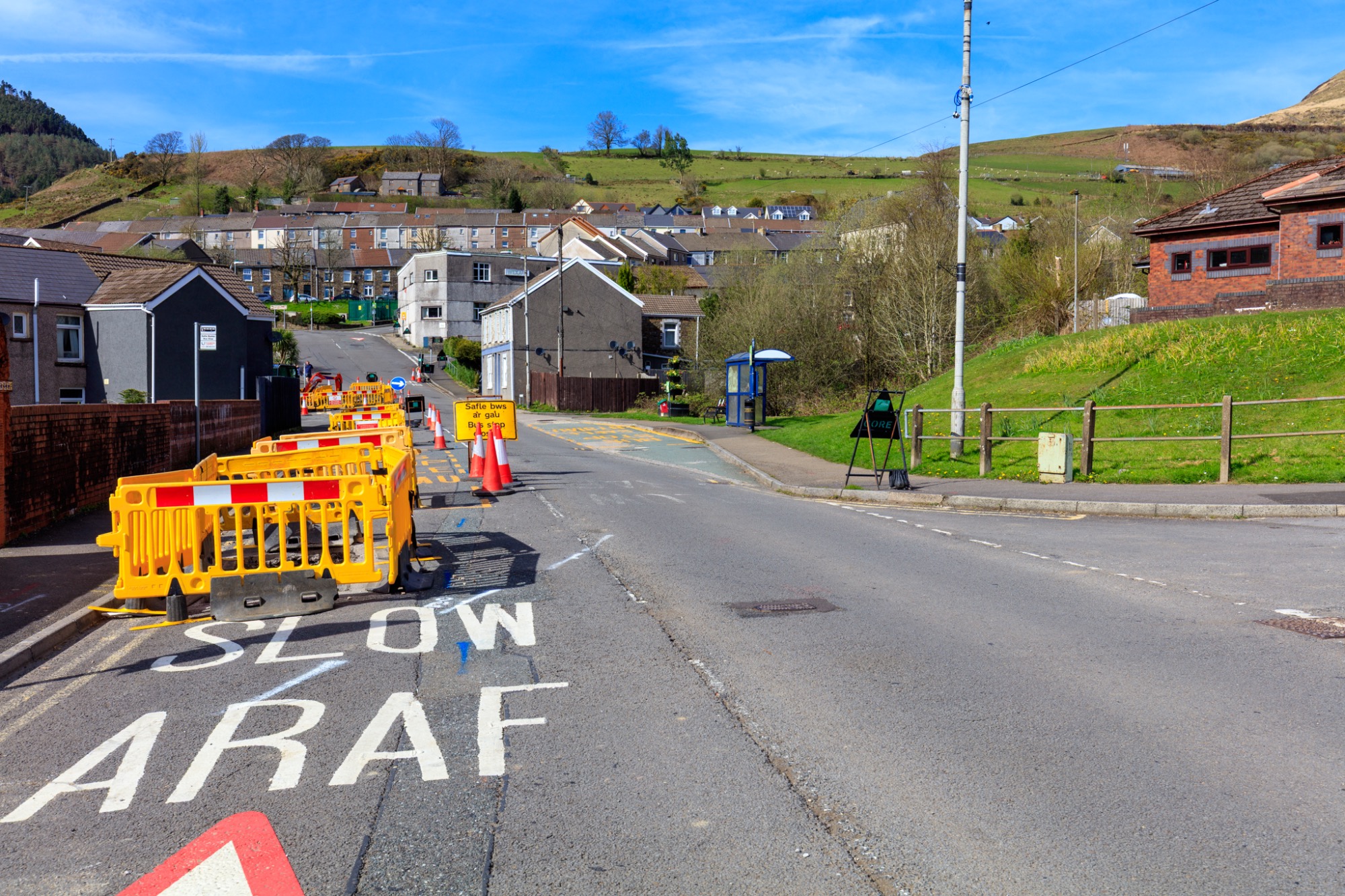
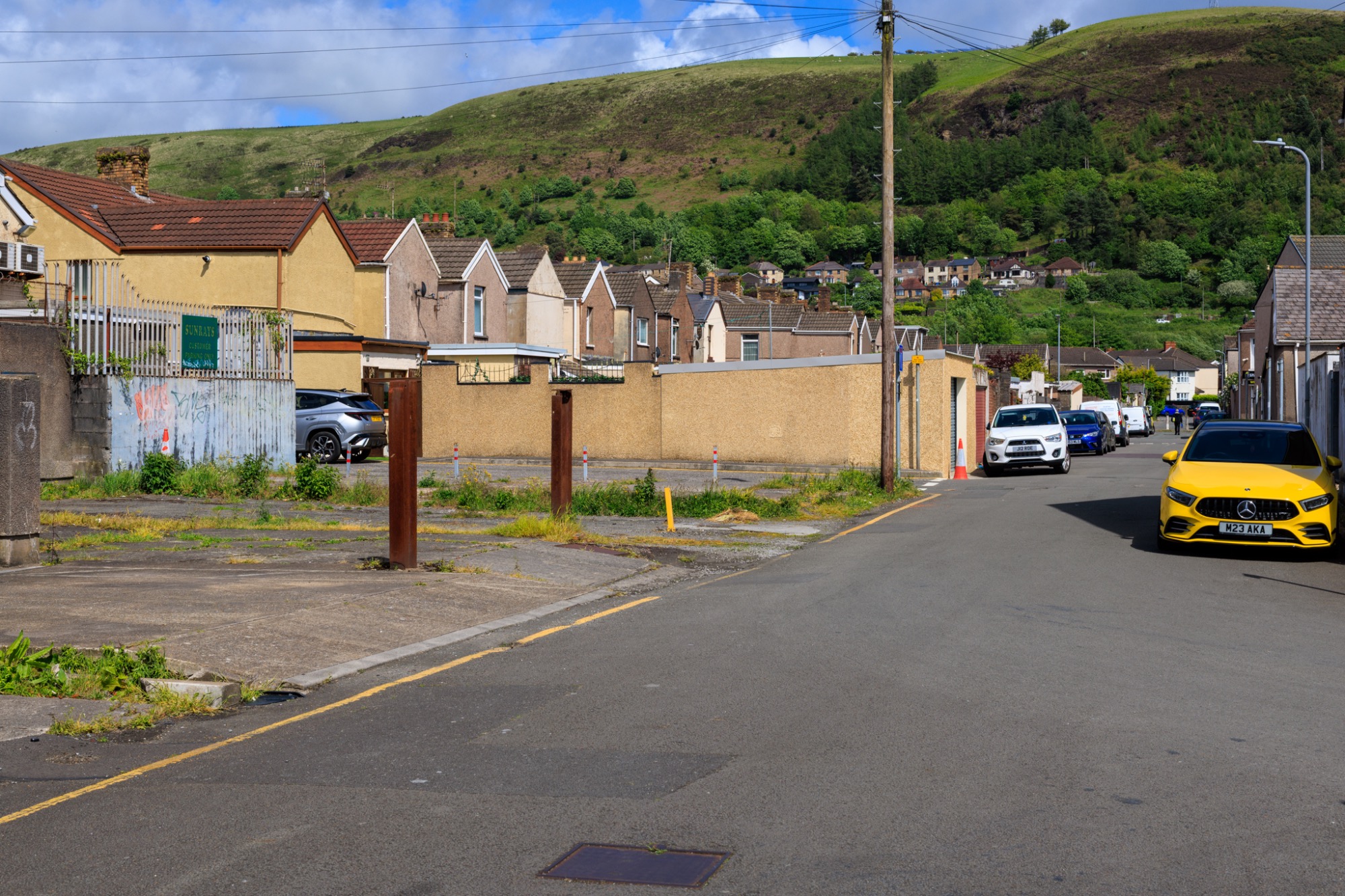
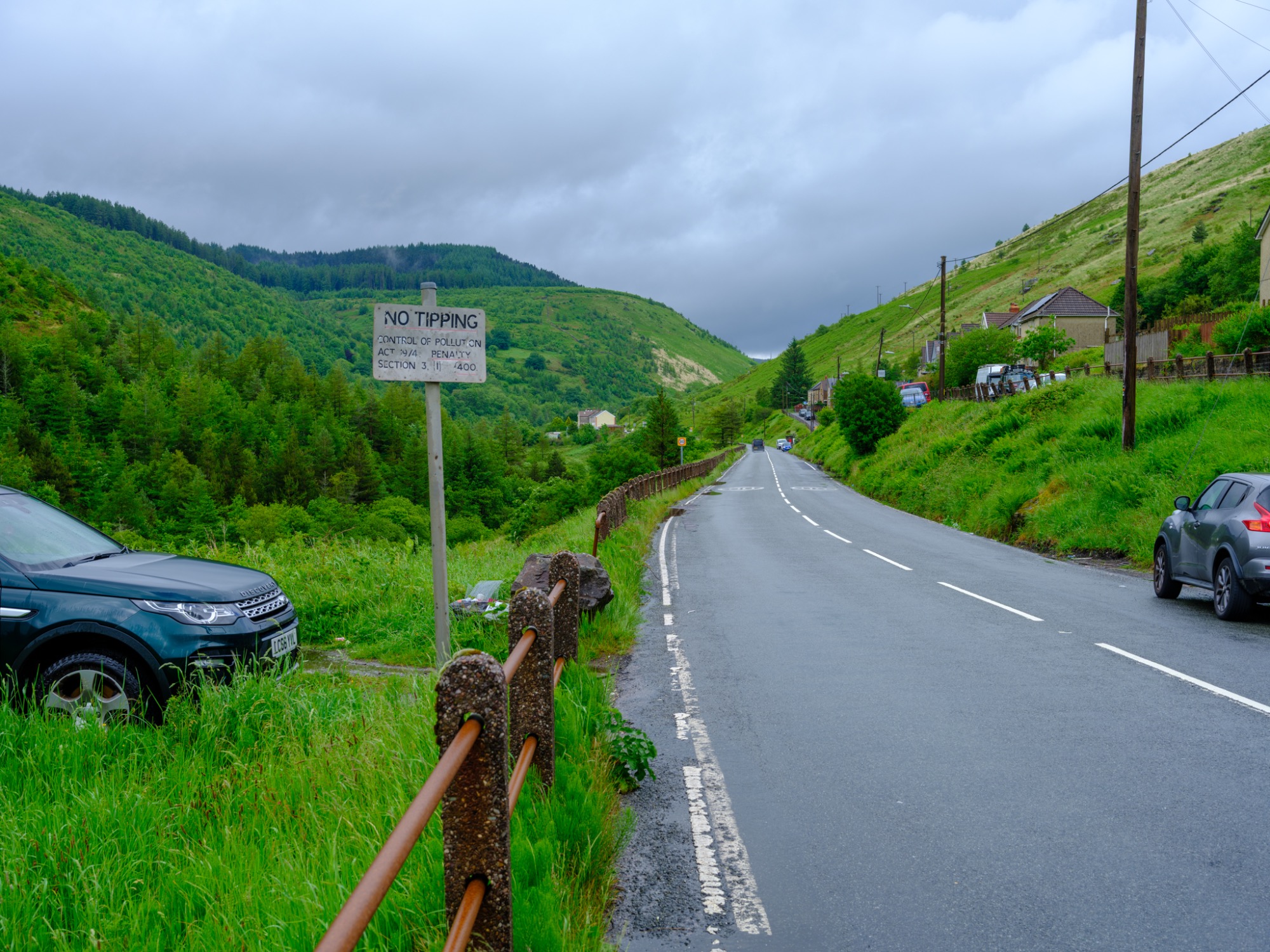
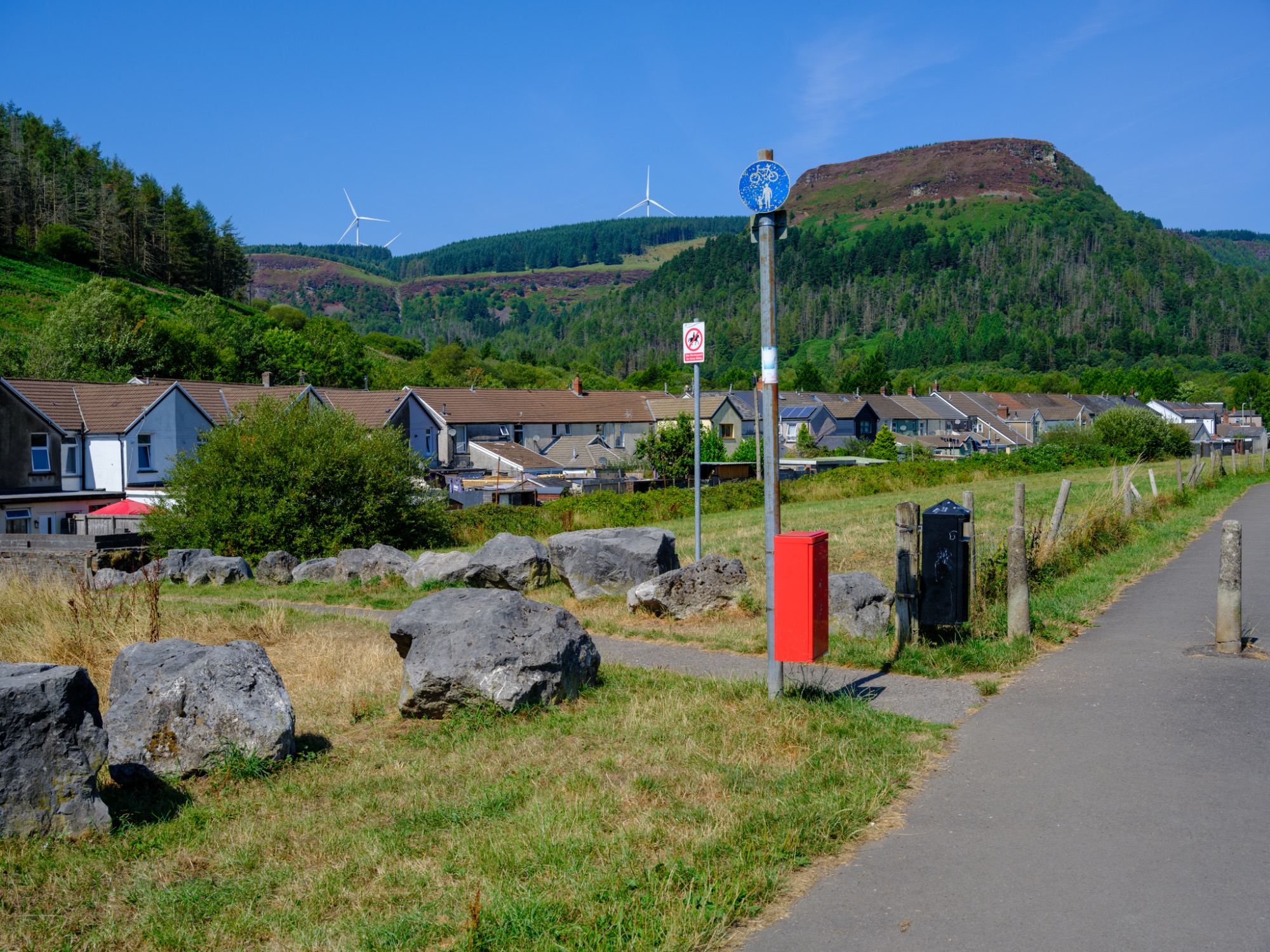
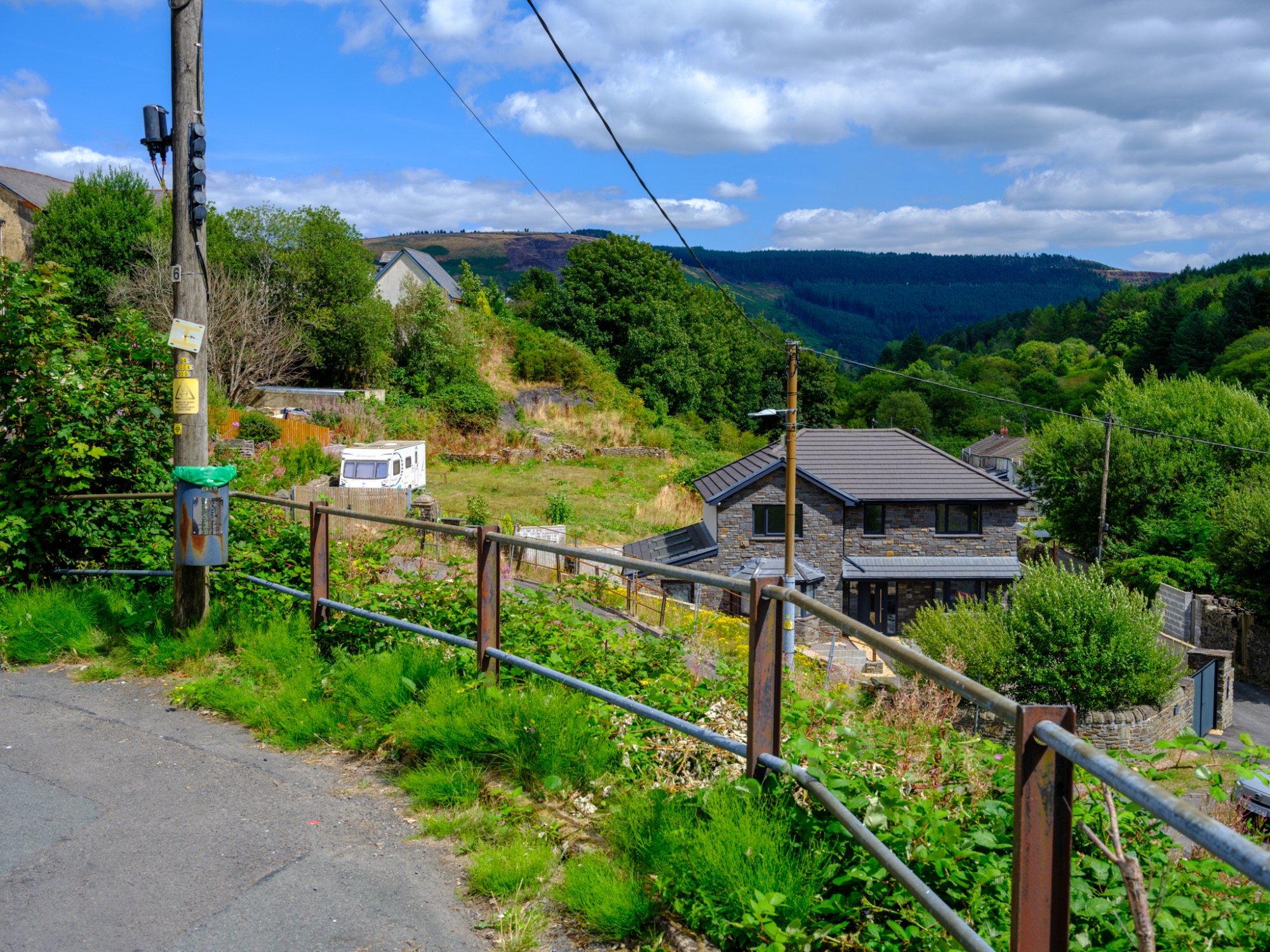
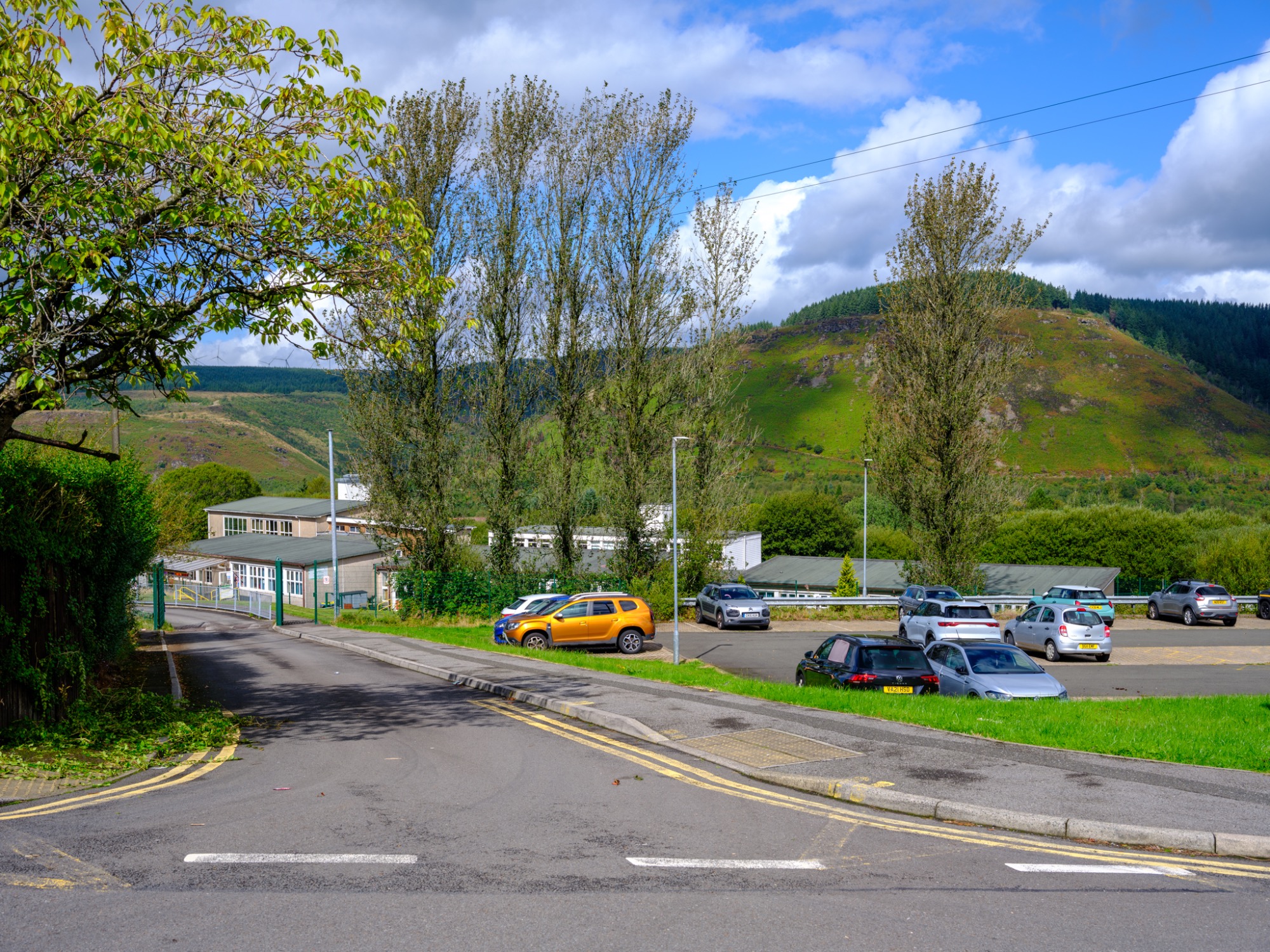
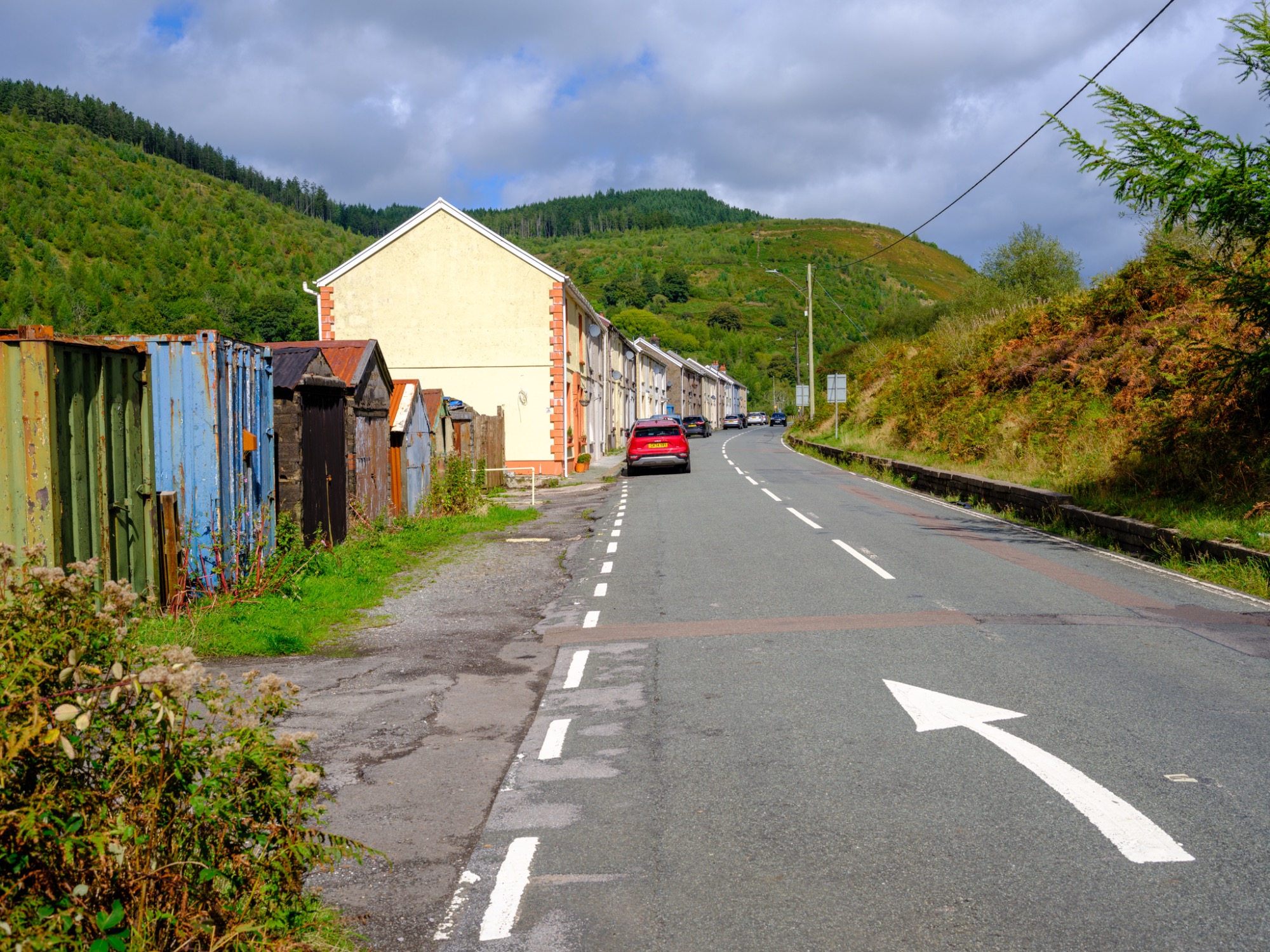
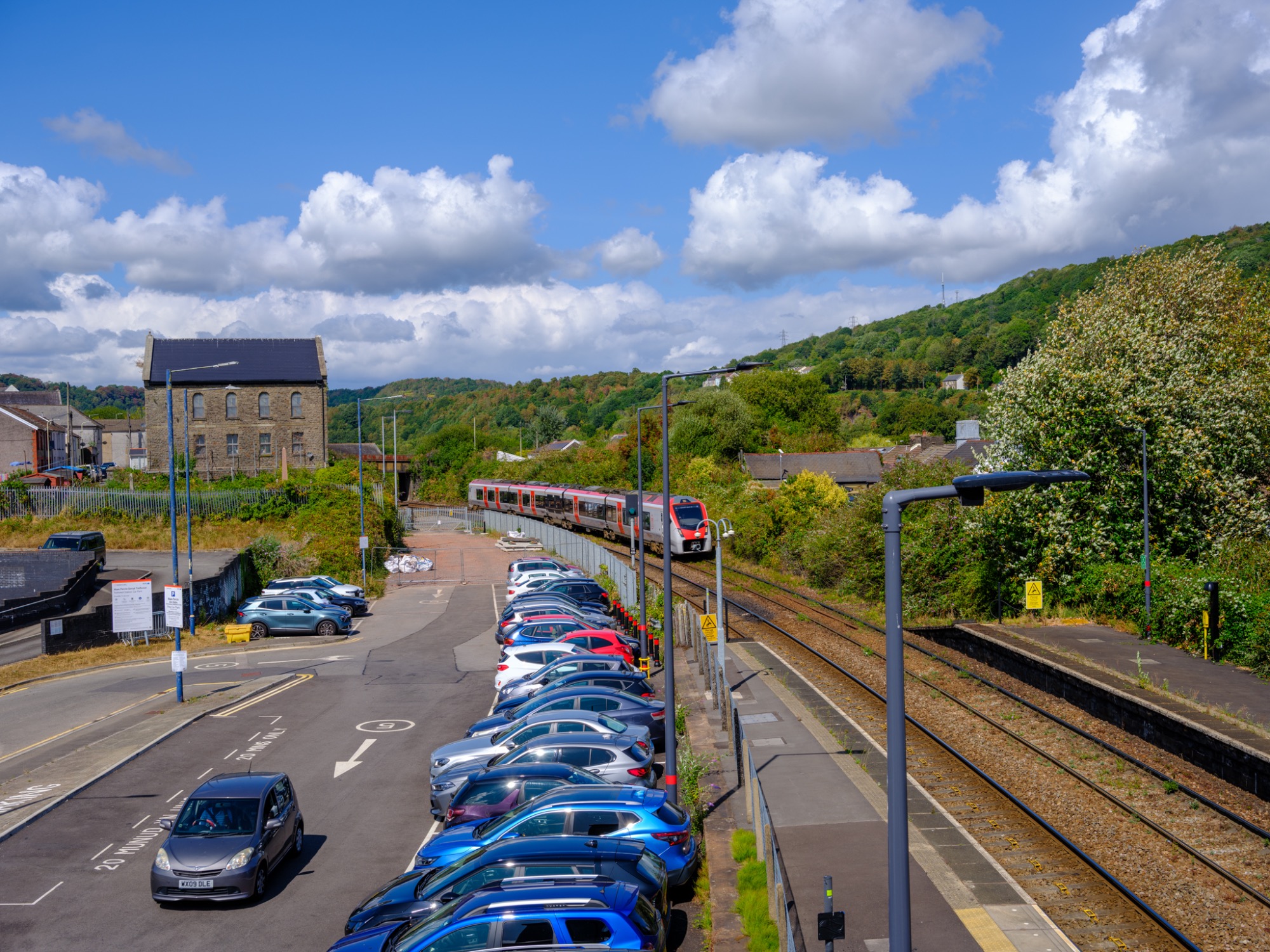
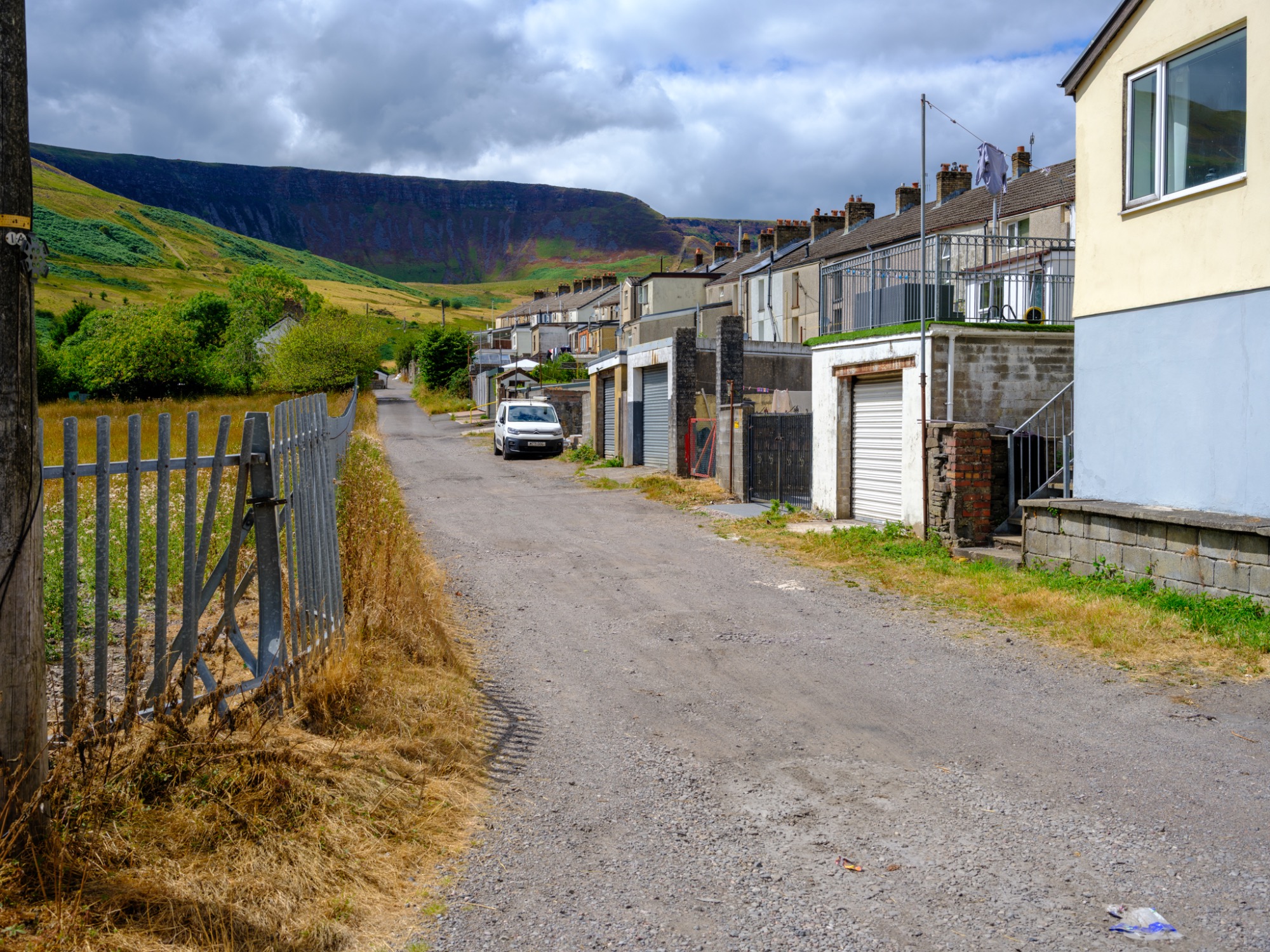
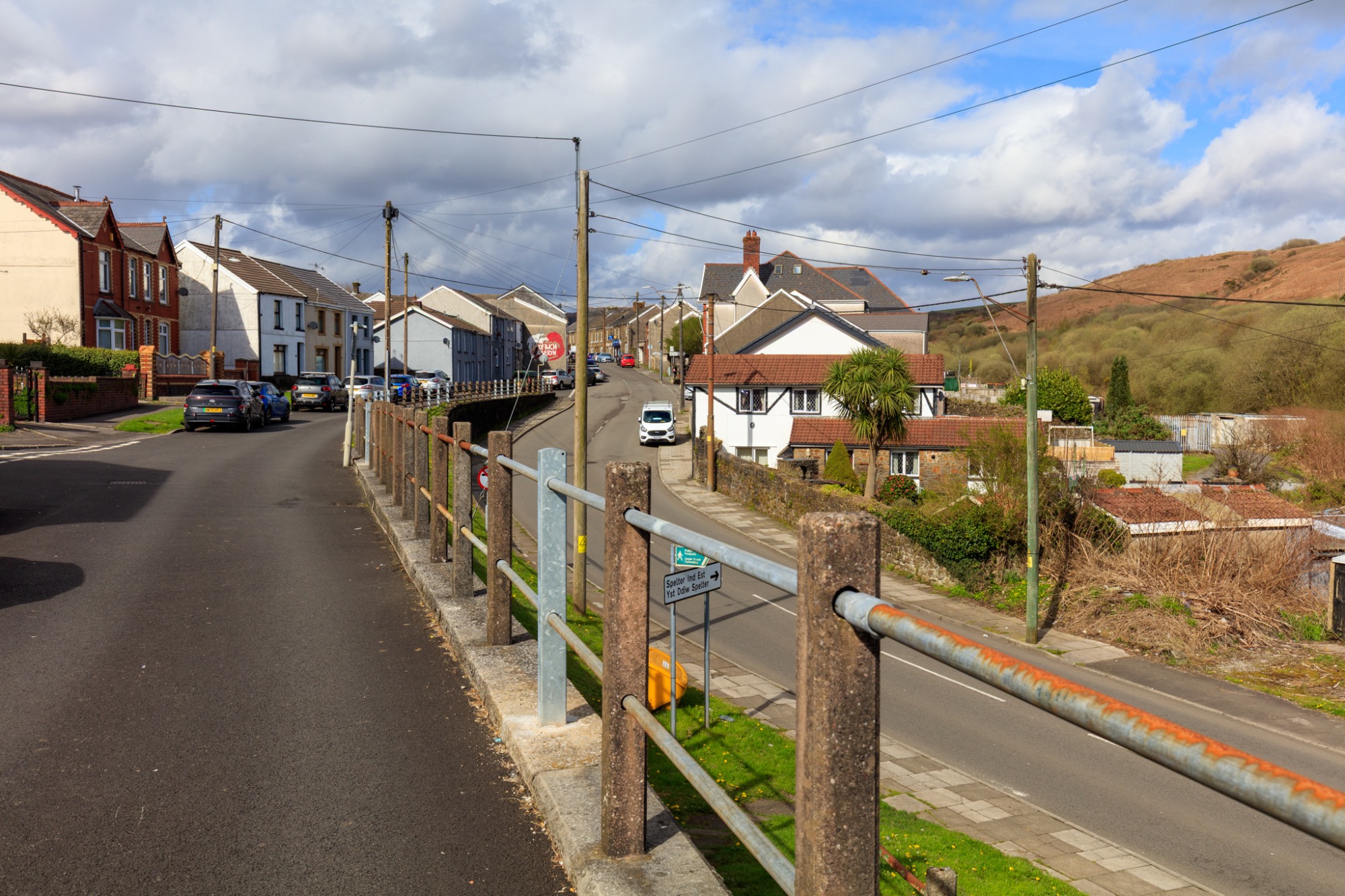
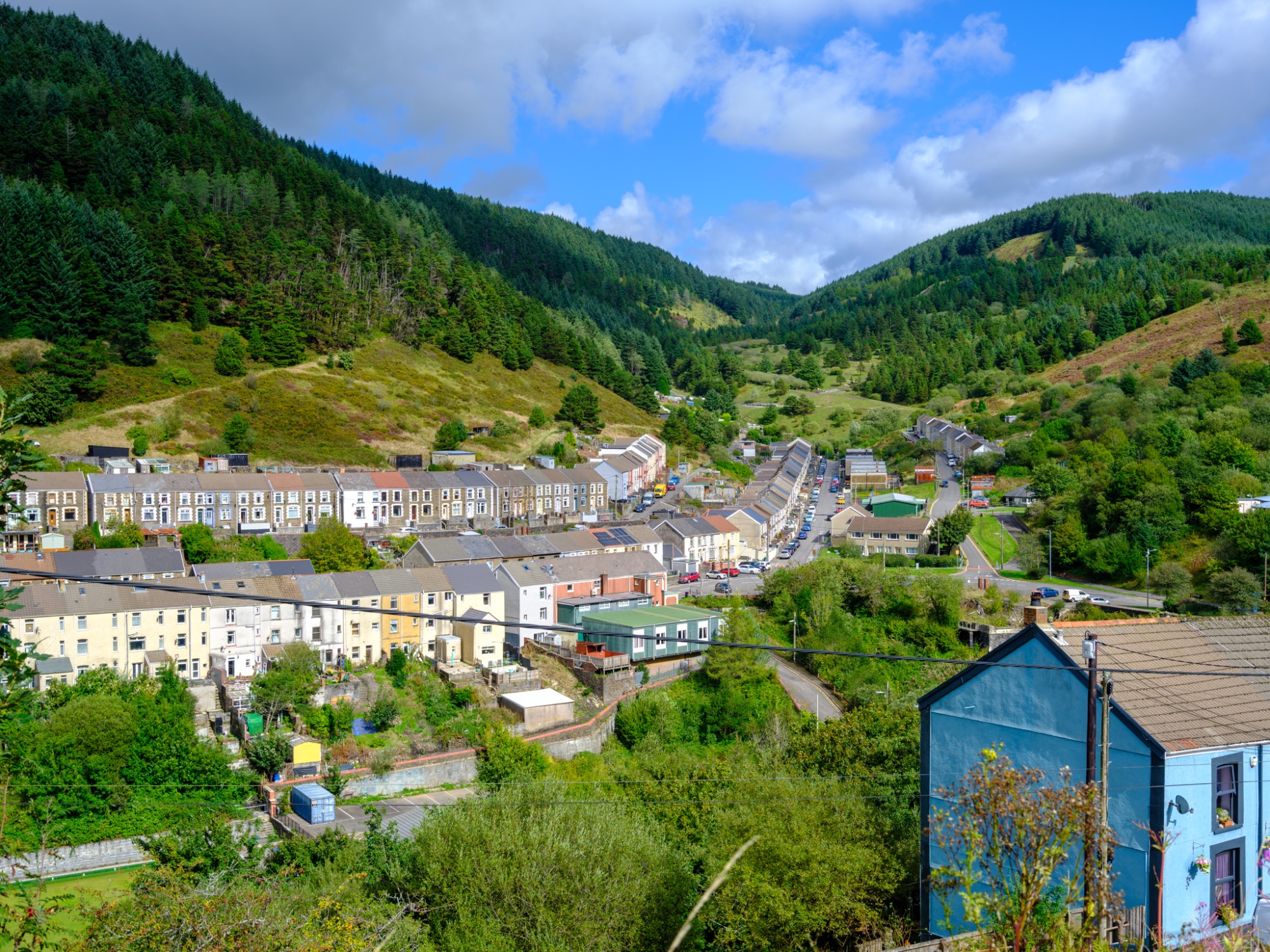
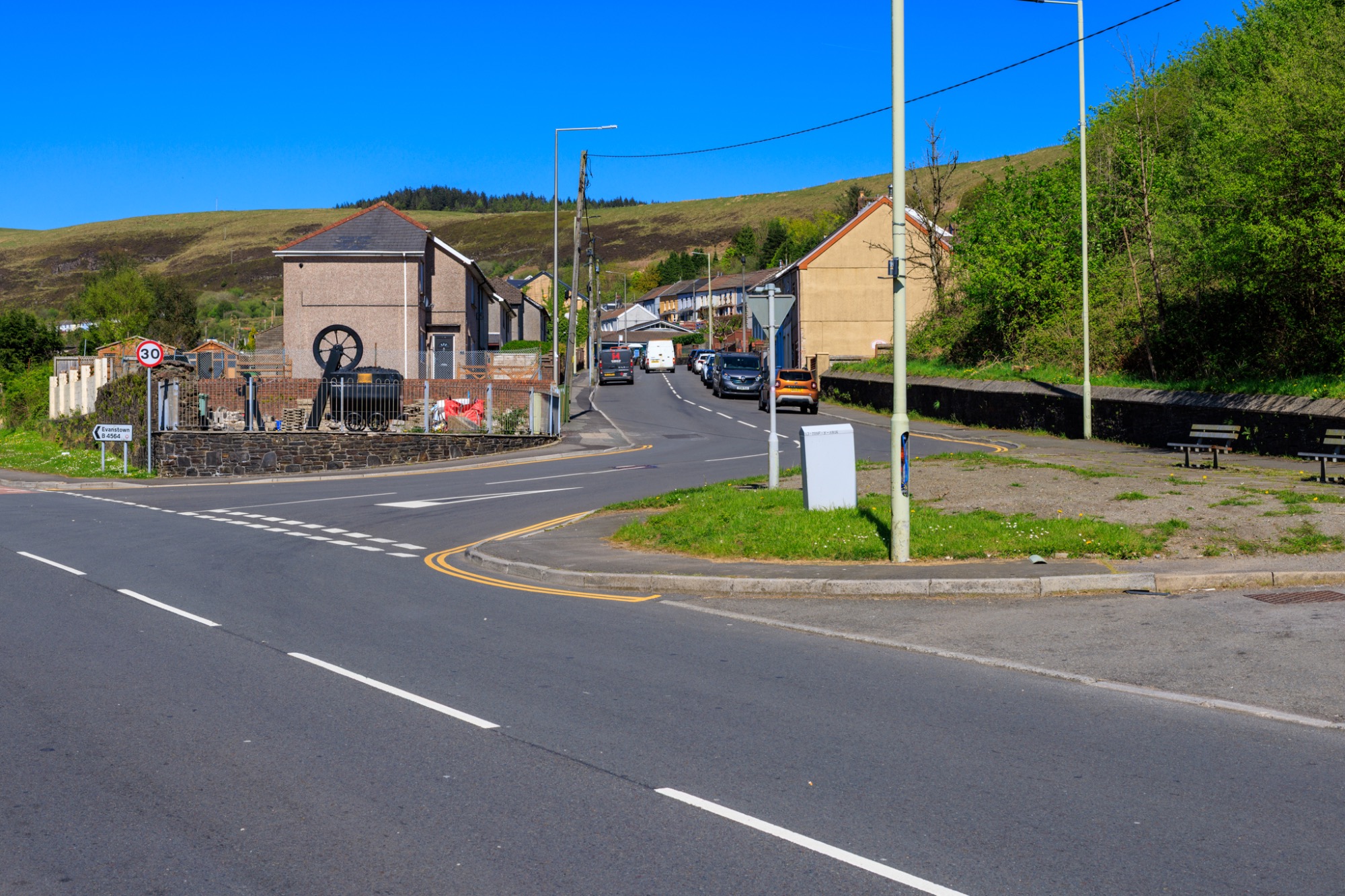
This project presents the landscape as a shared environment shaped by both natural form and human activity. It avoids romanticising the scenery or treating the built environment as intrusion, instead, revealing how each element influences the other over time. The images highlight the rhythms, alignments, and quiet adaptations that emerge when everyday structures settle into the land.
This project invites viewers to look slowly and consider South Wales as a place where beauty is not found in untouched nature, but in the layered, evolving relationship between people and the landscape. The work reflects a commitment to clarity, restraint, and the integrity of place, offering a calm, attentive study of how the built and natural coexist.
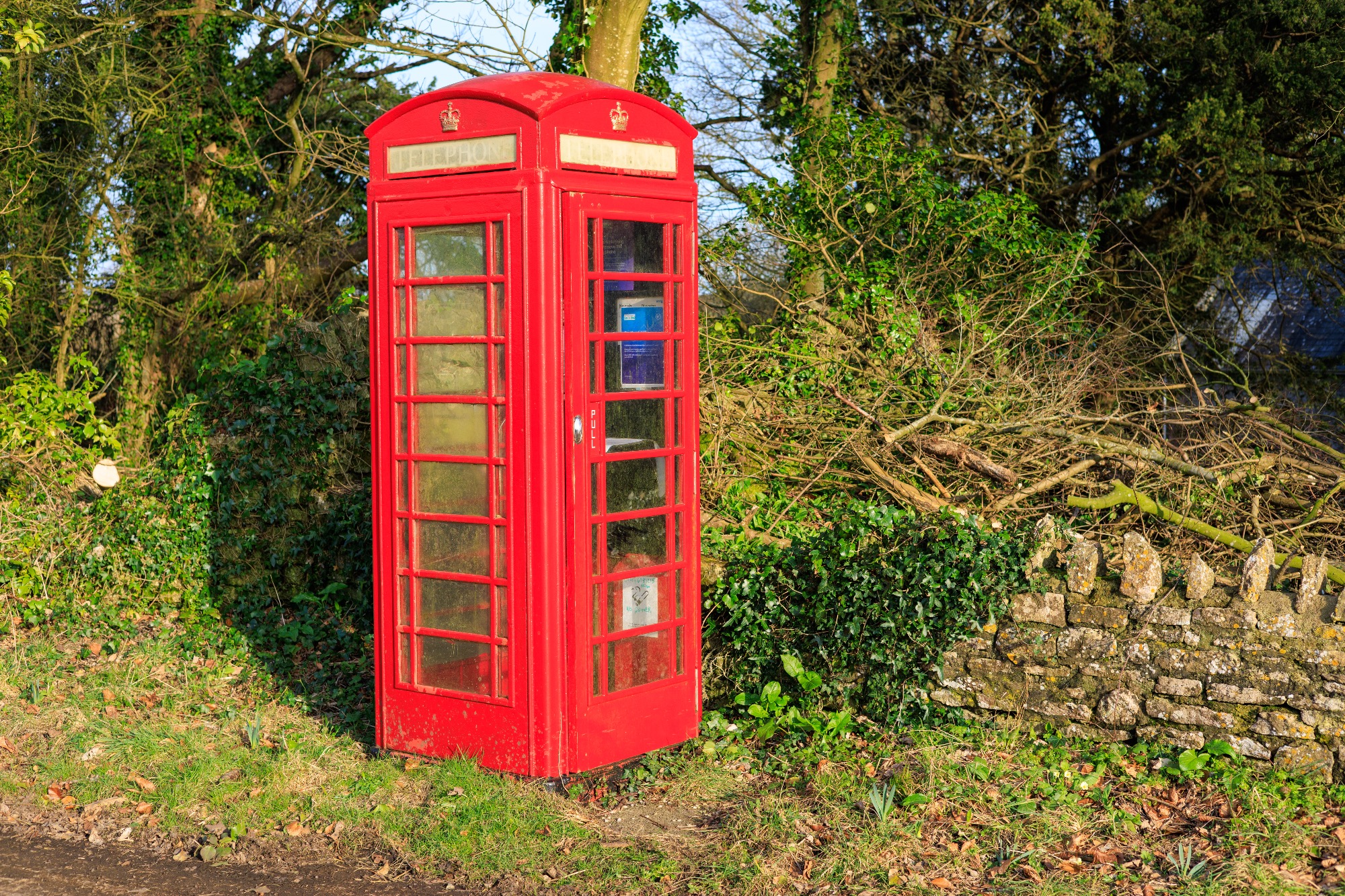
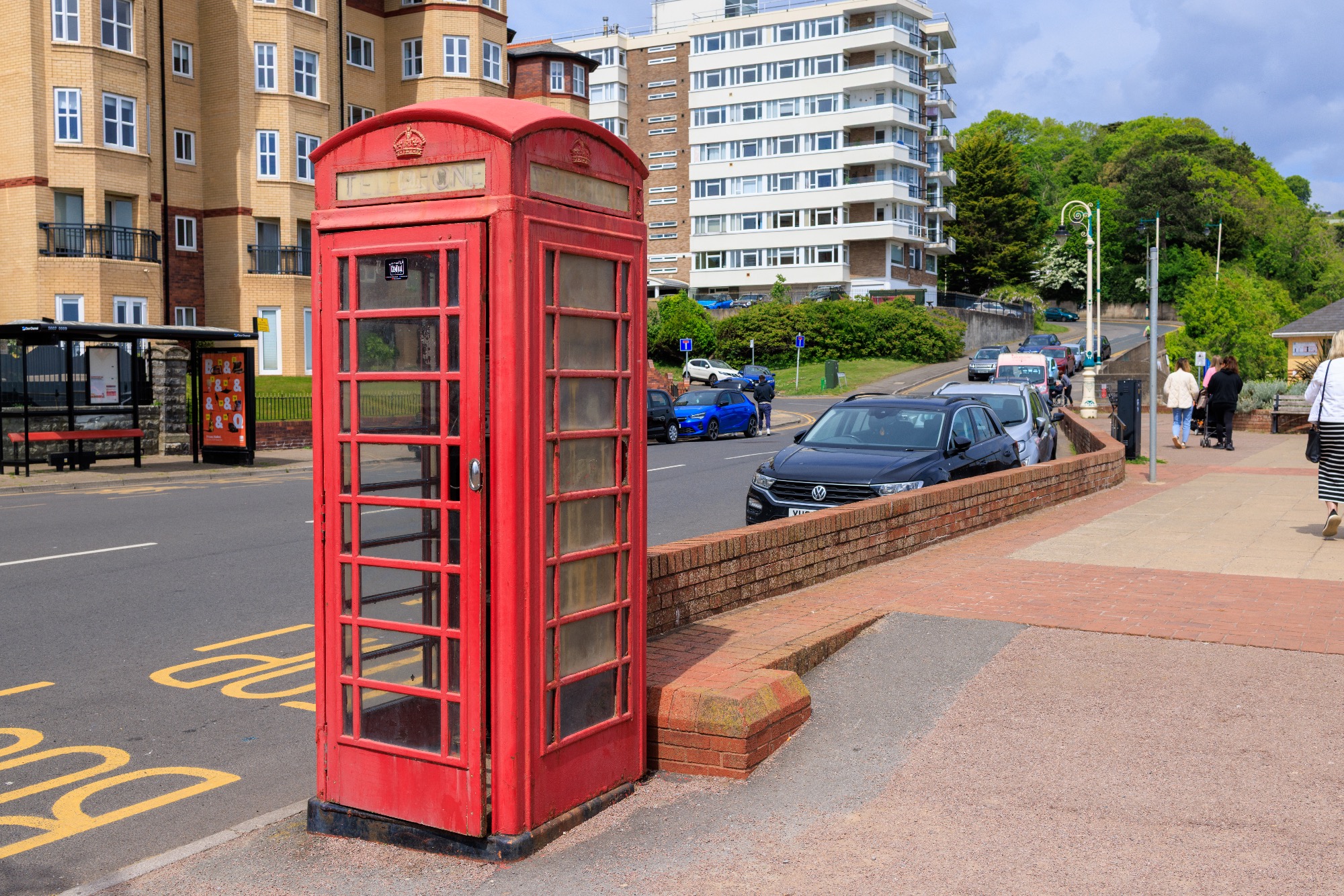
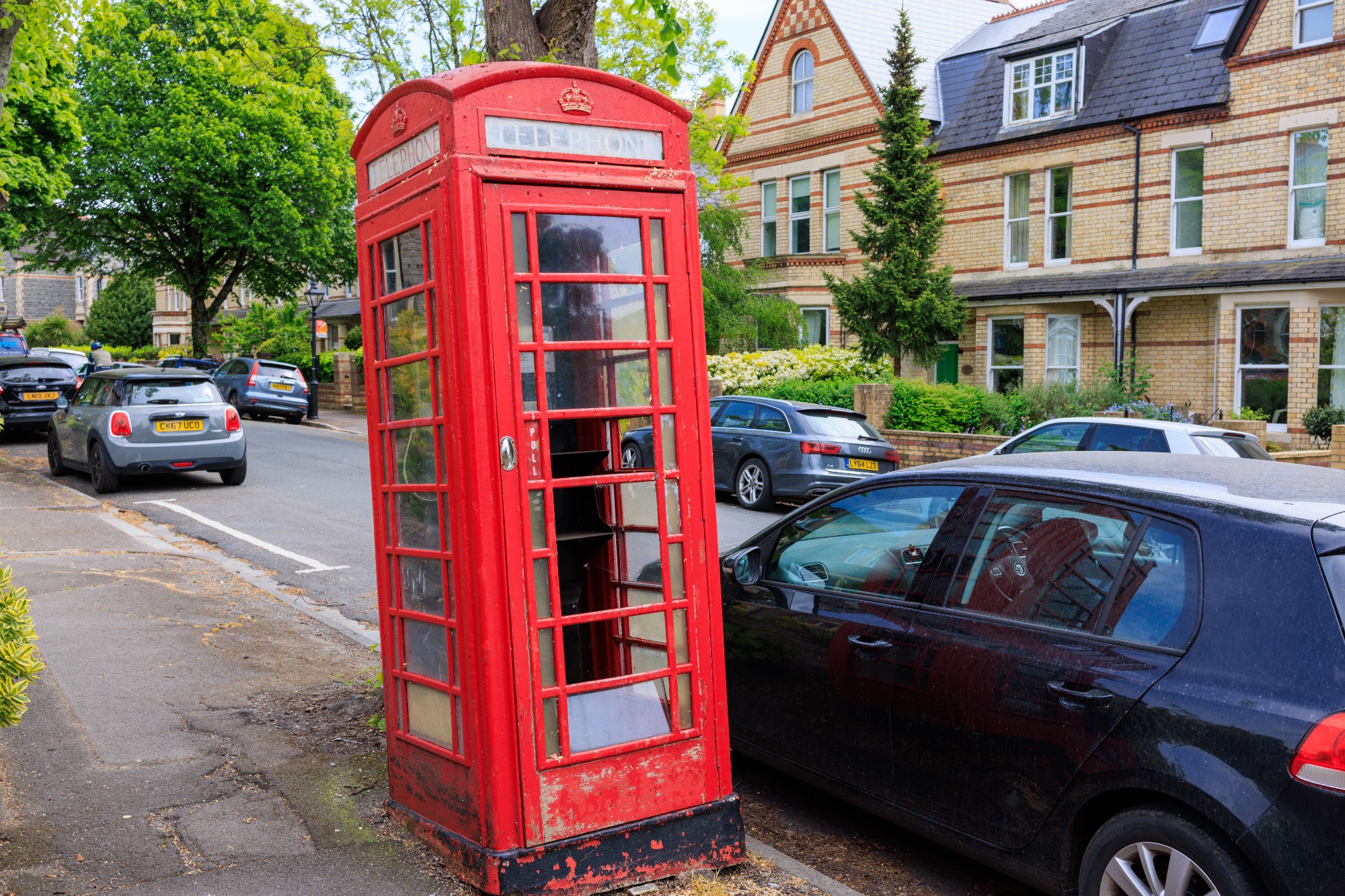
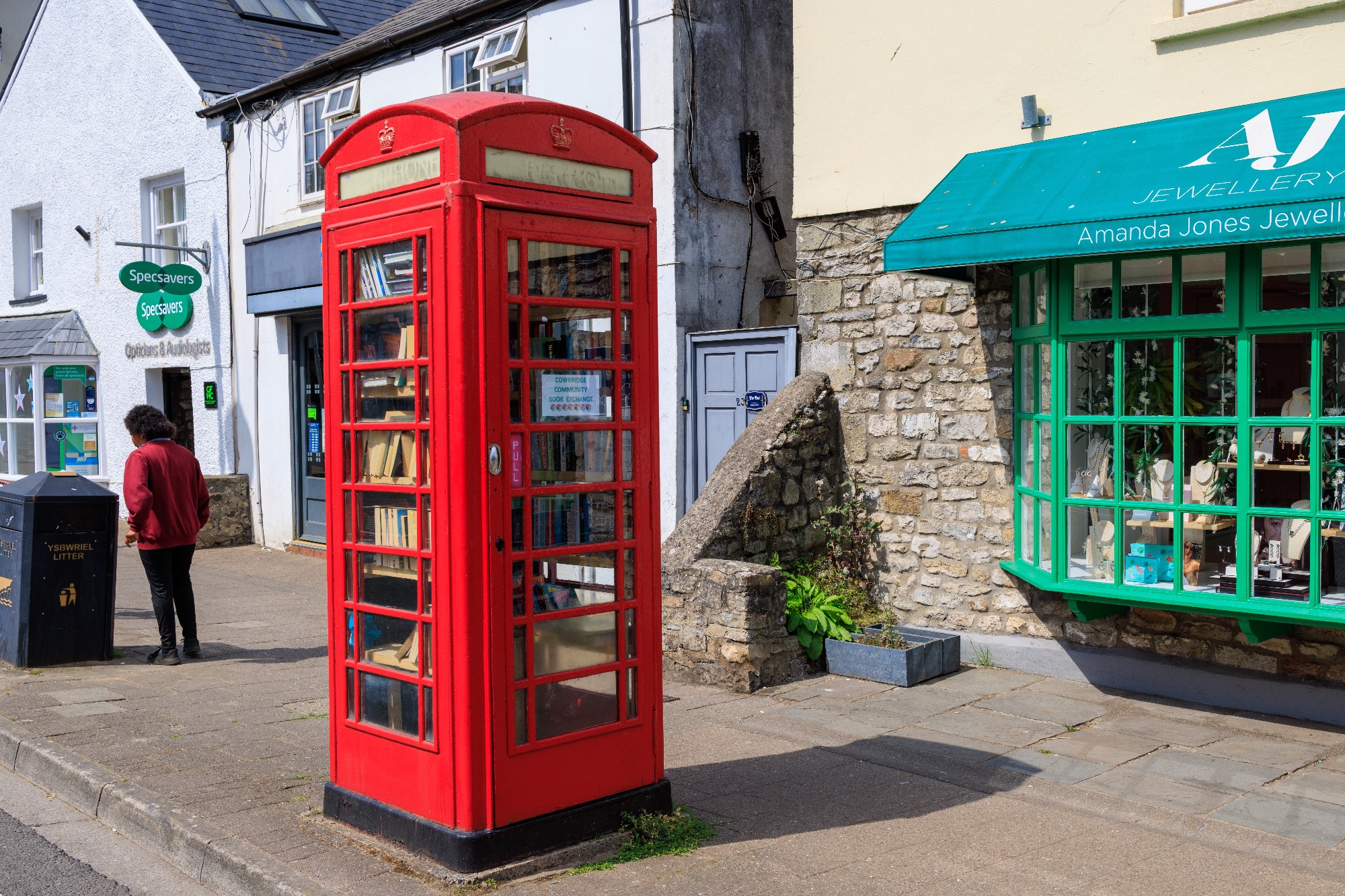
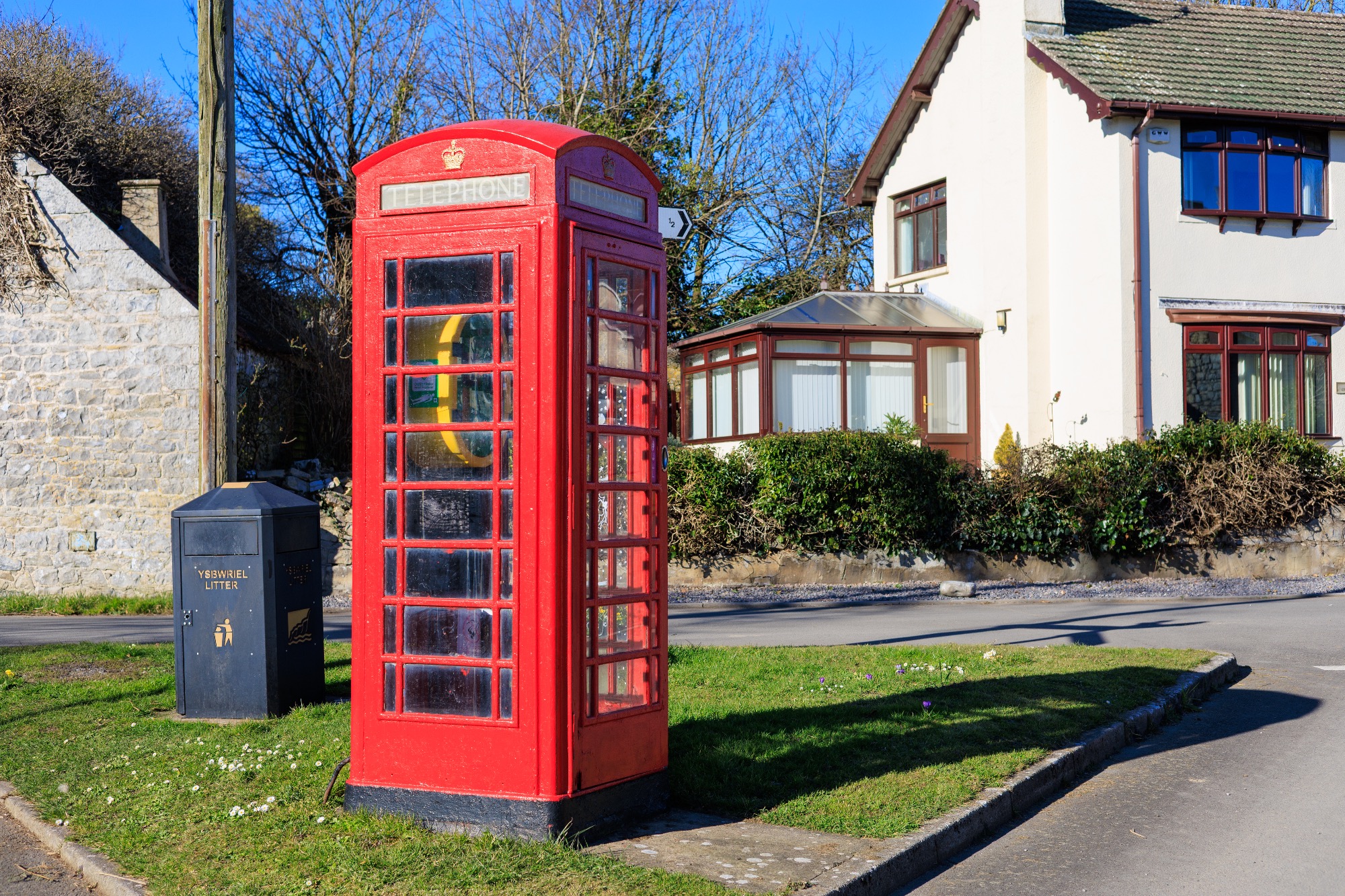
Twentyeight Red Phone Boxes
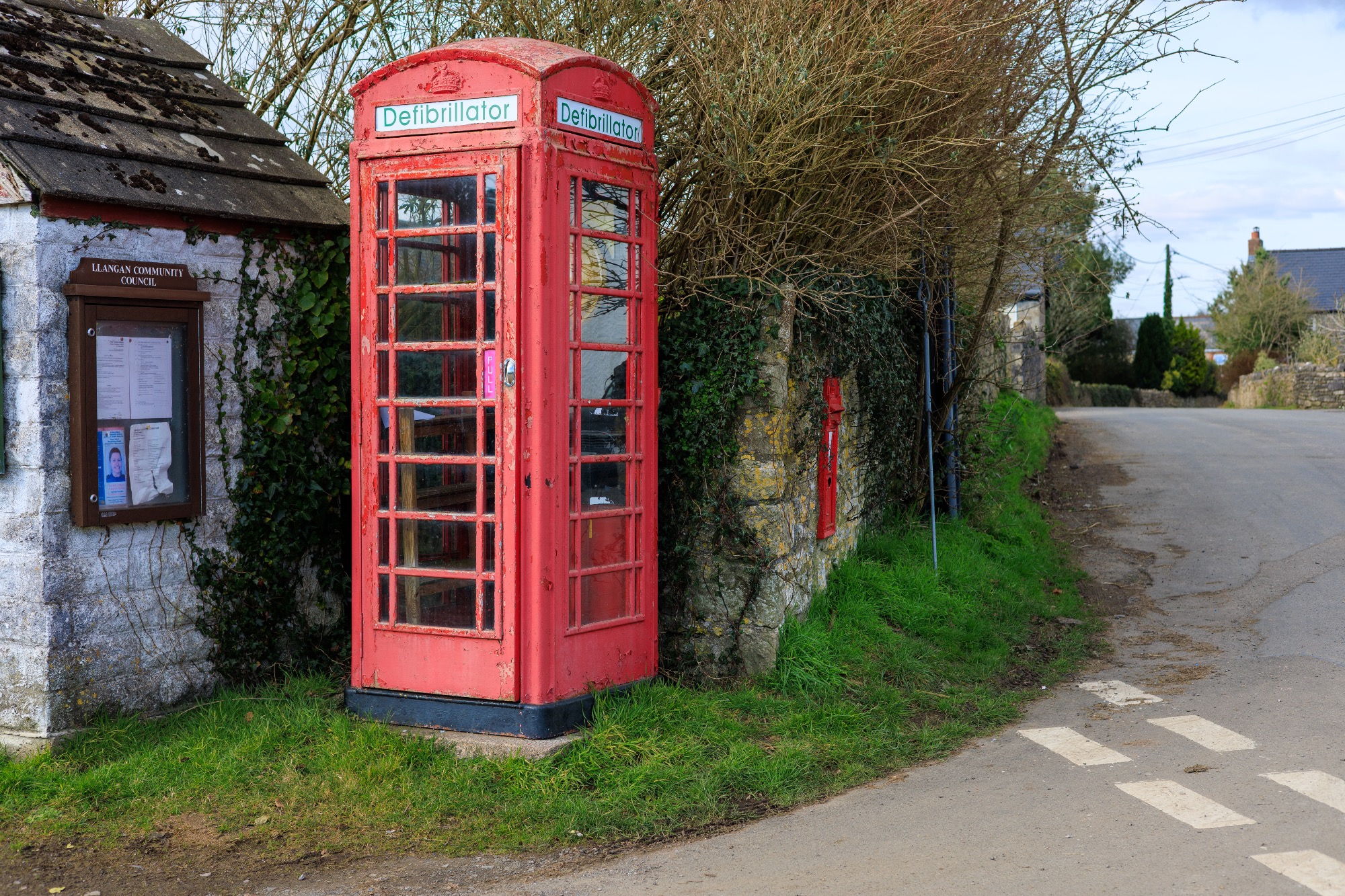
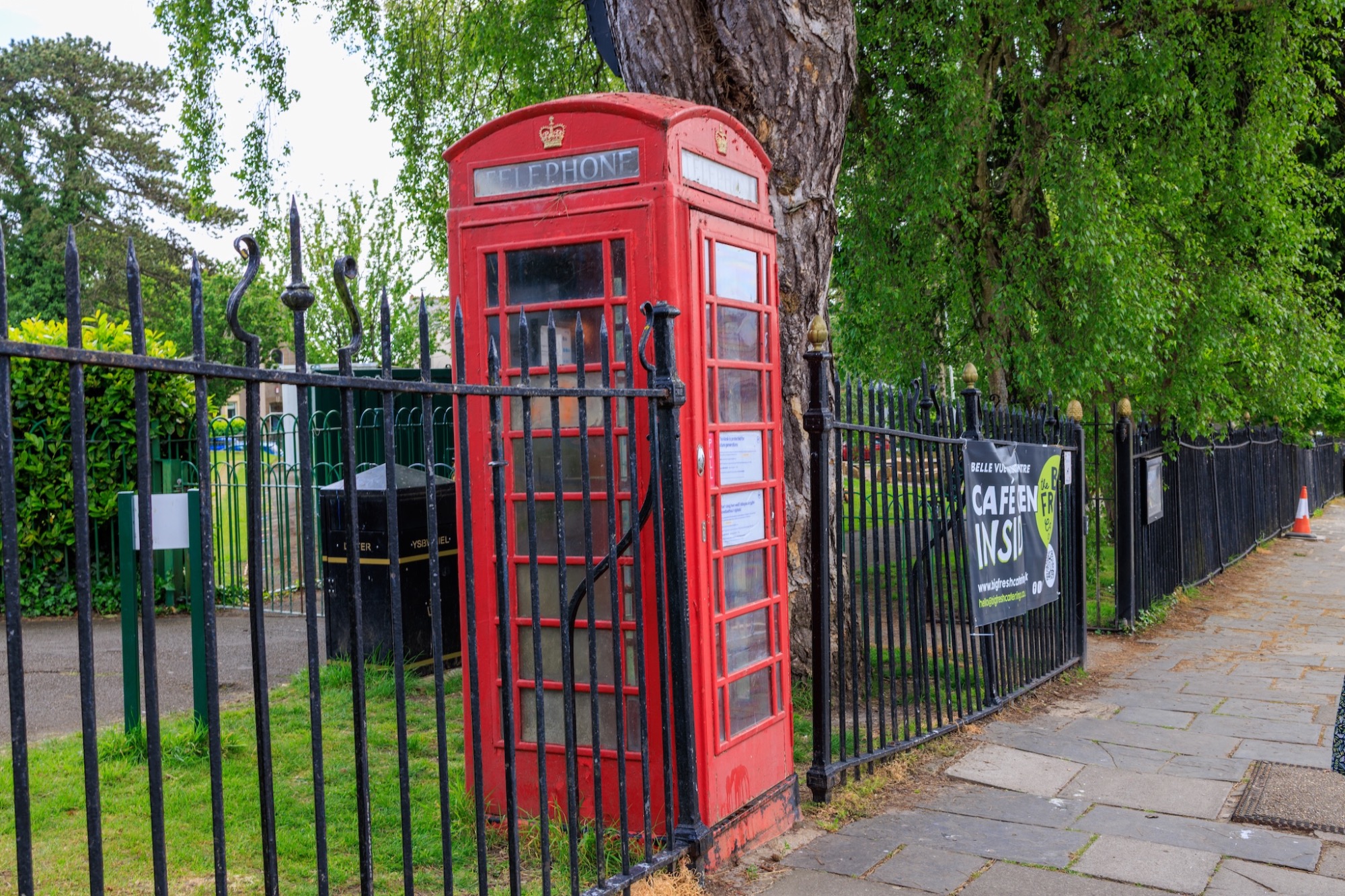
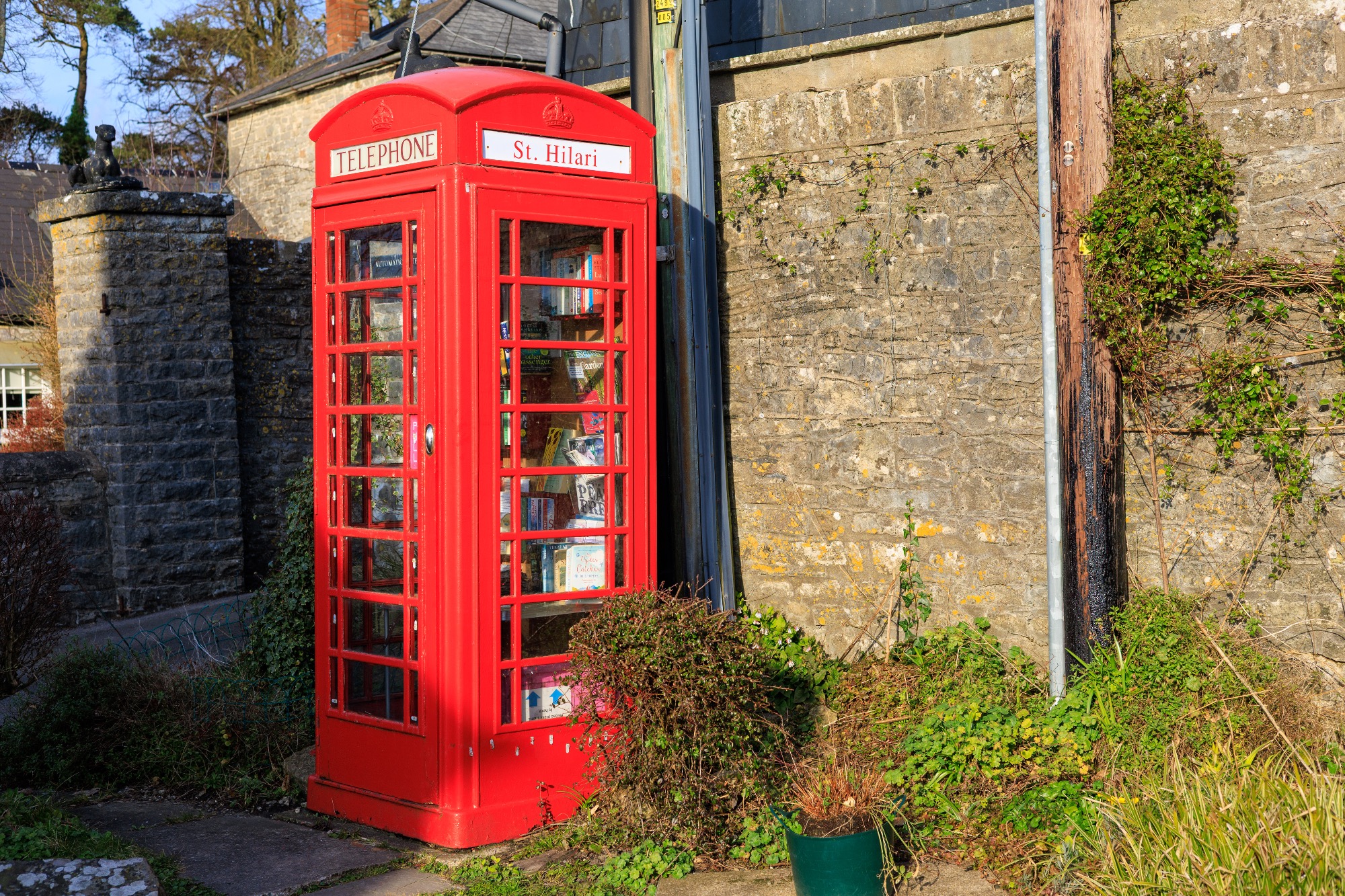
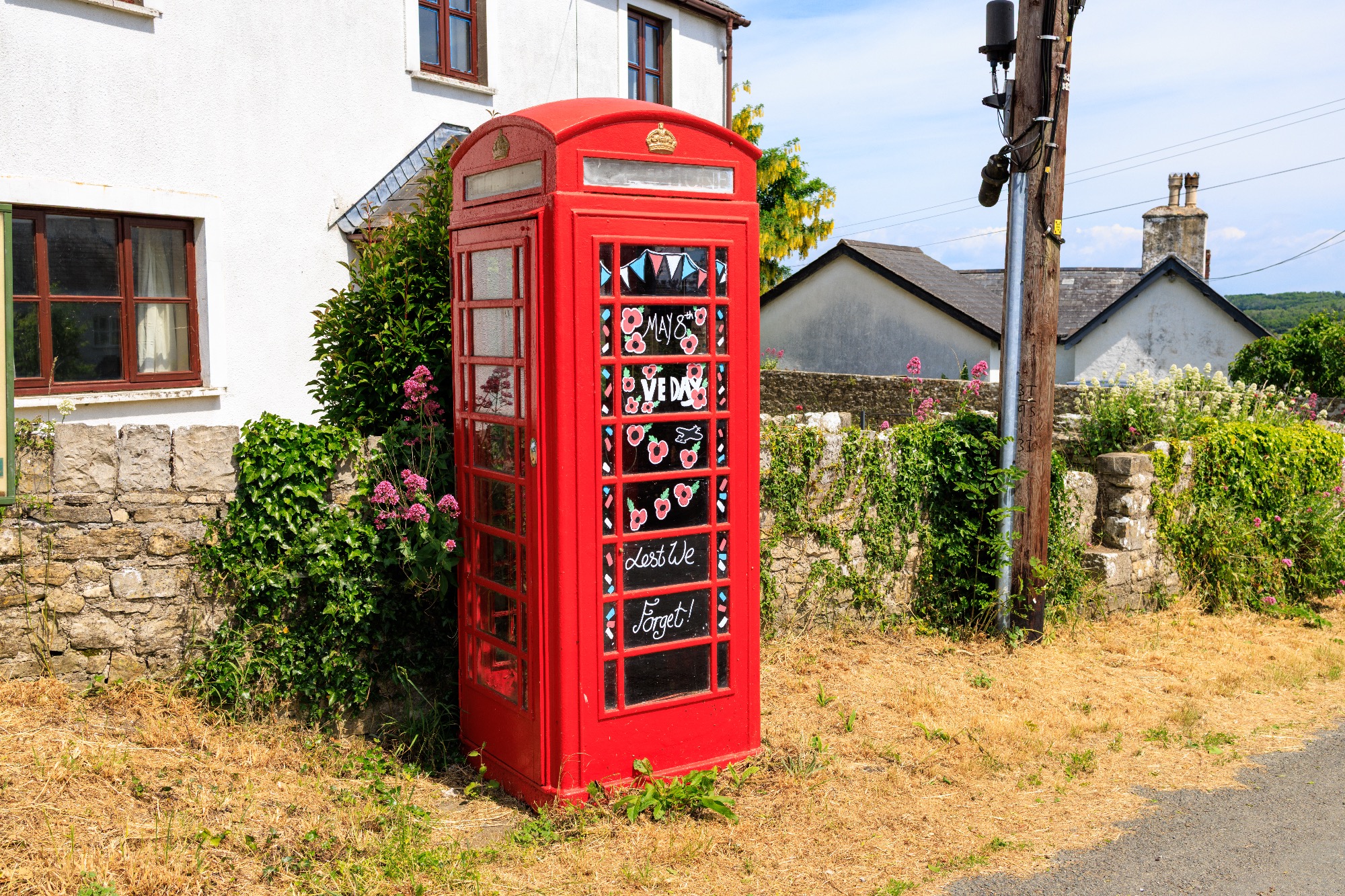
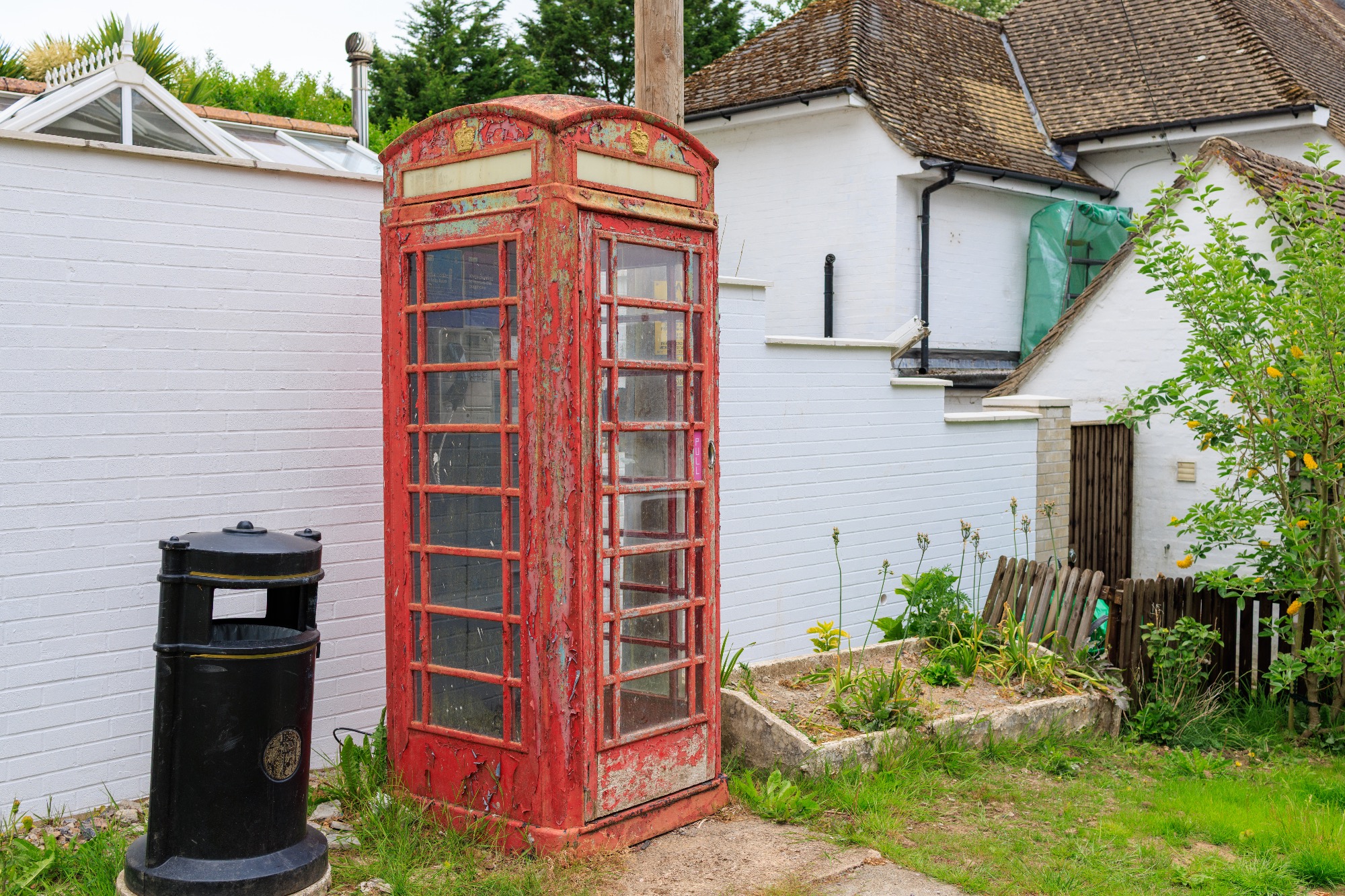
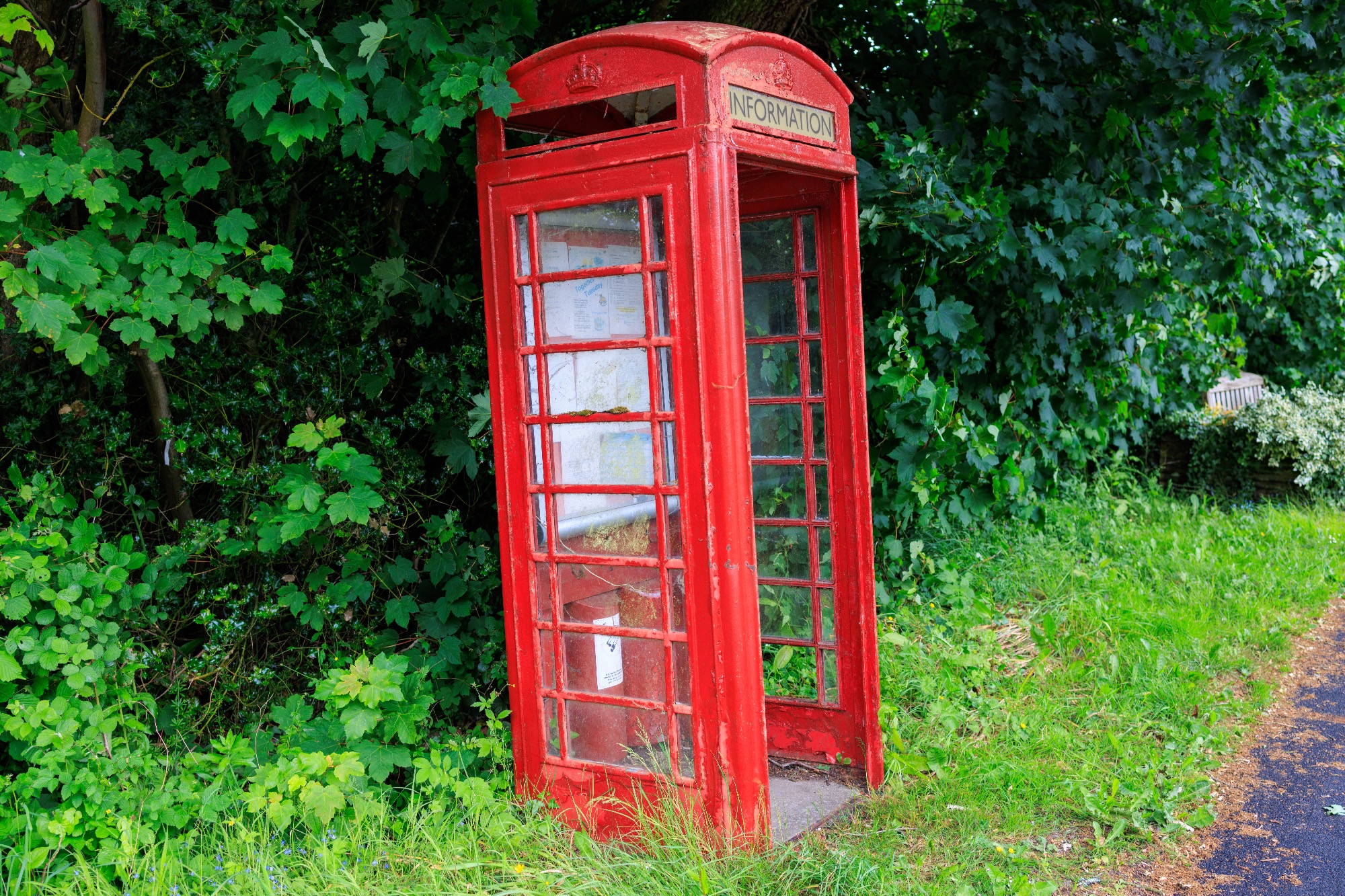
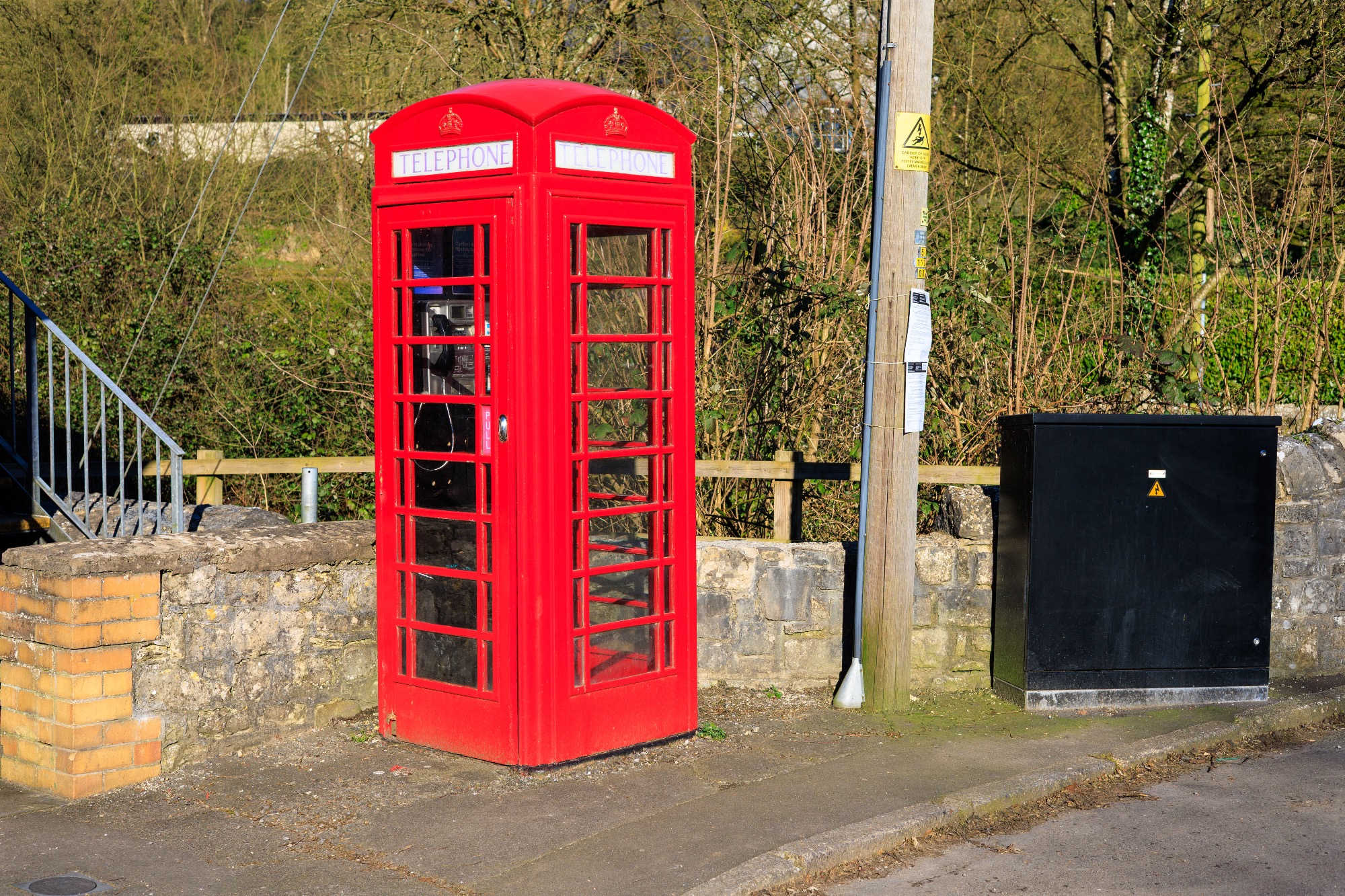
Objects once essential to daily life often fade into irrelevance as the modern world moves on. Yet some manage to endure, held in place by nostalgia, cultural identity, or simple familiarity. The K6 red phone box, rendered obsolete by mobile phones and largely removed from public spaces, has remained an iconic symbol of Britishness, instantly recognisable across the world. In many villages, they have been preserved, restored, or reimagined with new purpose.
This project explores the varied settings, conditions, and contemporary uses of phone boxes across the Vale of Glamorgan. It considers what these structures mean to their communities and how they are cherished, repurposed, overlooked, or left to decay. The work is inspired by Edward Ruscha’s Twentysix Gasoline Stations, echoing its quiet documentation and attention to the everyday.
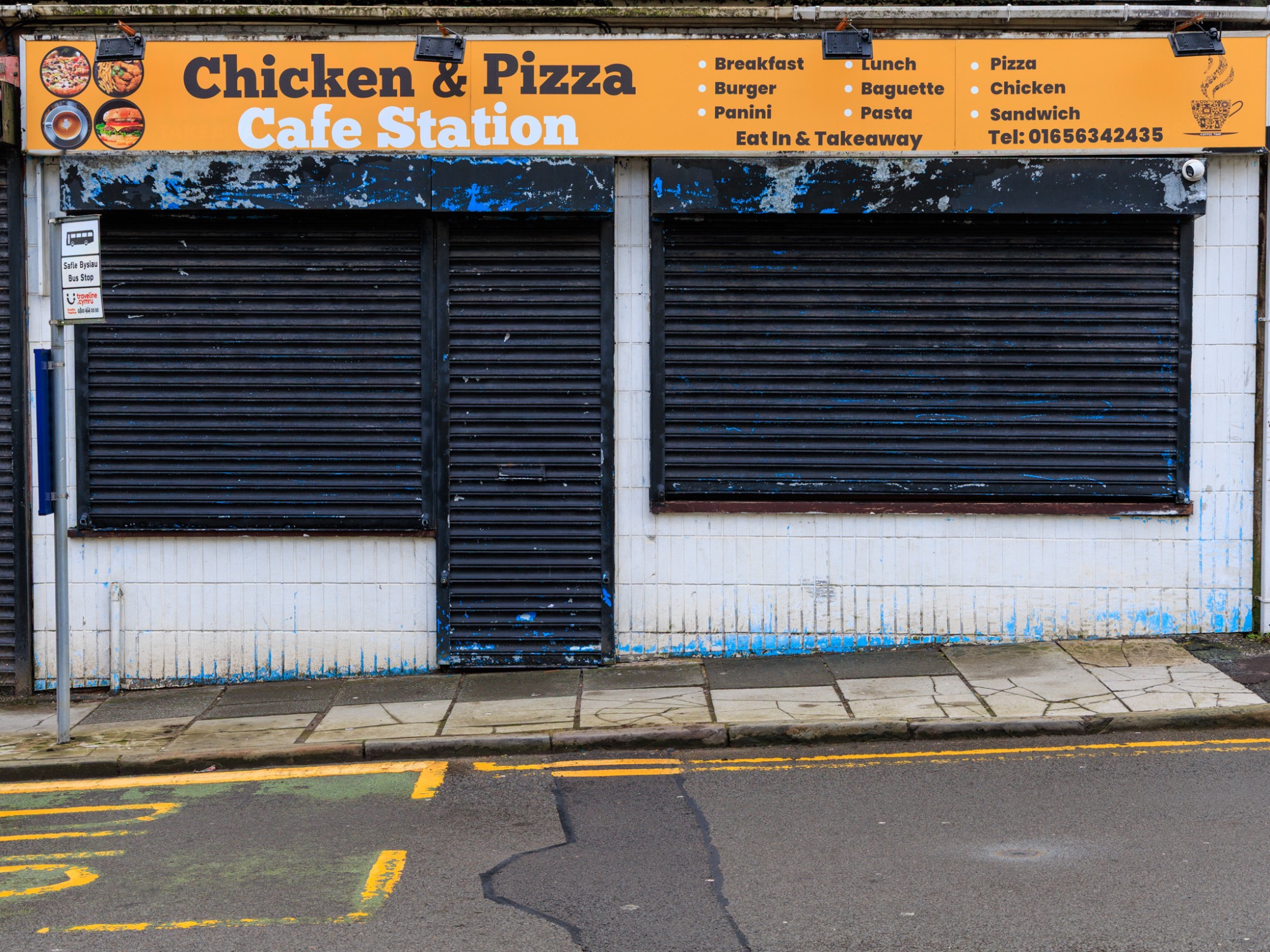
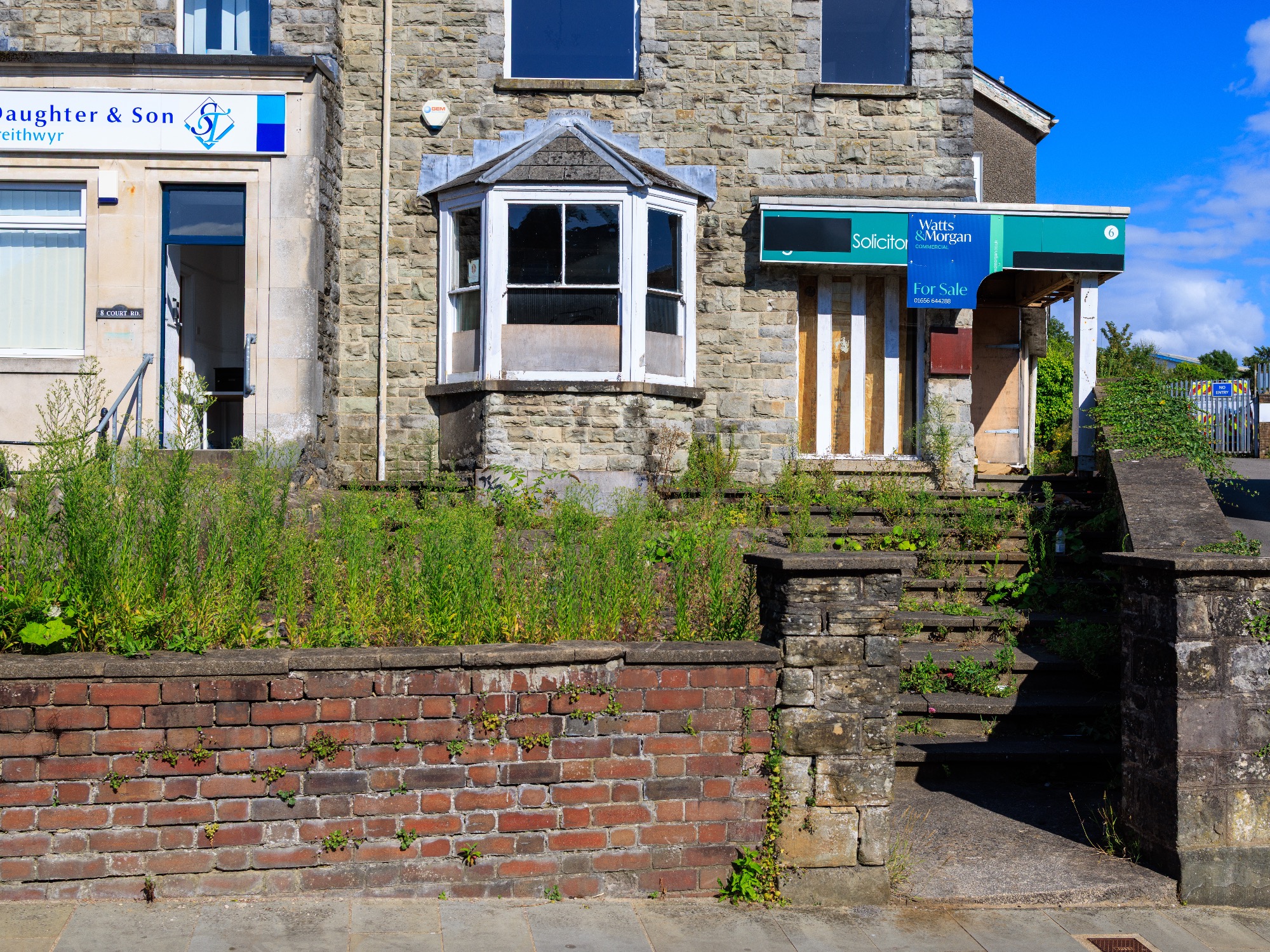
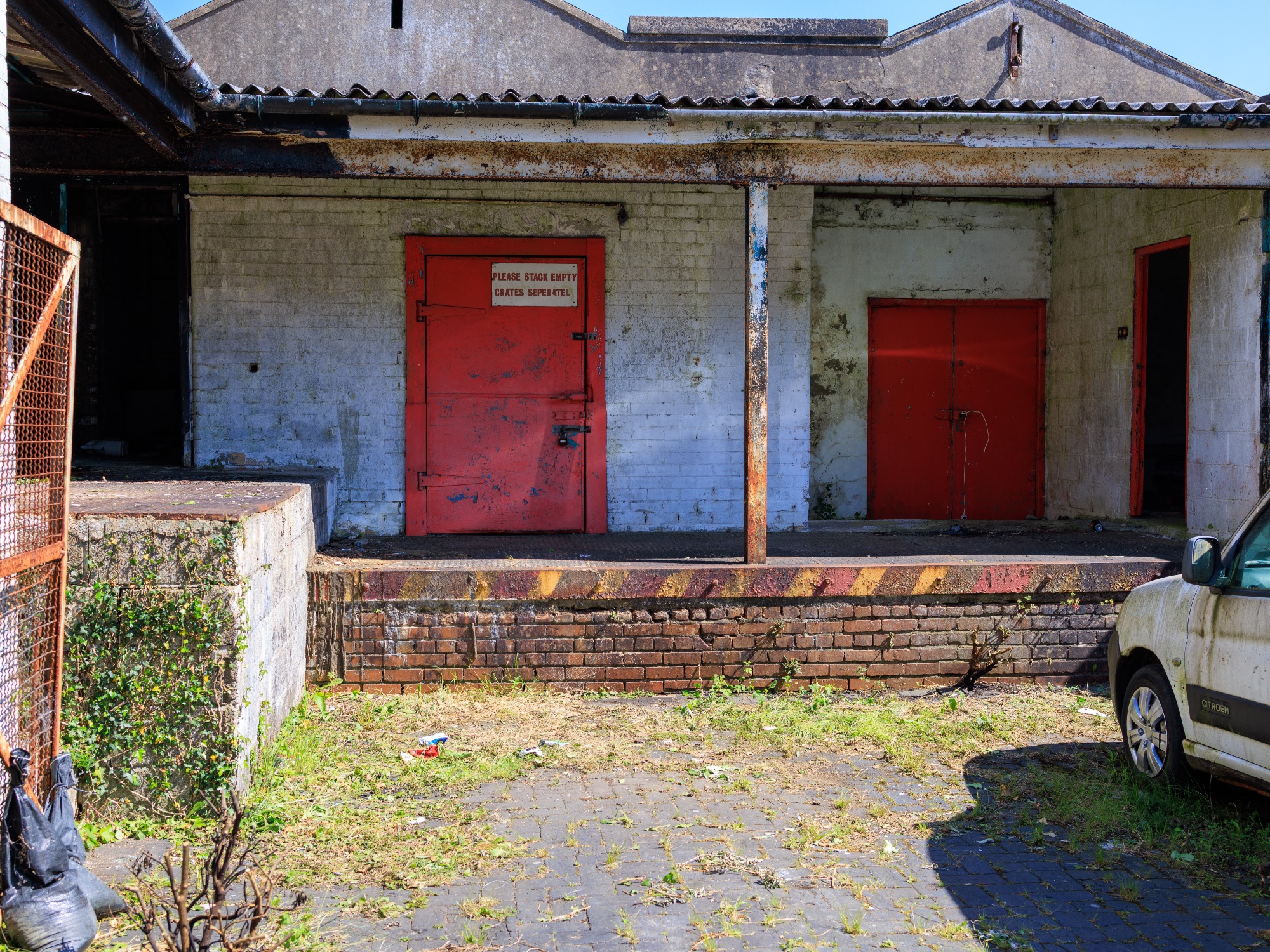
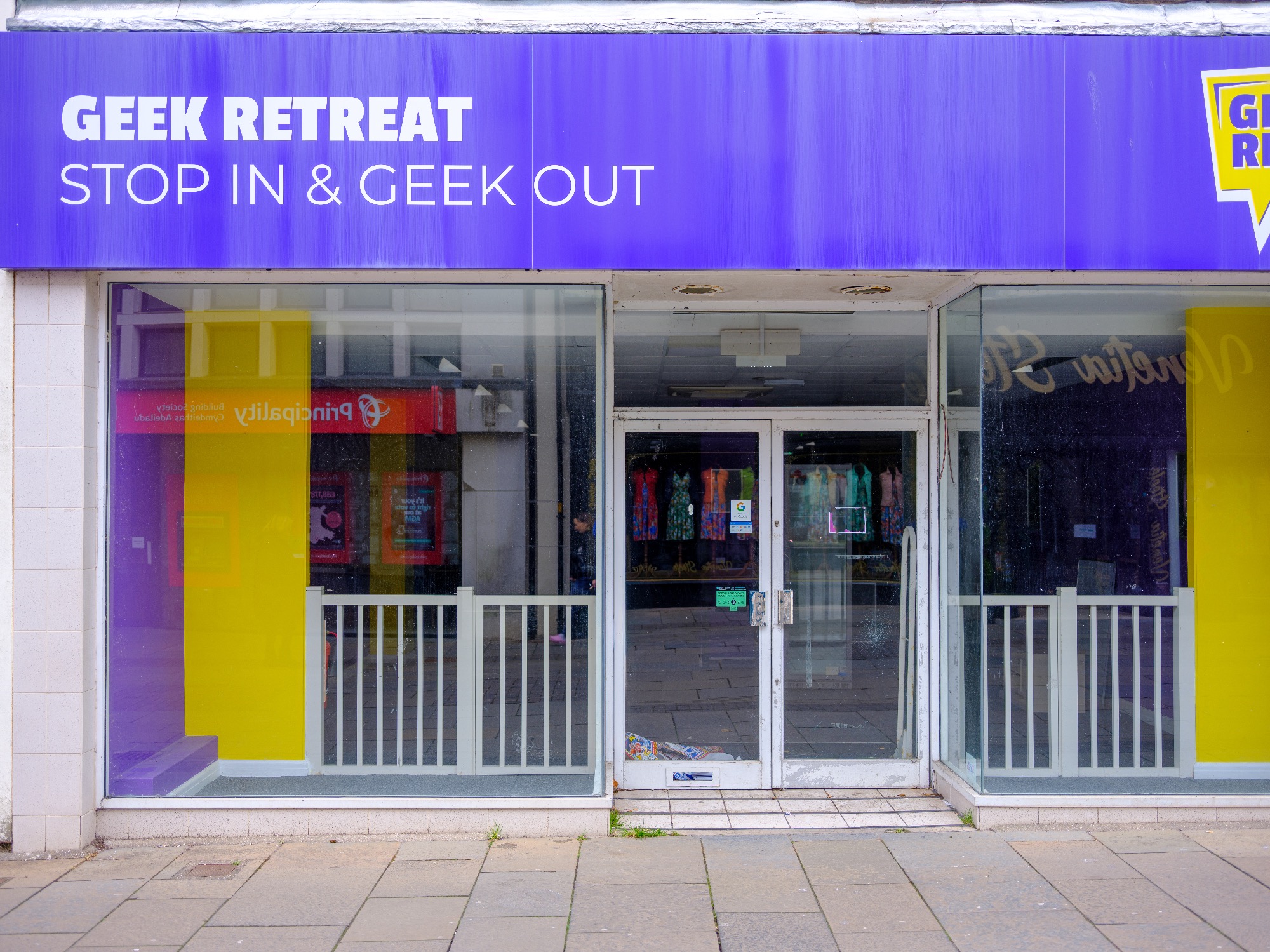
Ghost Town
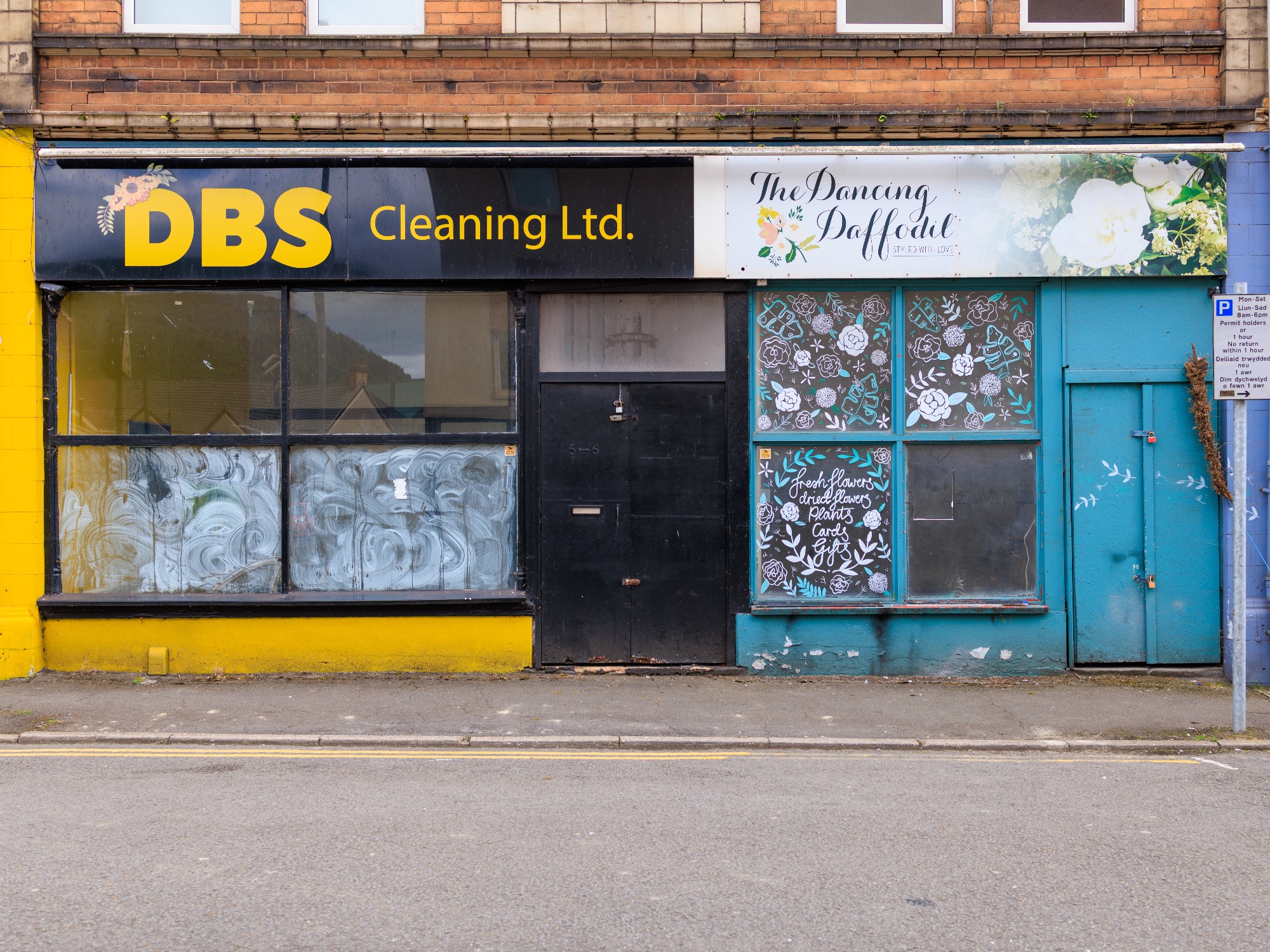
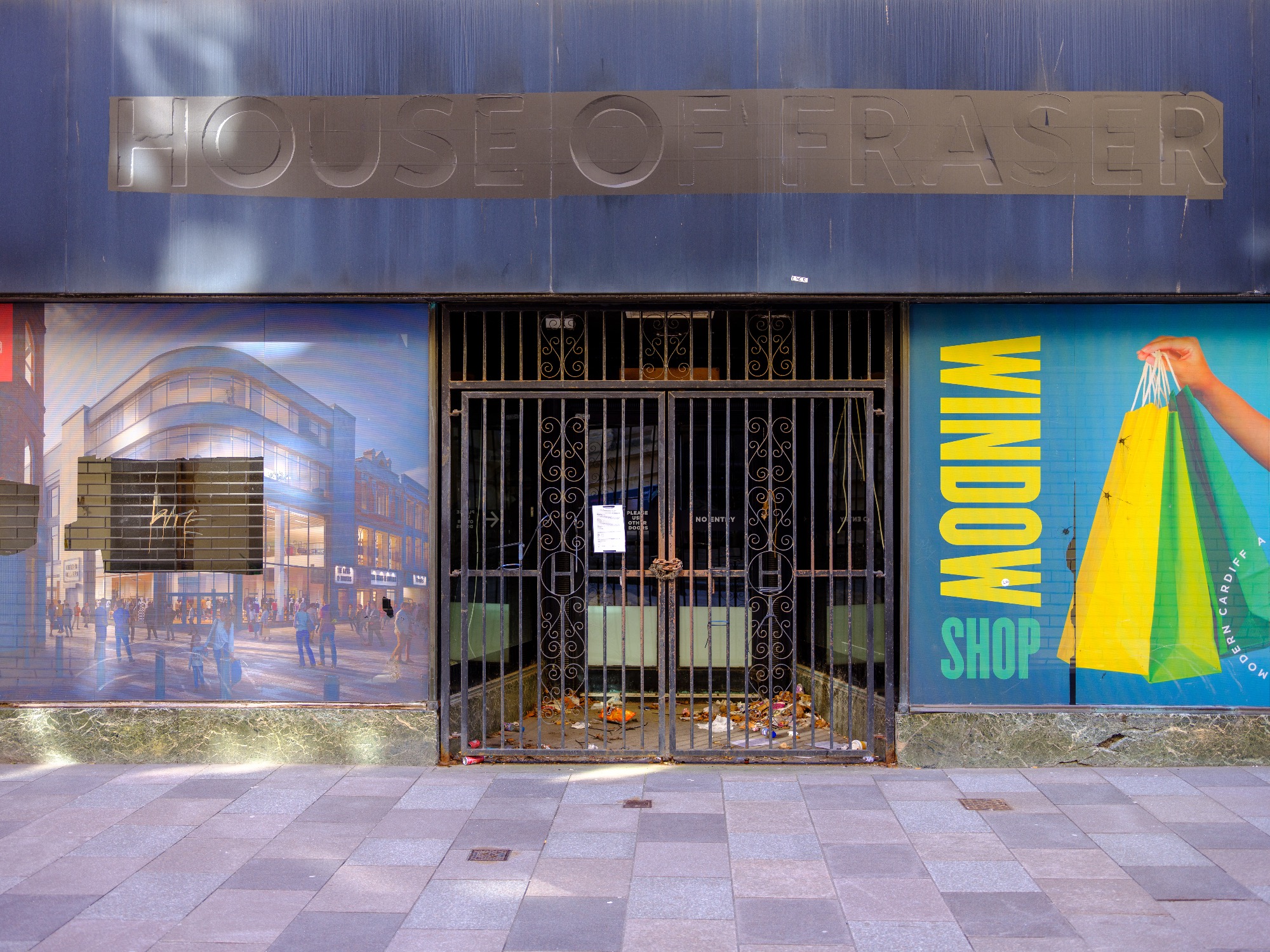
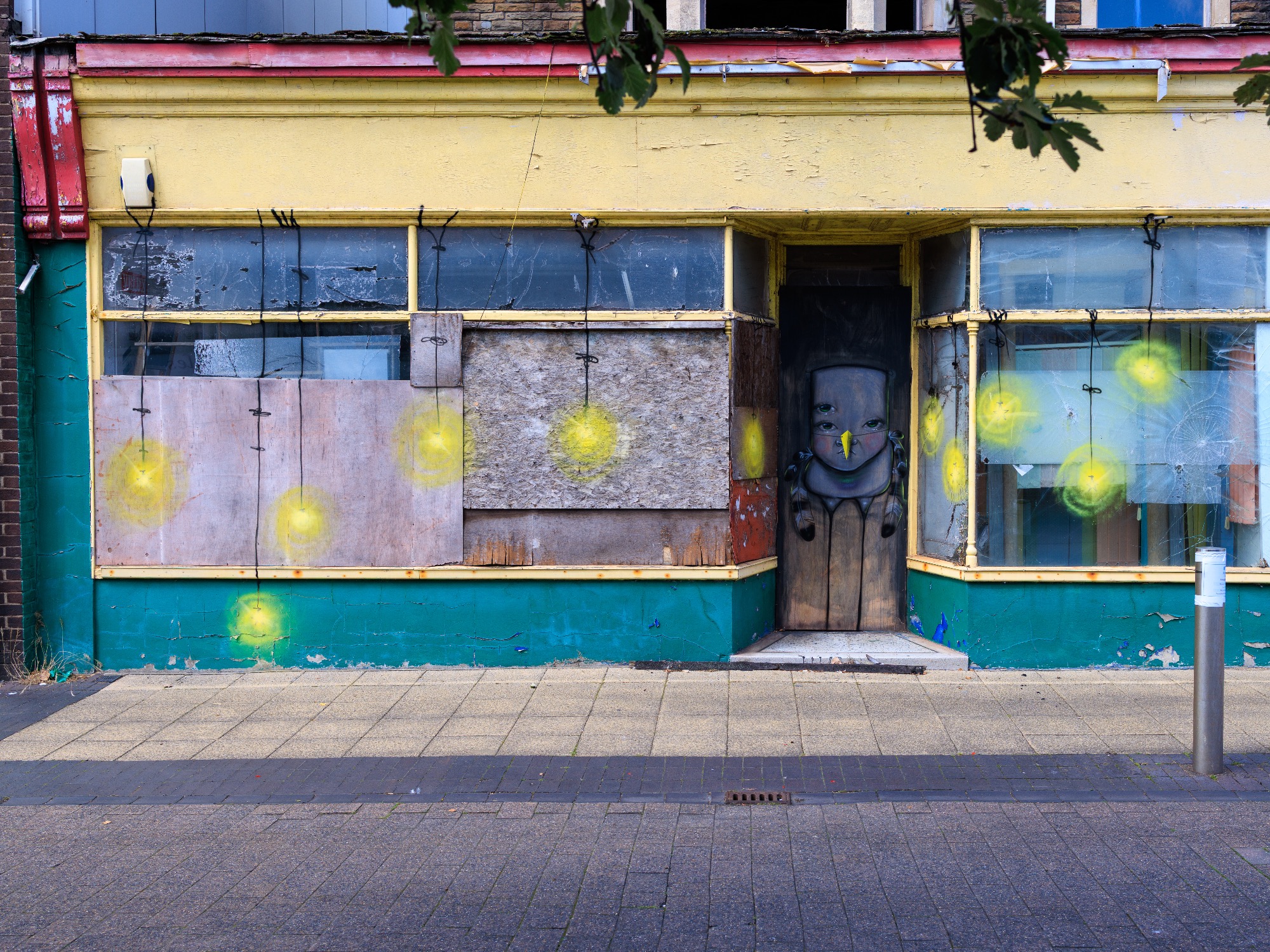
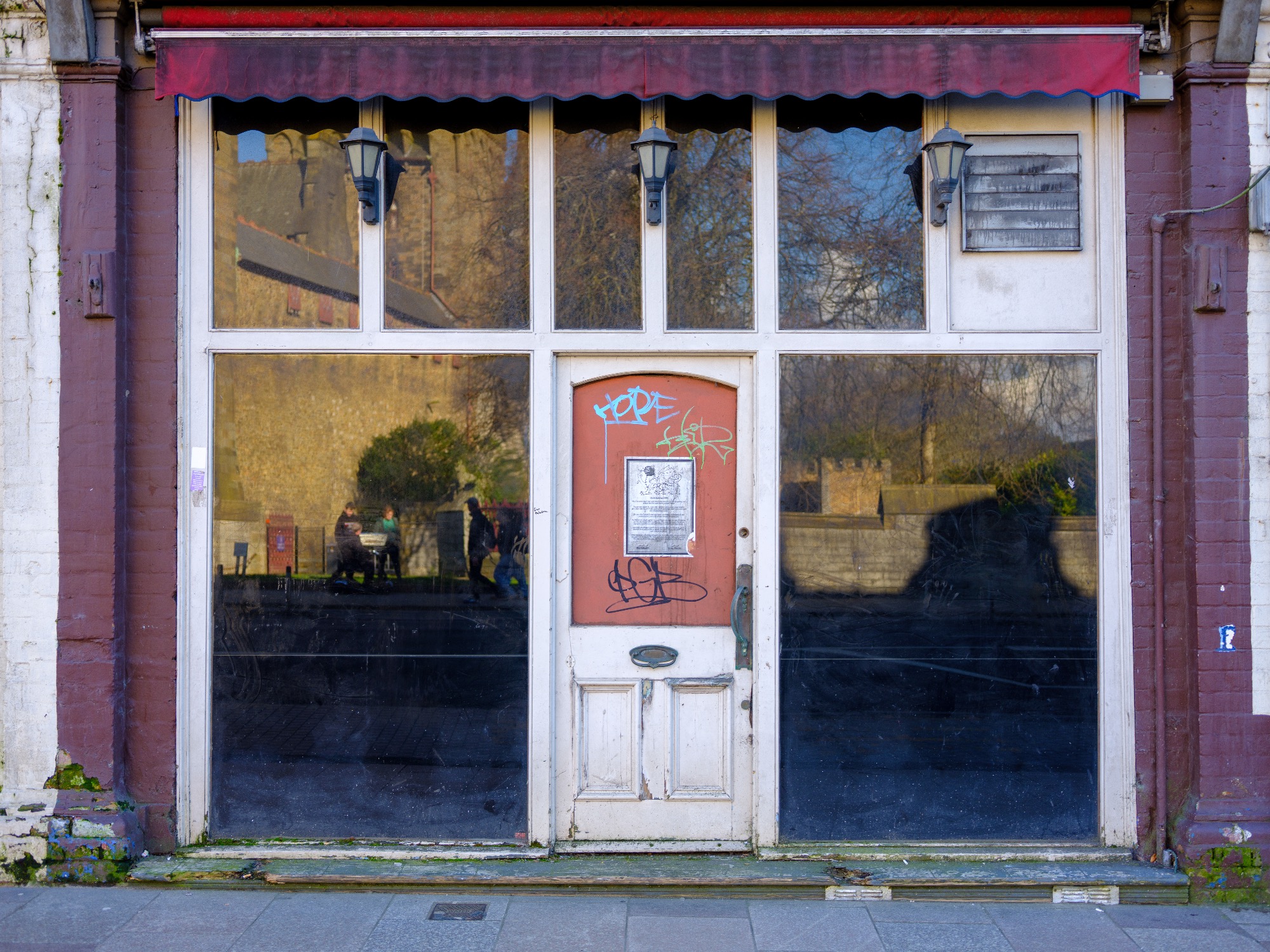
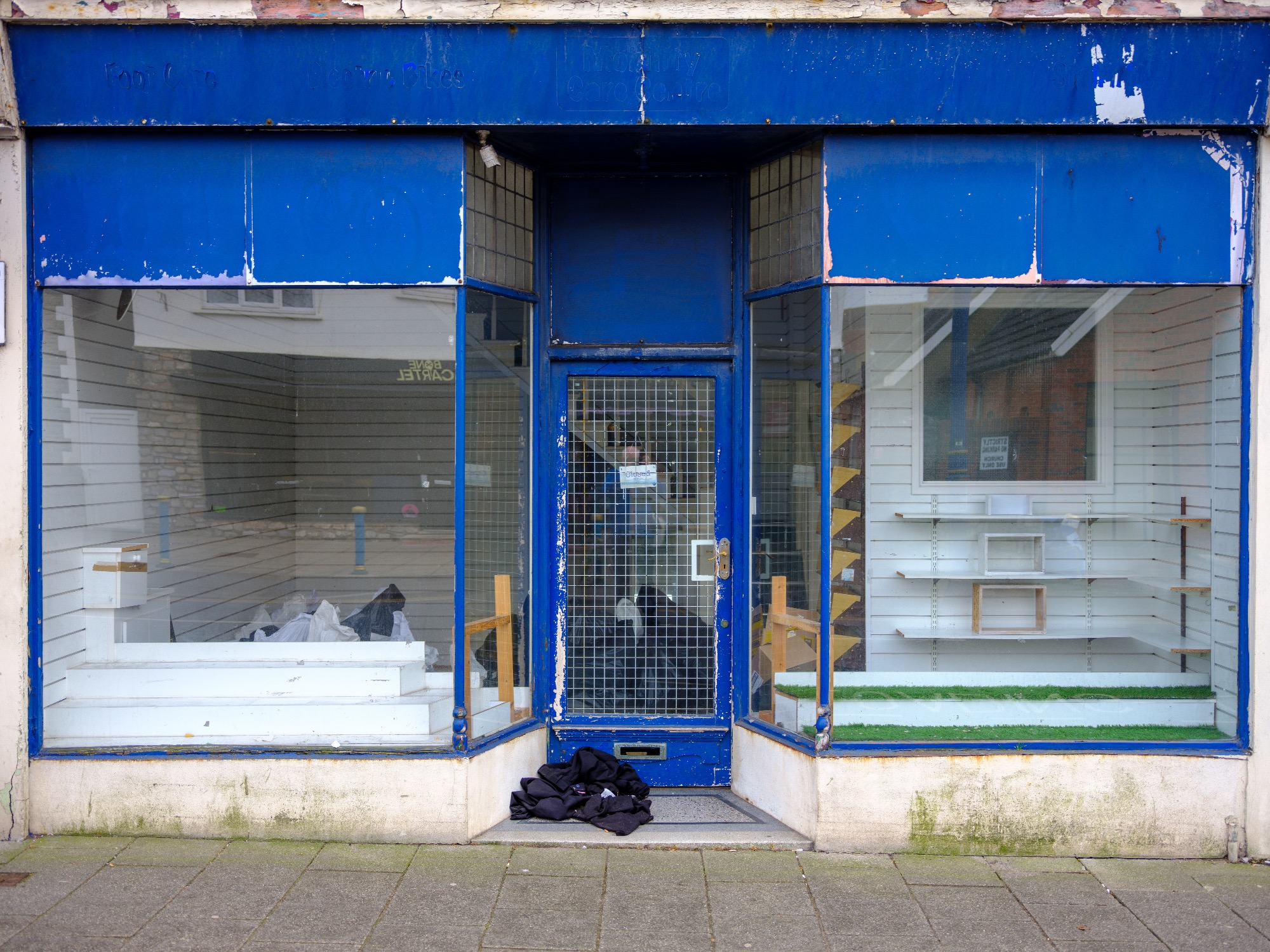
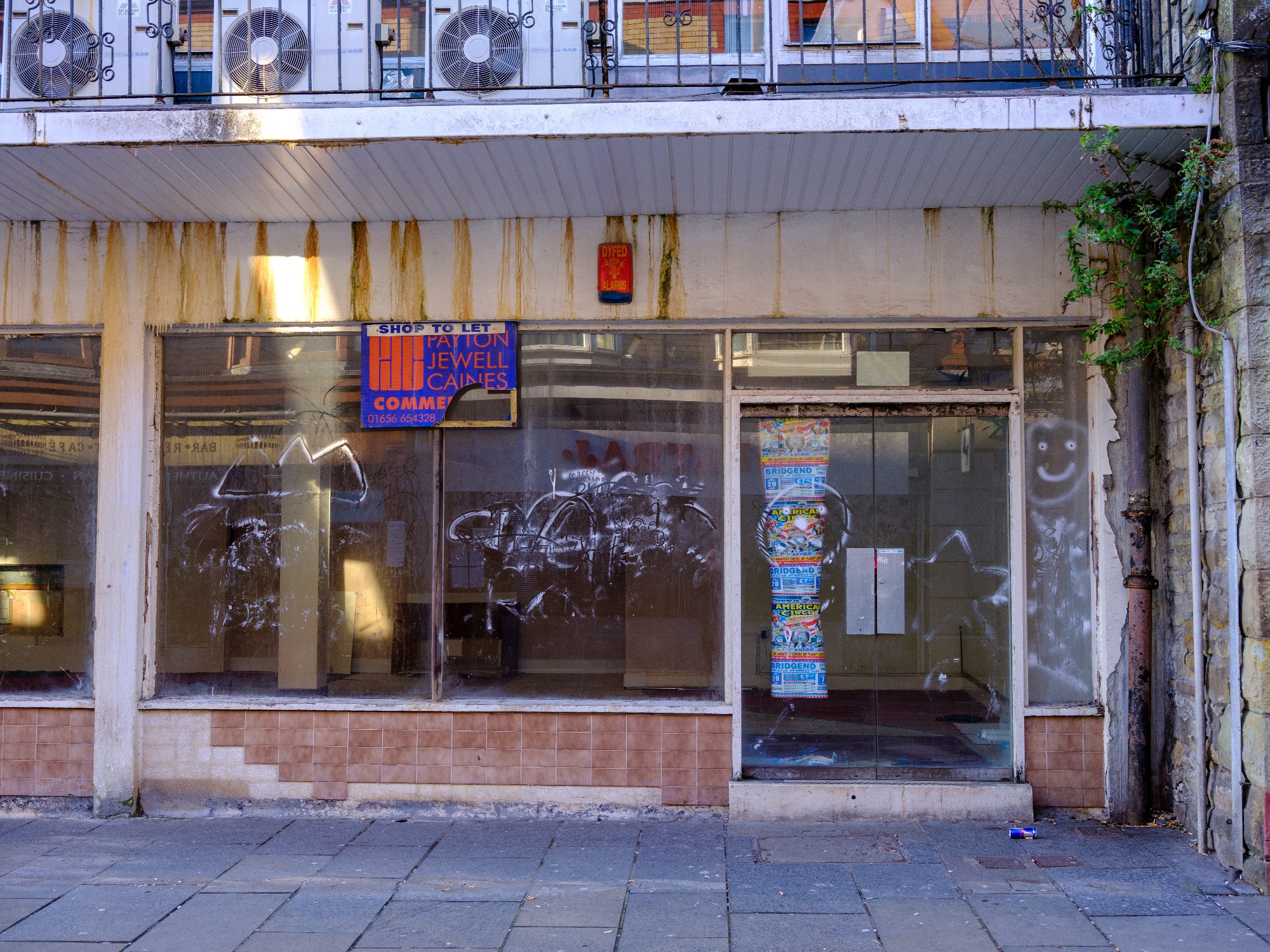
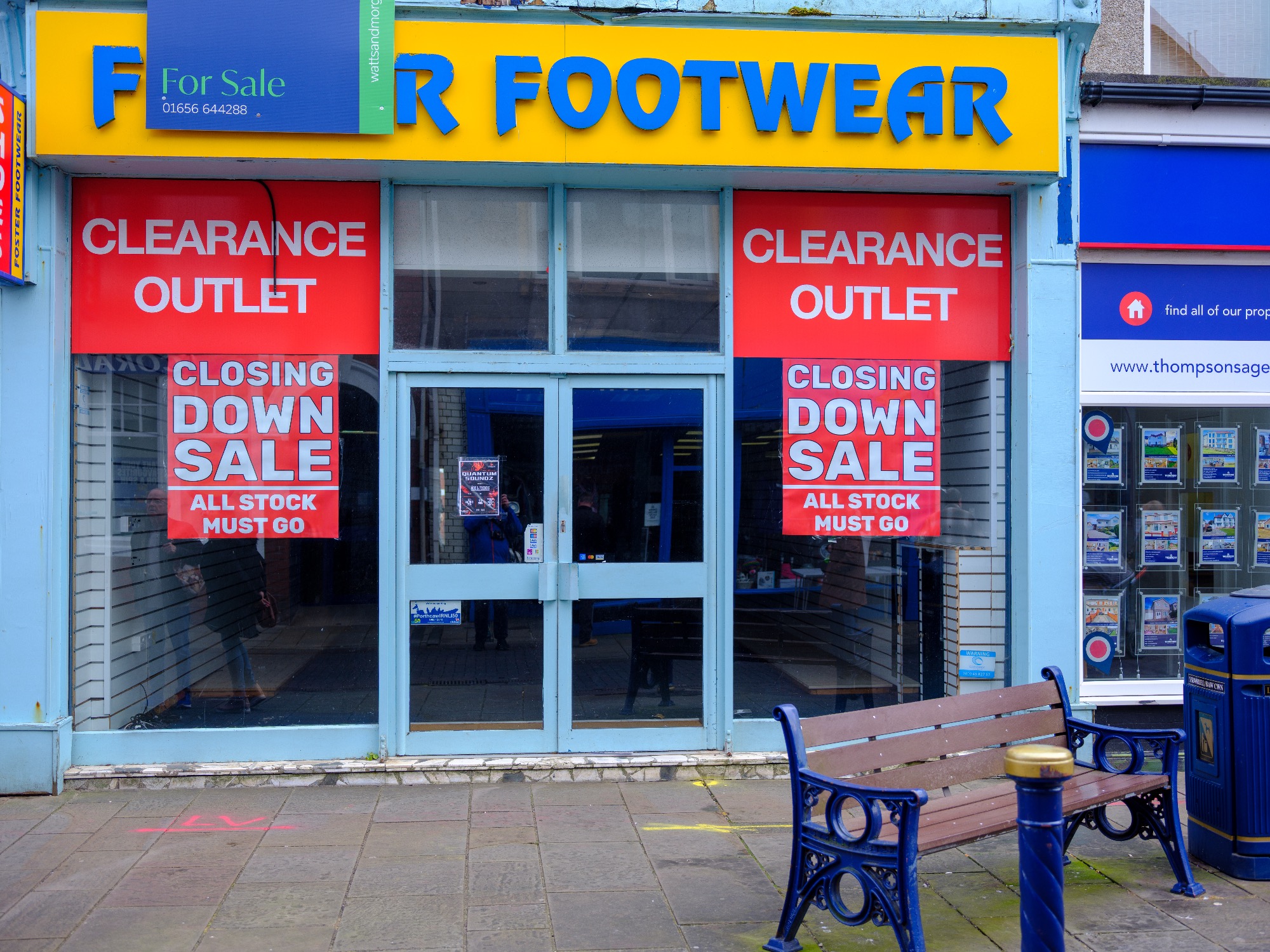
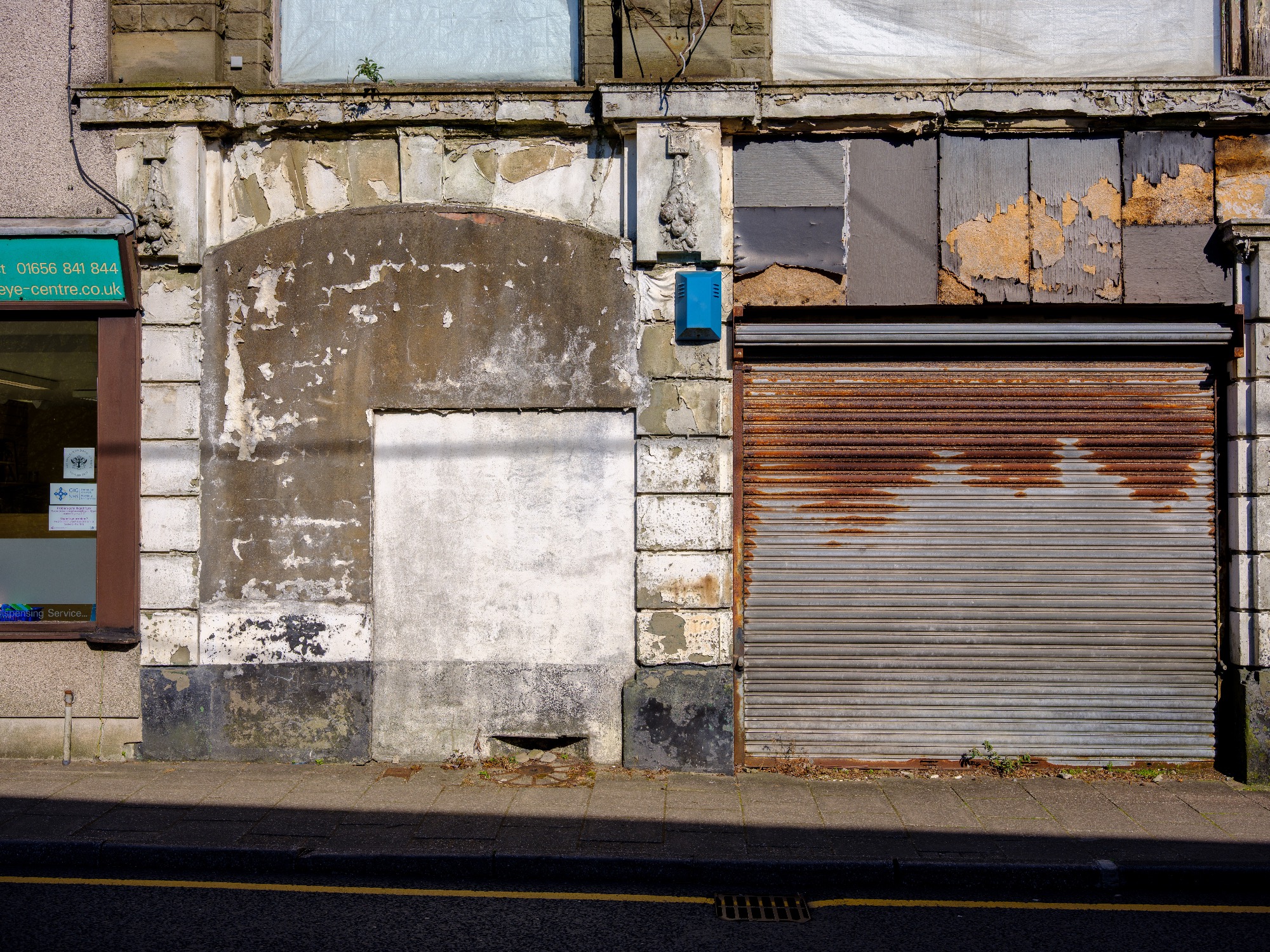
This series captures the varying states of decay in these once-essential premises, using photography to explore how the internet has reshaped commerce, rendered physical spaces redundant, and transformed the social fabric of our communities. The work raises urgent questions about the purpose of the modern town centre and what is lost when our interactions become increasingly virtual. Ghost Town is both a record and a reflection, an invitation to consider the cost of convenience and the quiet disappearance of shared public life.
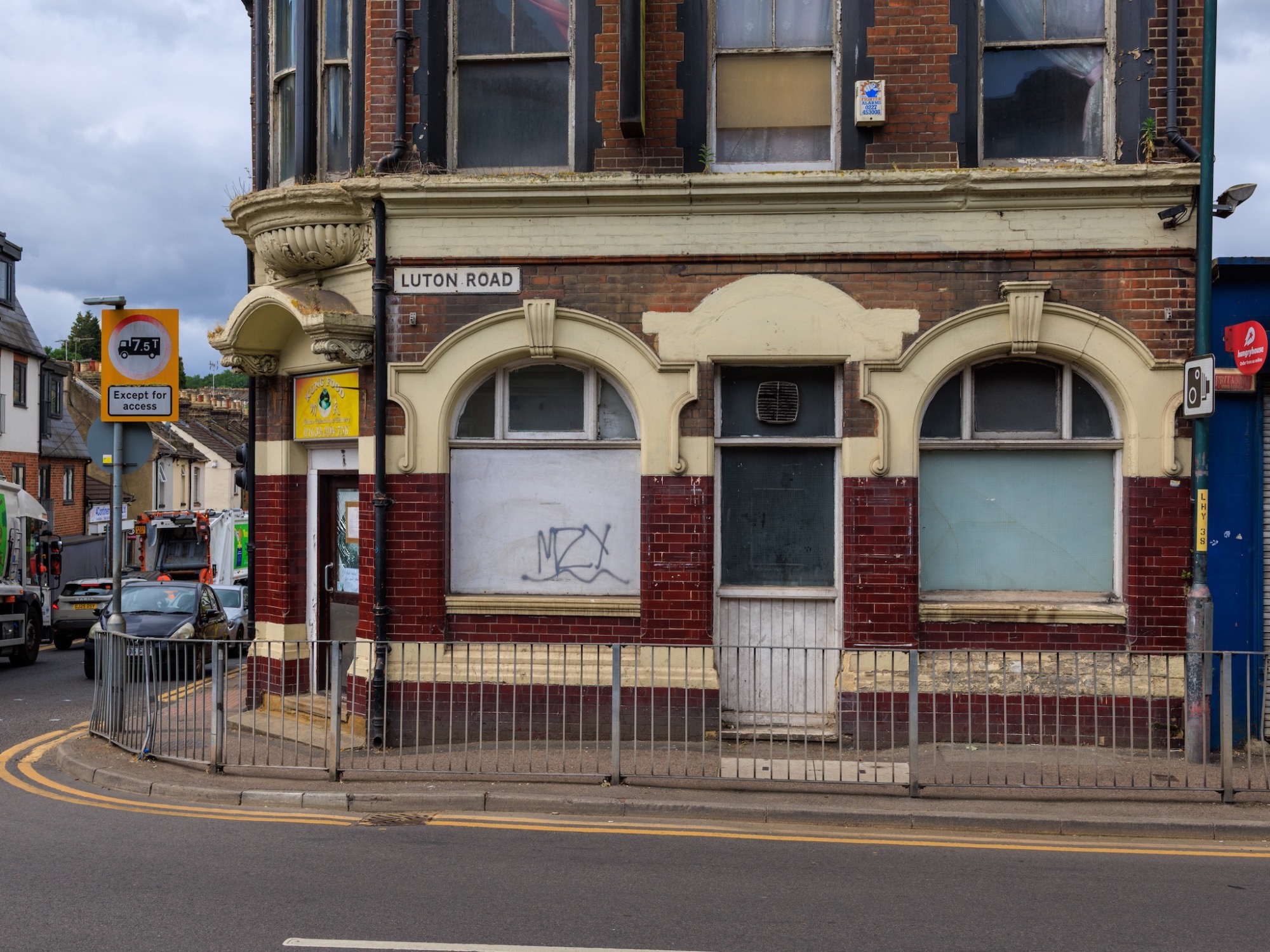
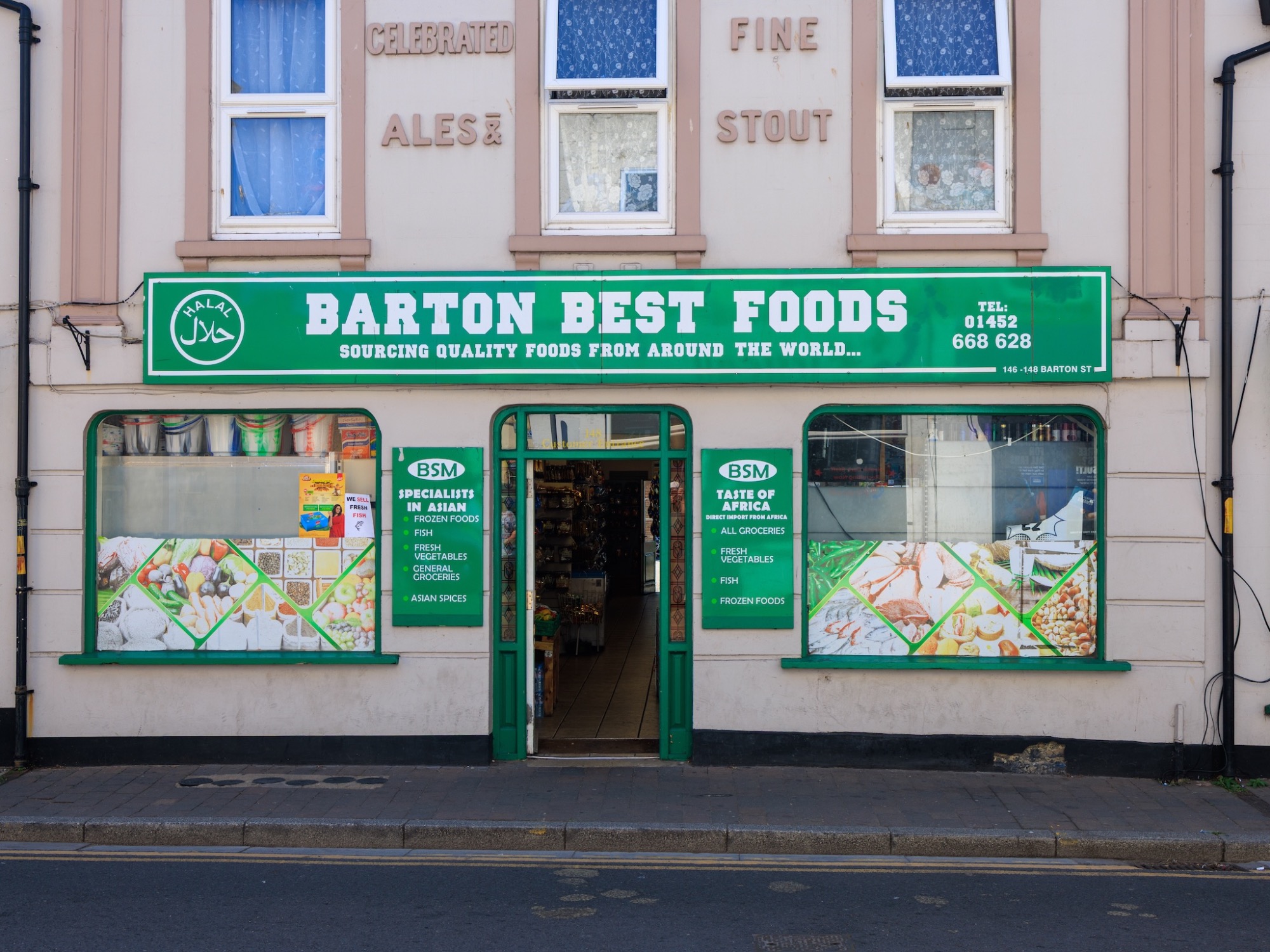
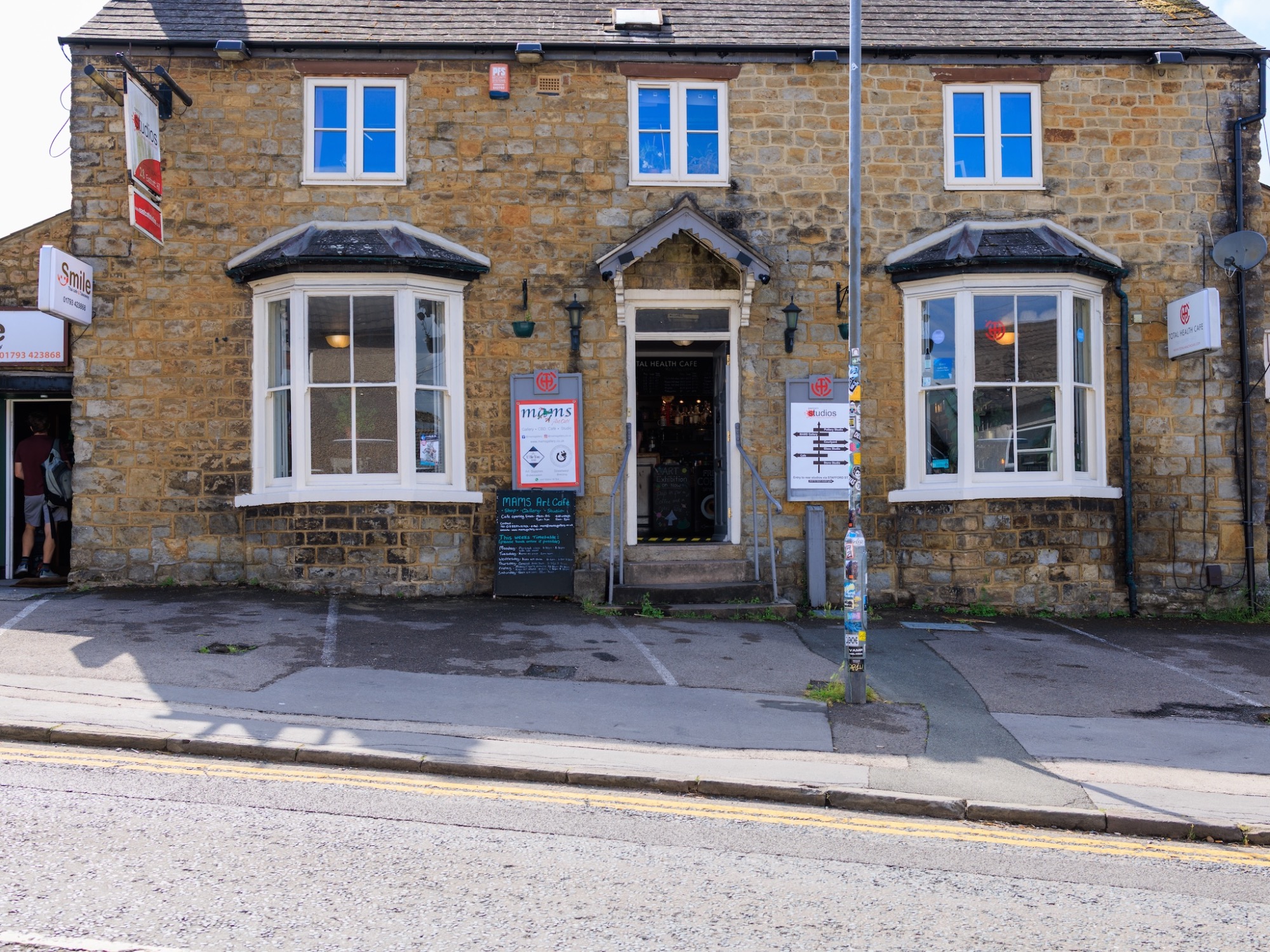
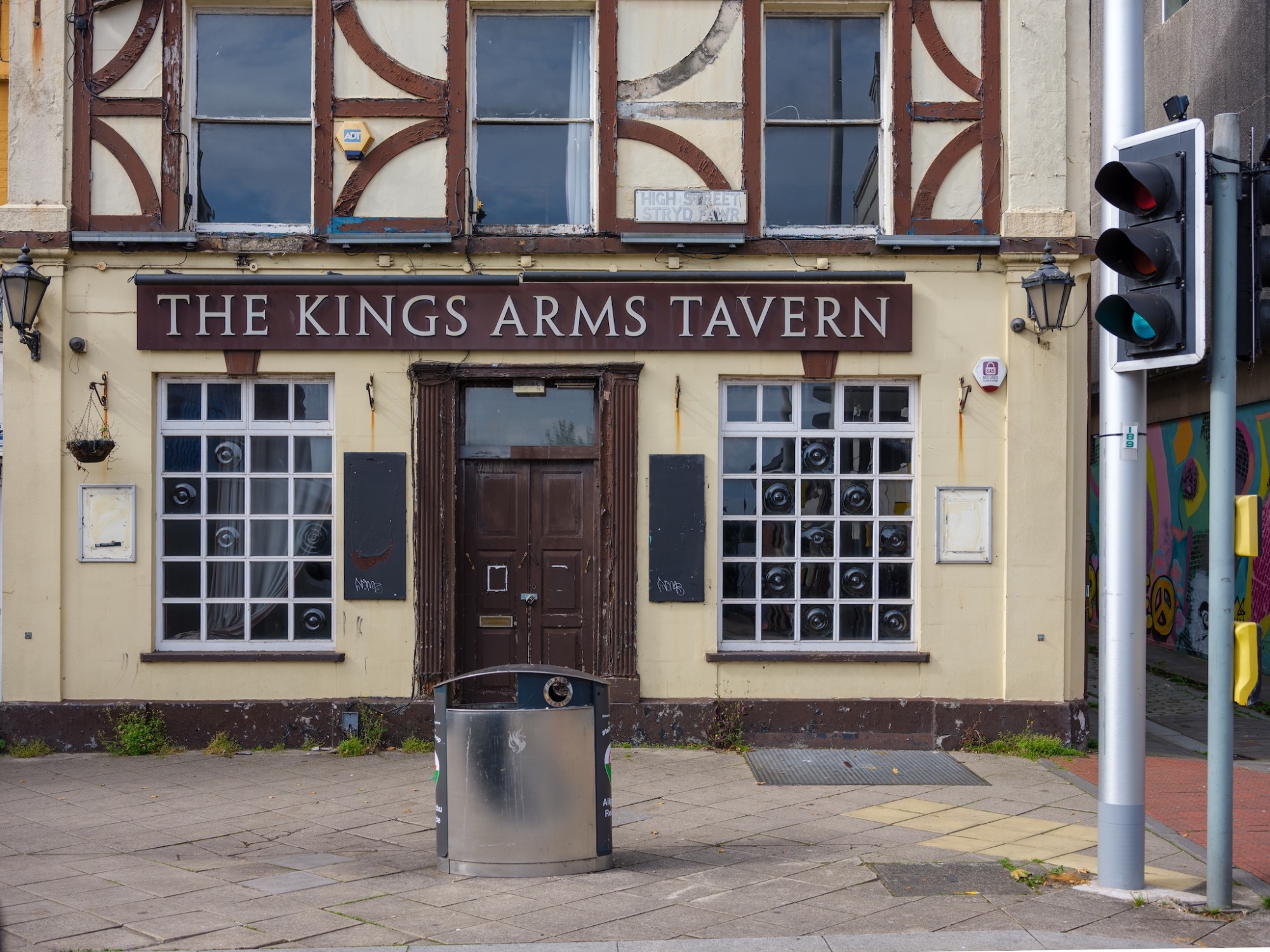
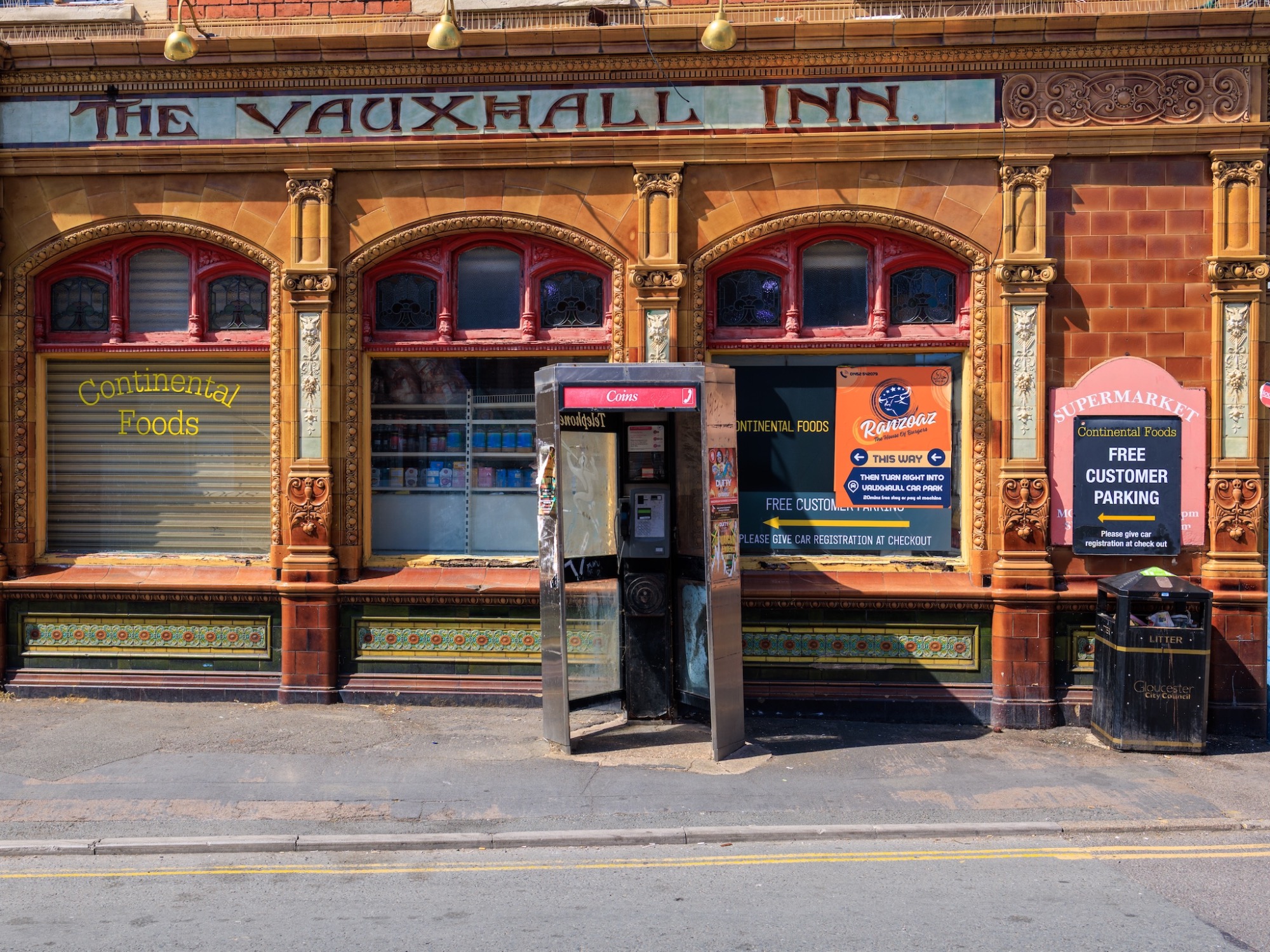
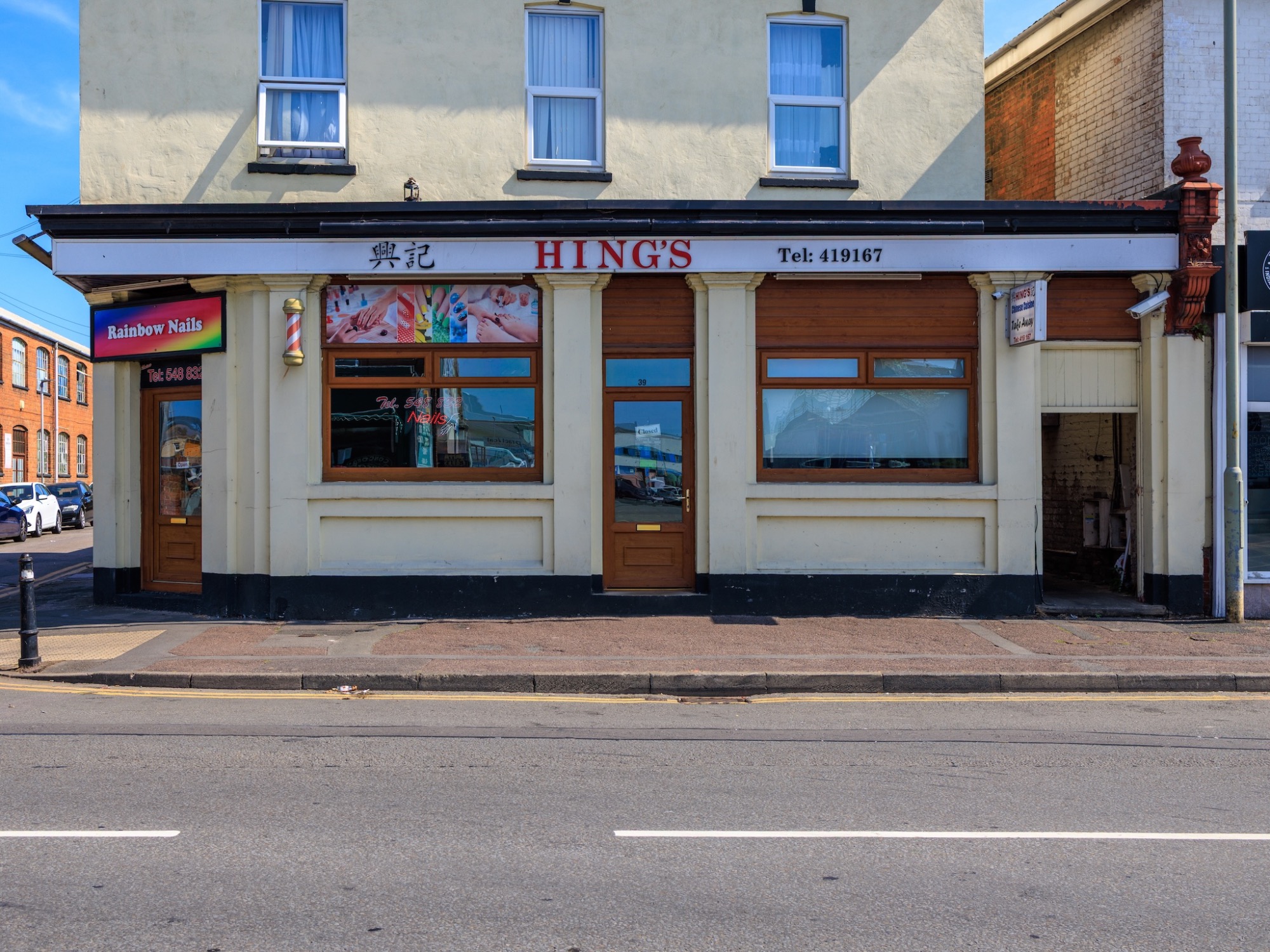
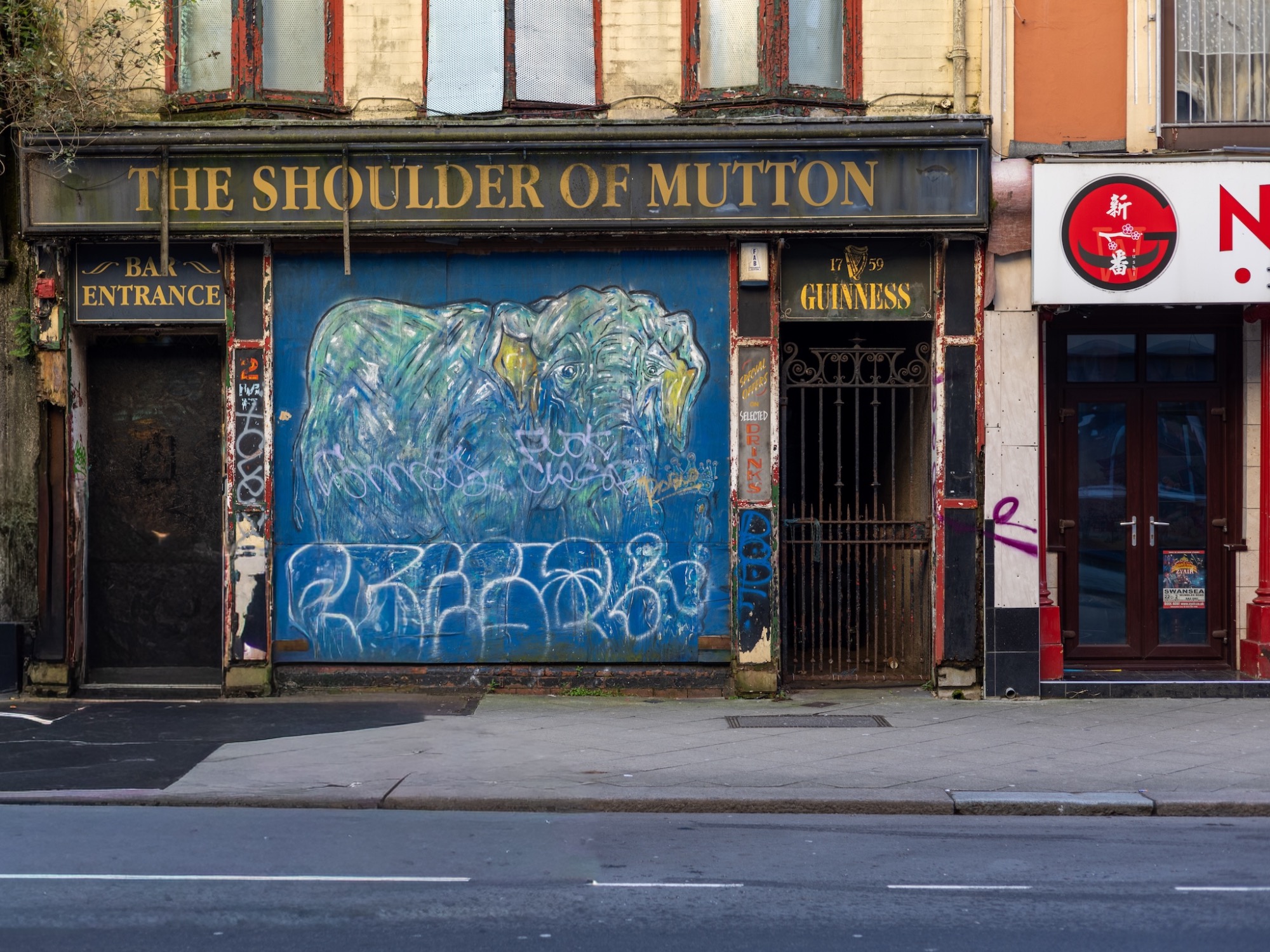
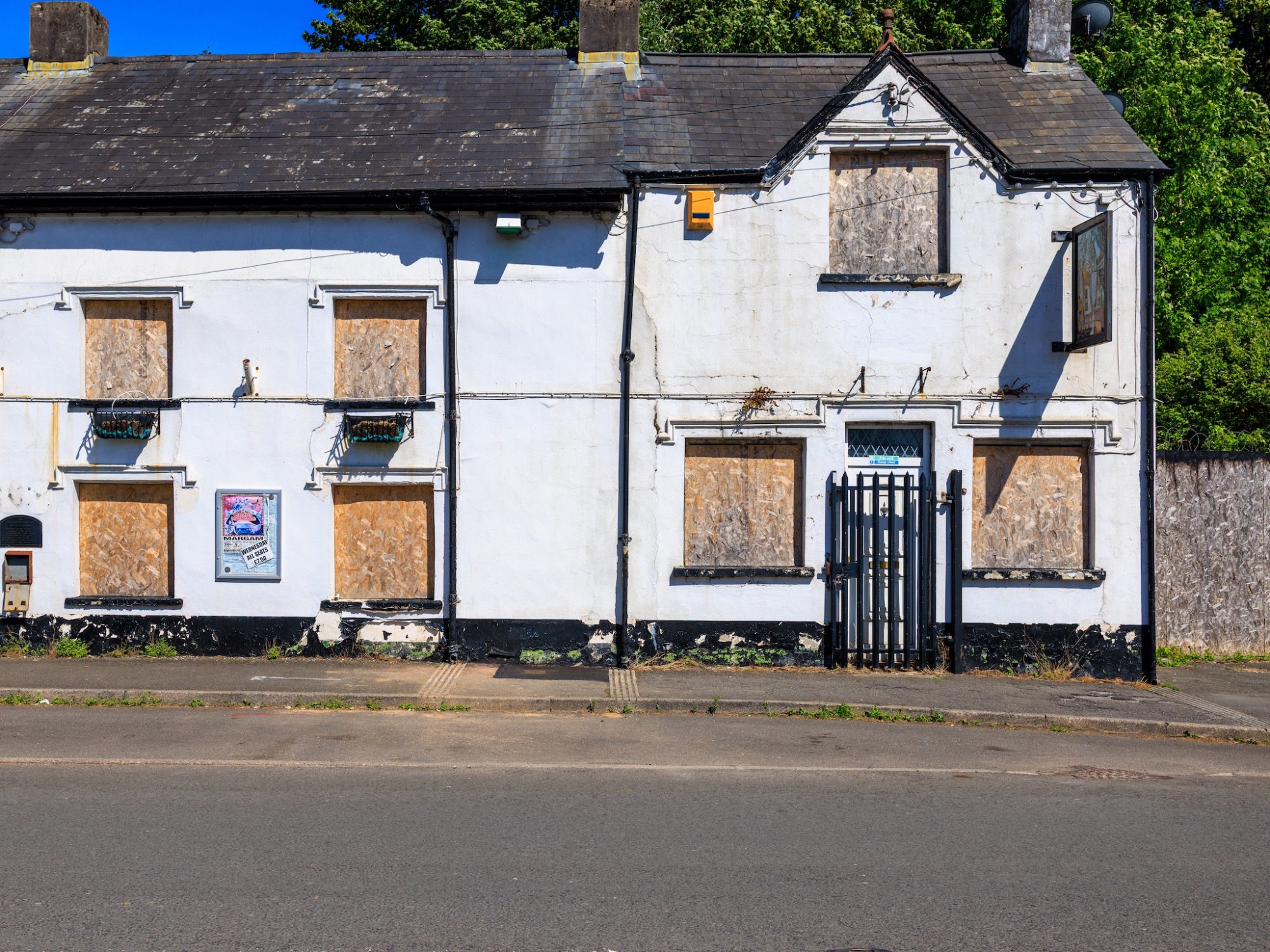
Last Orders
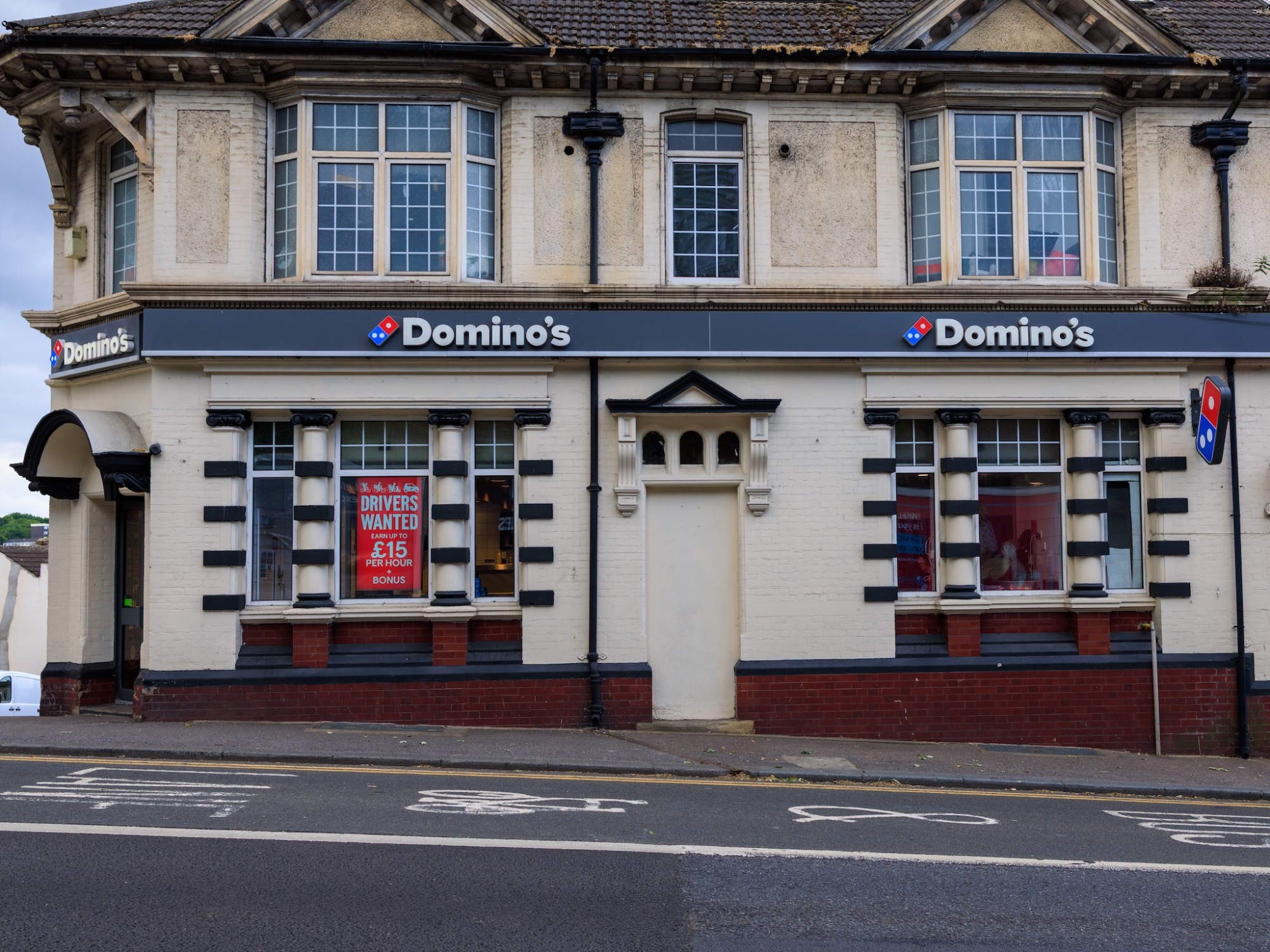
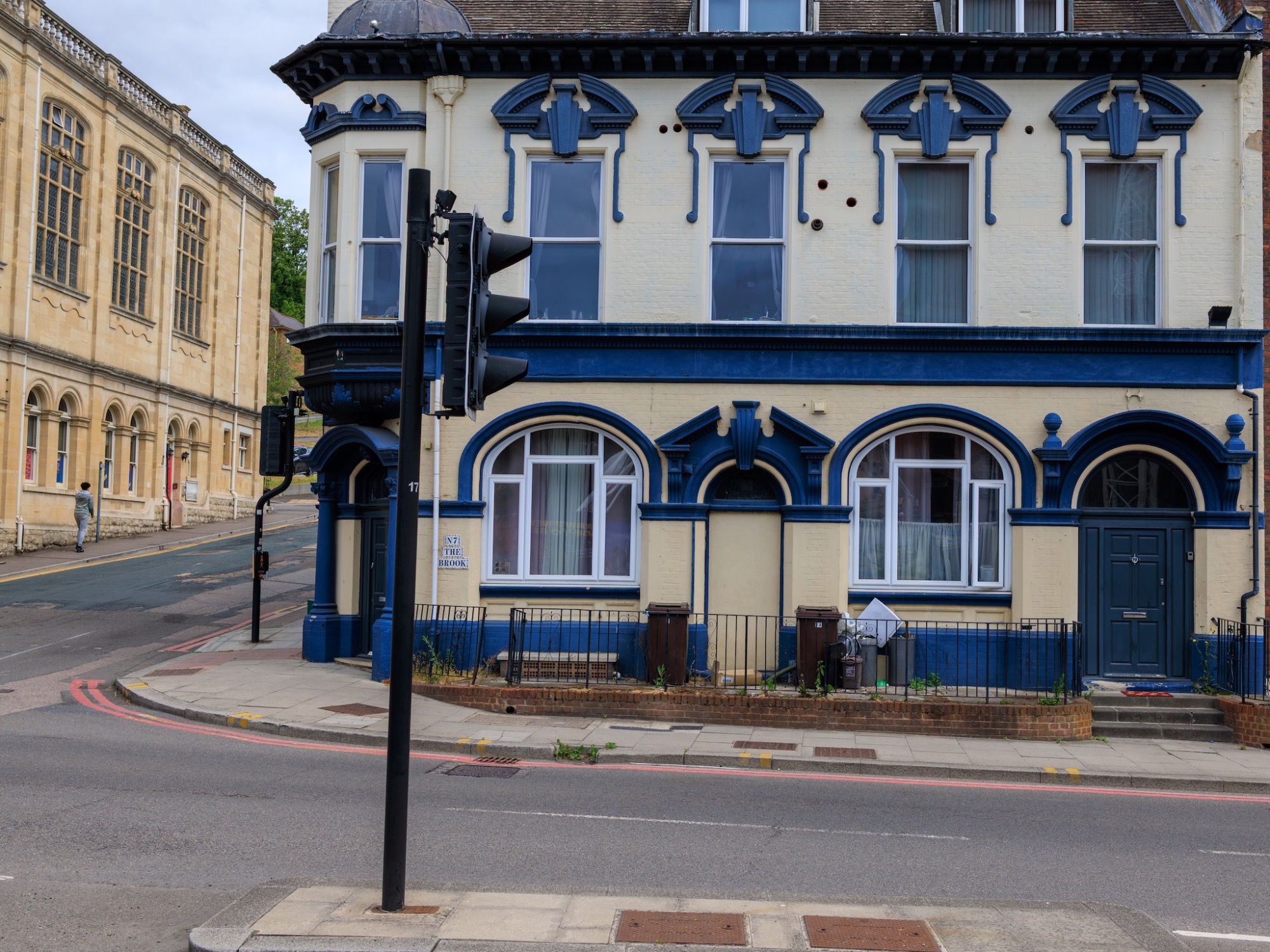
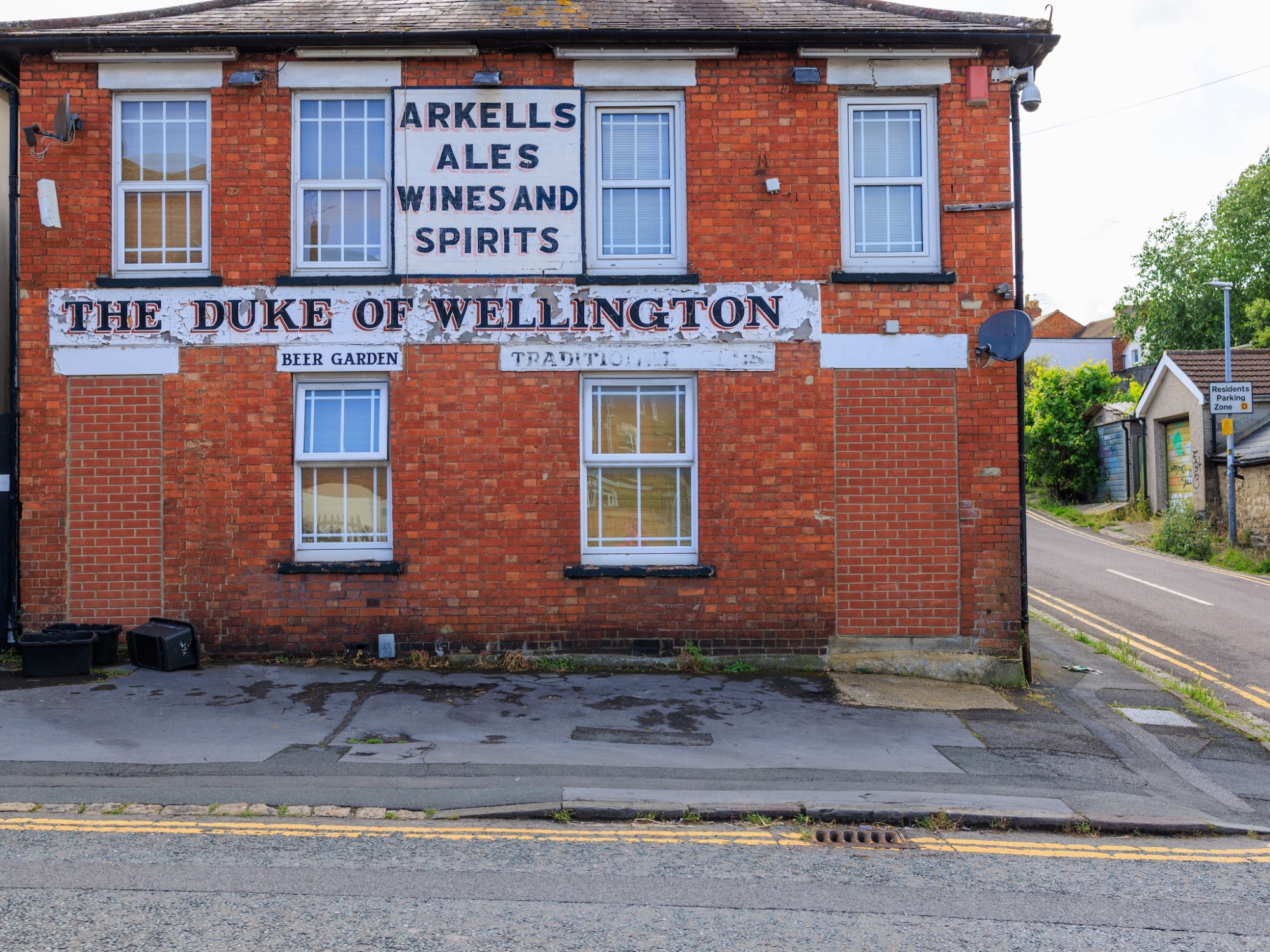
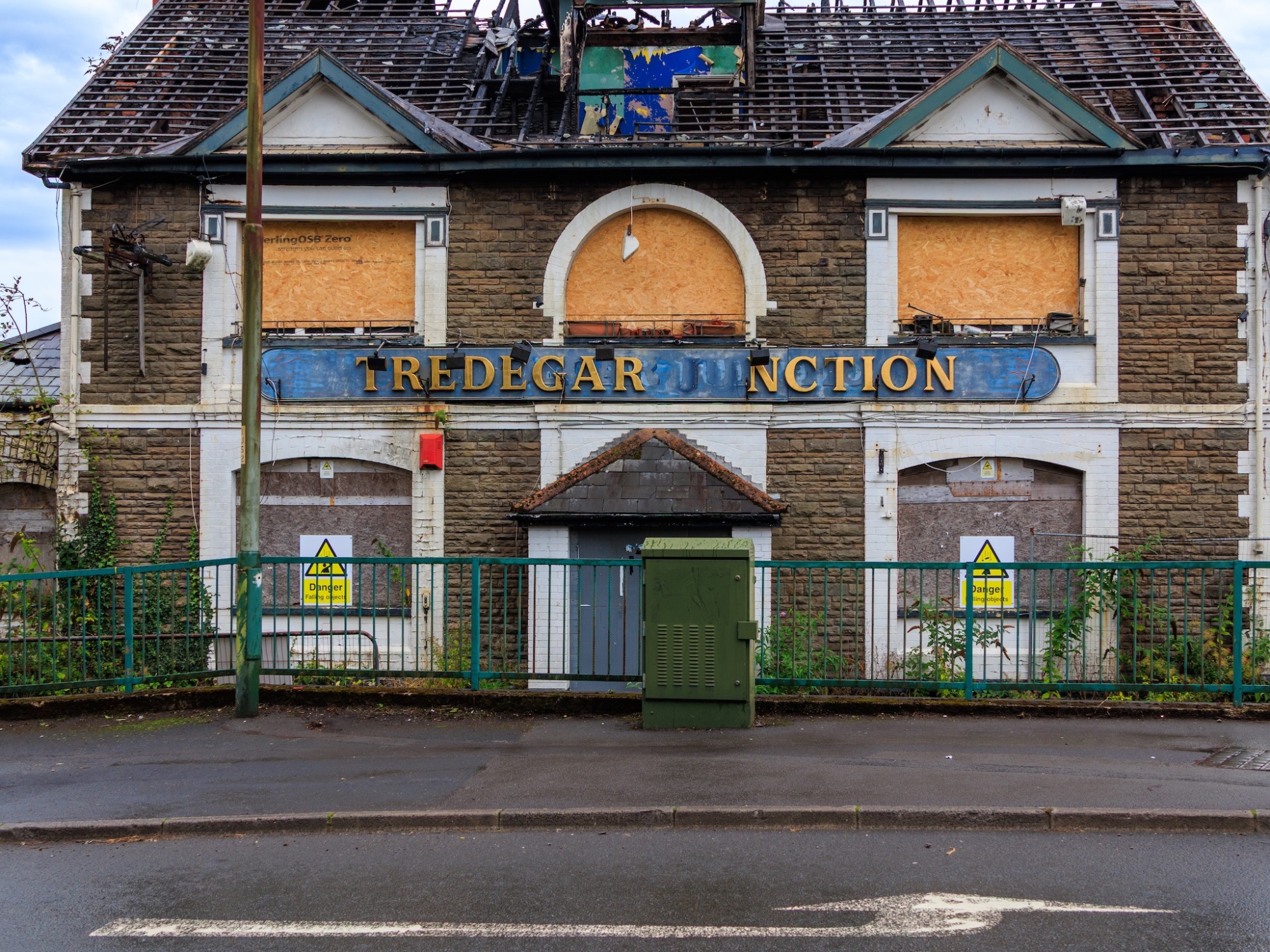
Last Orders is a photographic exploration of the disappearance and transformation of one of Britain’s most enduring social institutions. Once the beating heart of communities, pubs were places of gathering, storytelling, celebration, and solace. Today, many stand abandoned, converted into housing, supermarkets, or offices, silent witnesses to a profound cultural shift.
Last Orders is both elegy and inquiry: a record of what has vanished, and a question of what replaces it. In capturing these spaces, the work invites viewers to consider the social cost of their disappearance and to reflect on how communities reinvent themselves when their traditional meeting places fade into memory.
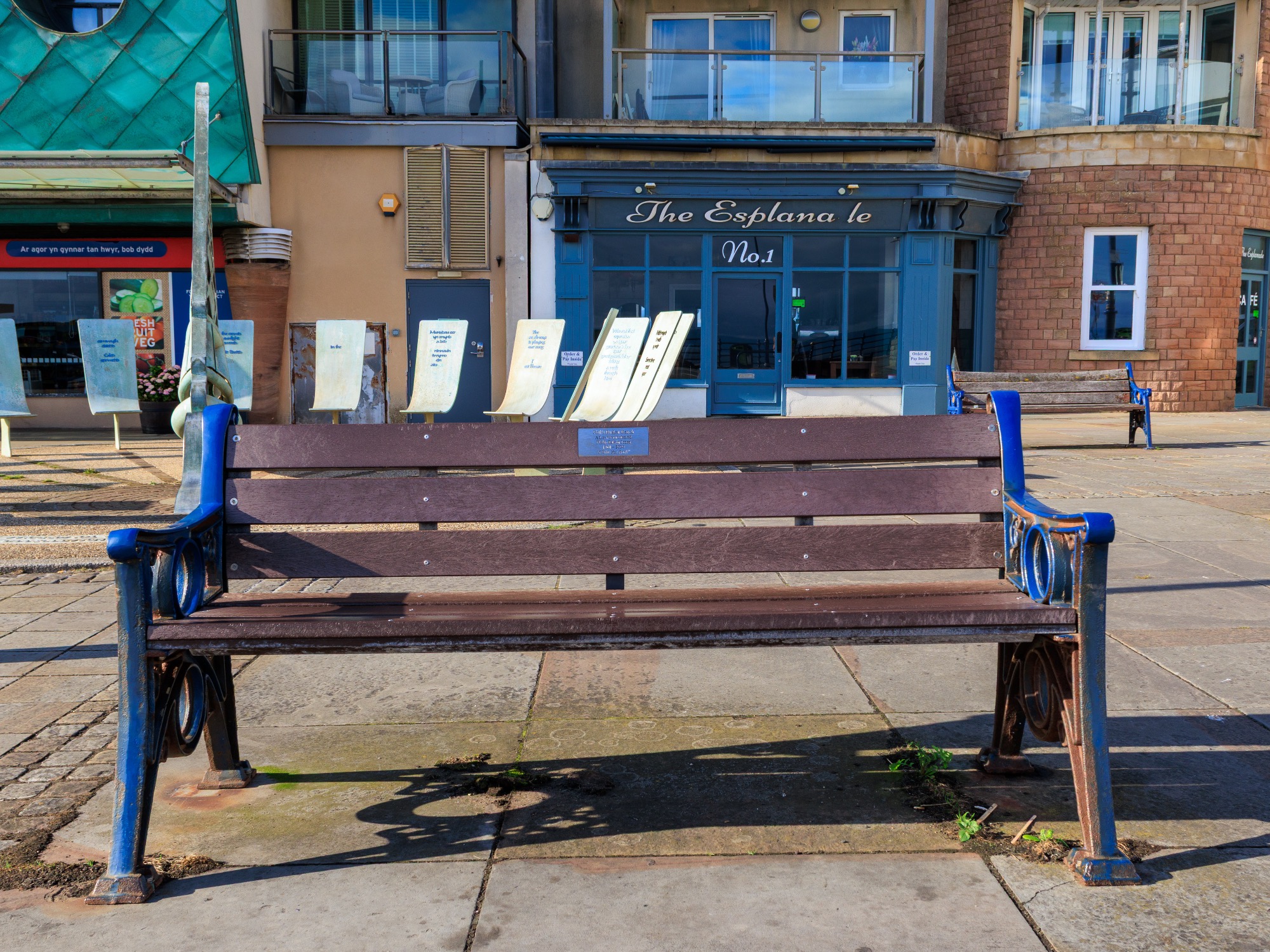
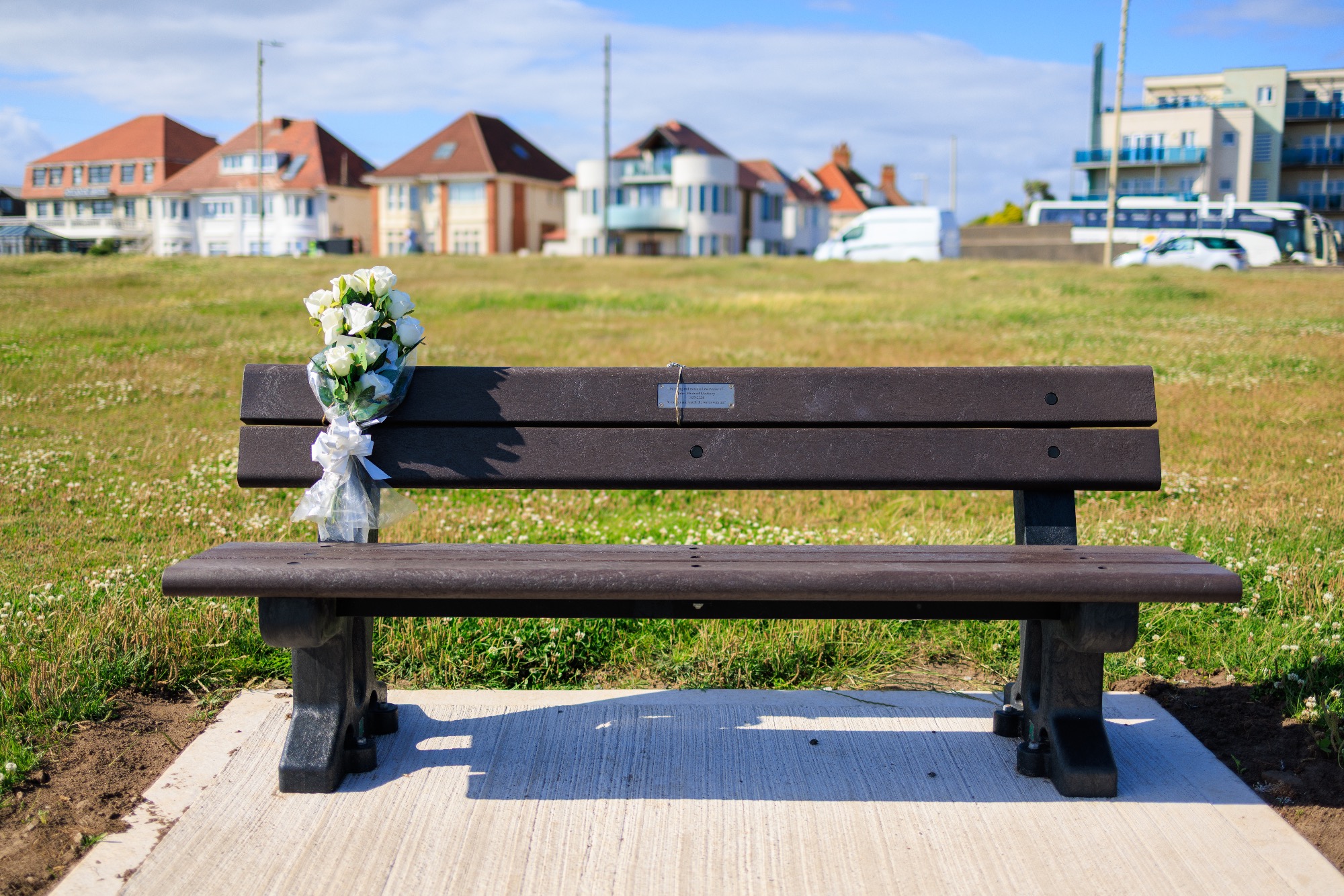
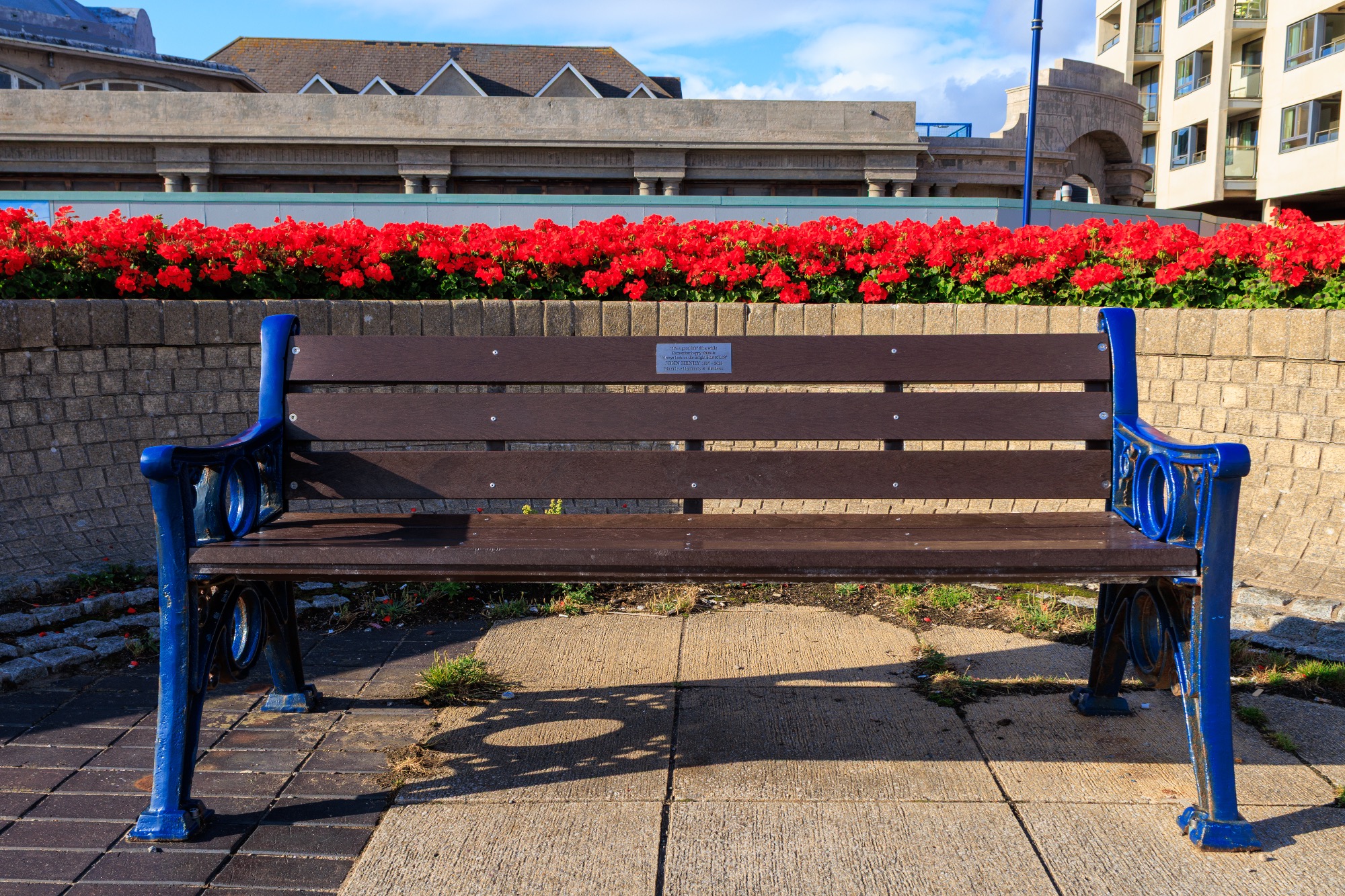
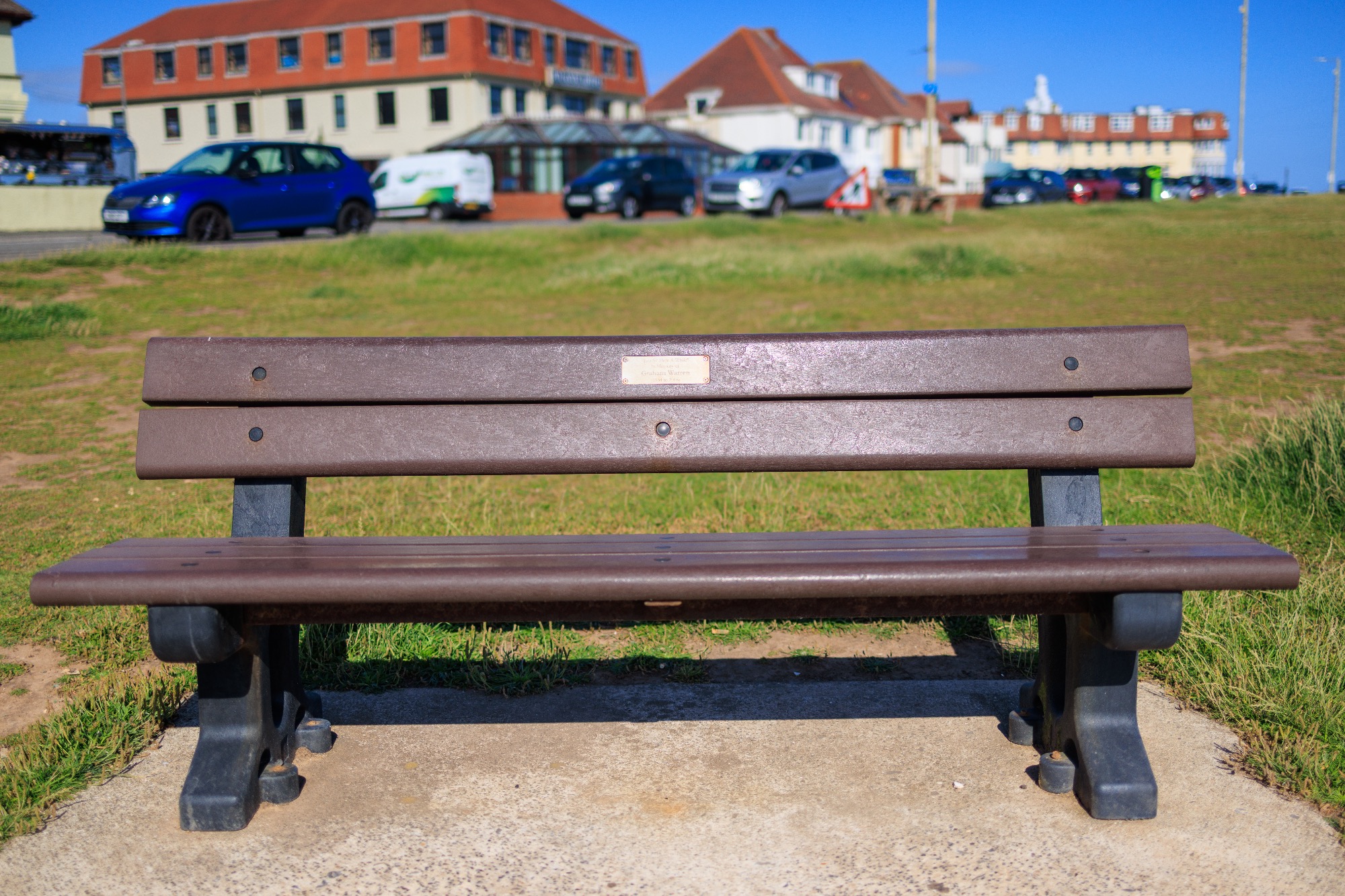
Sit Here and smile
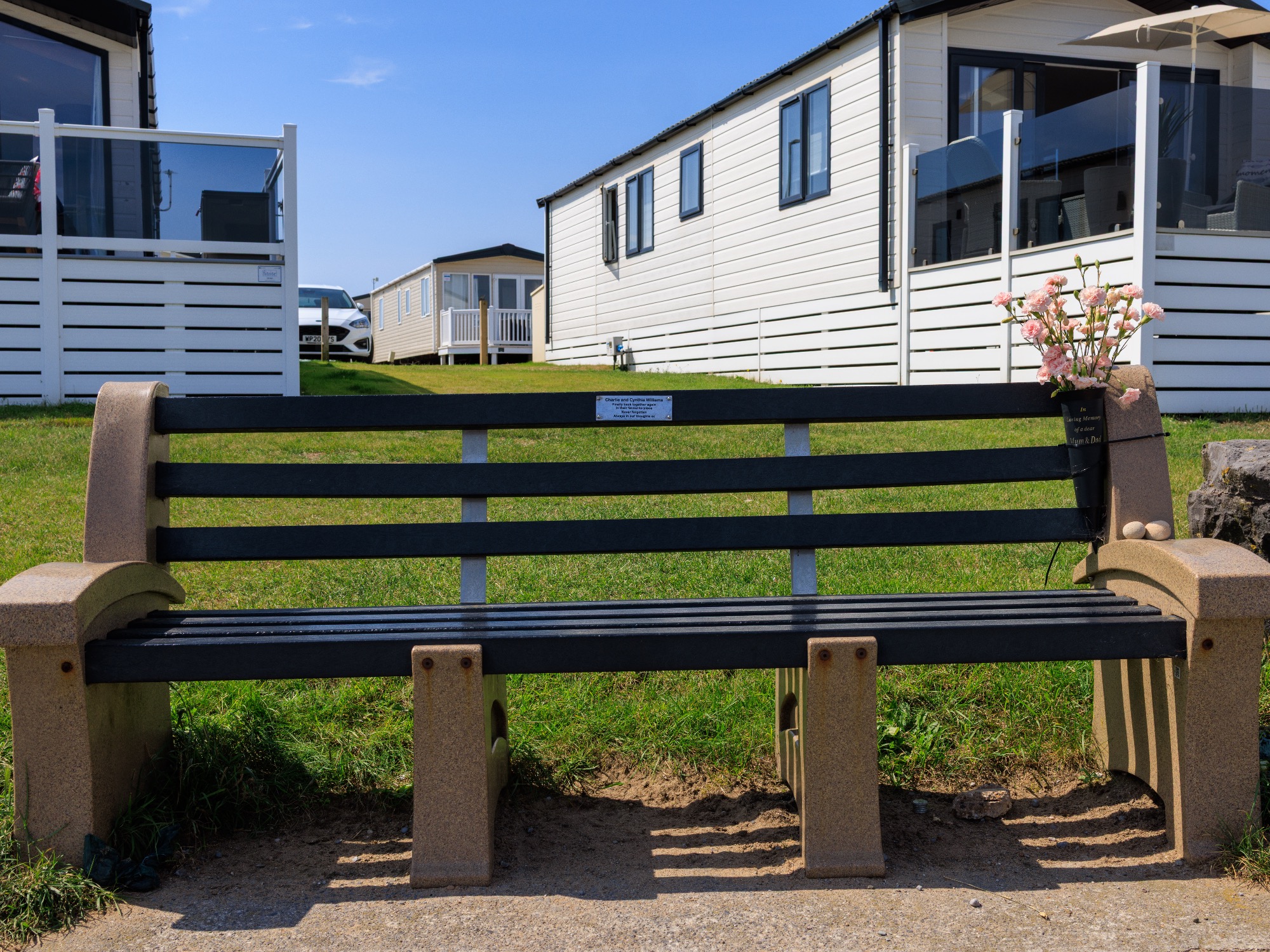
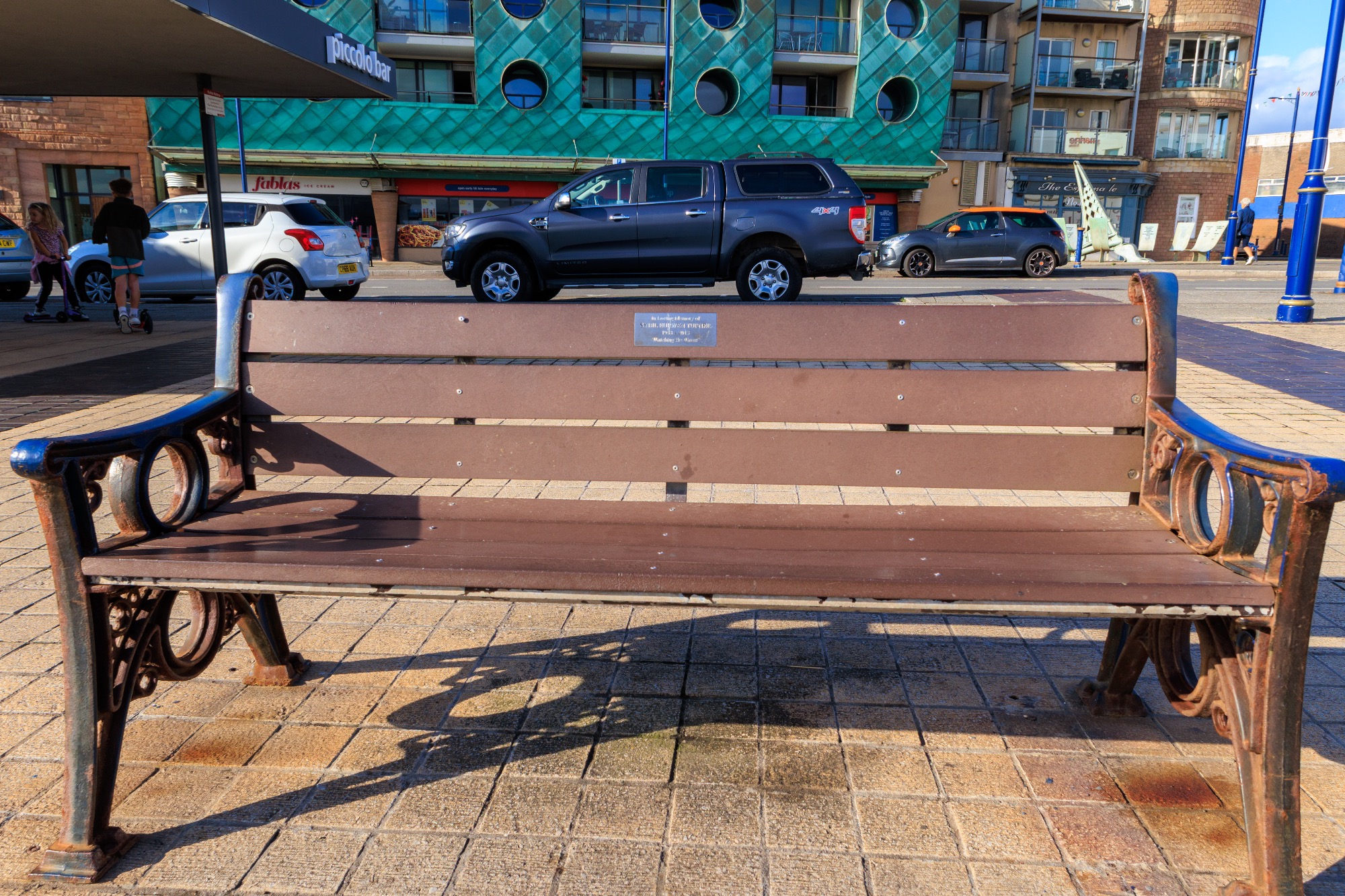
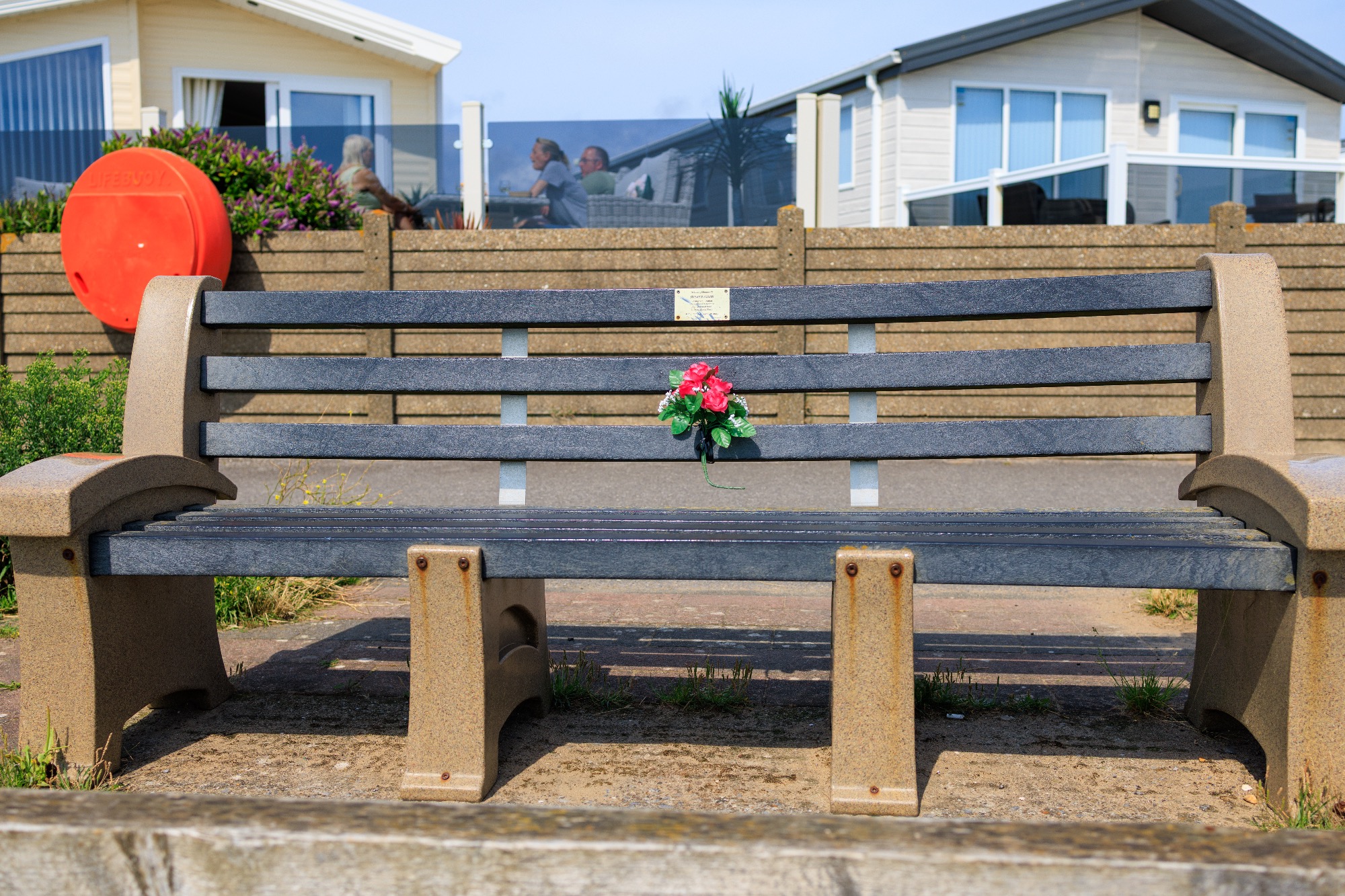
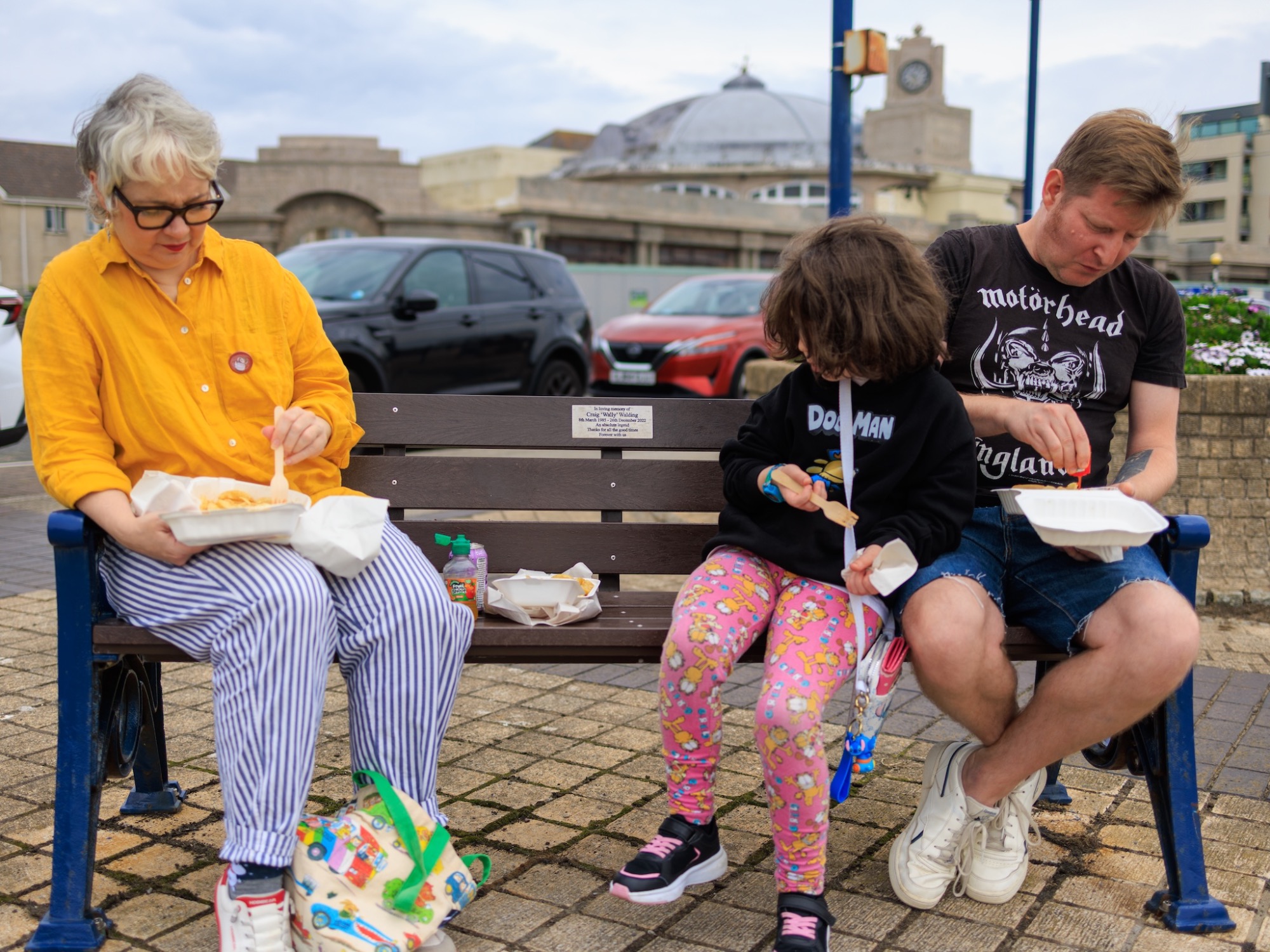
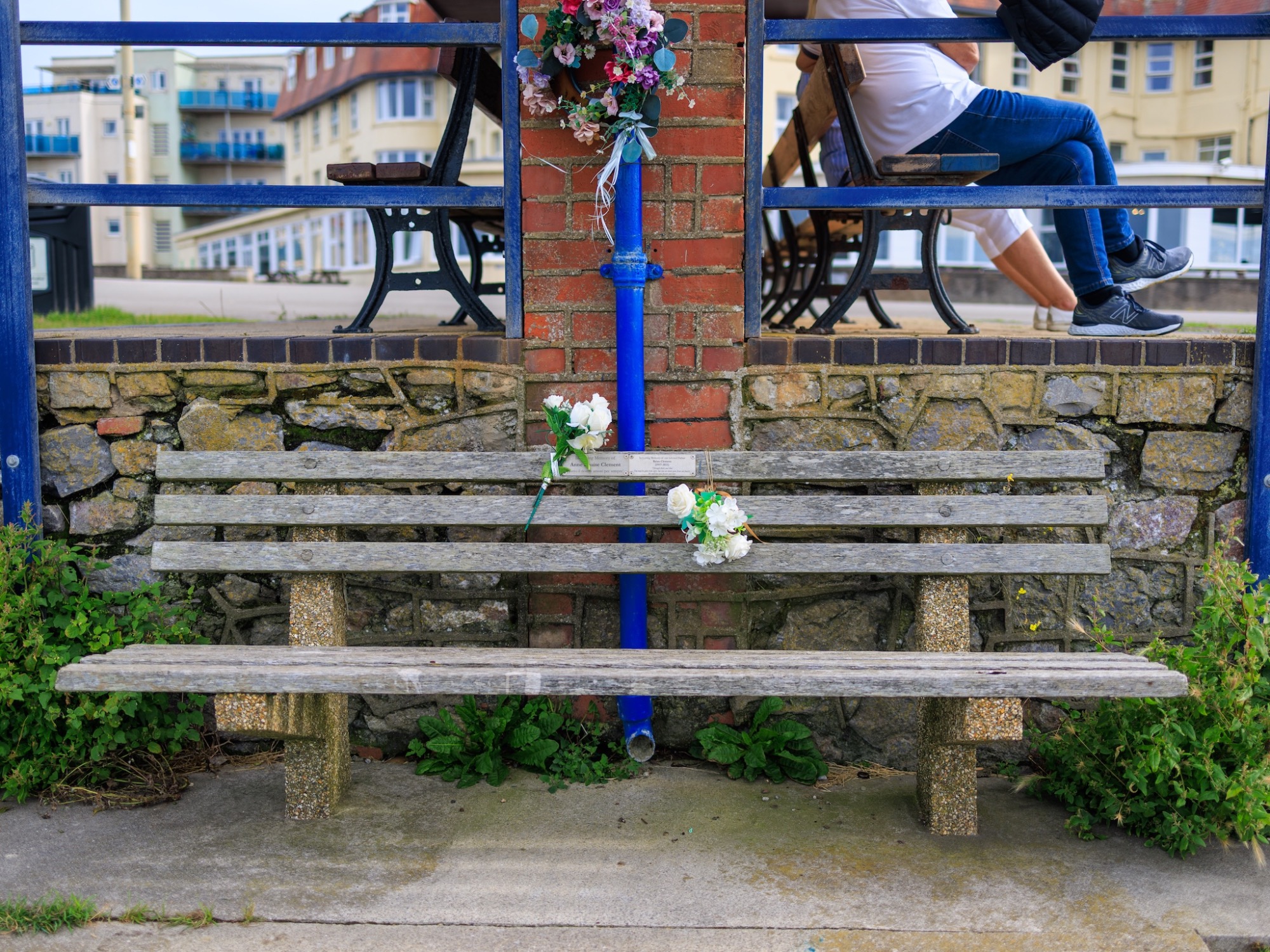
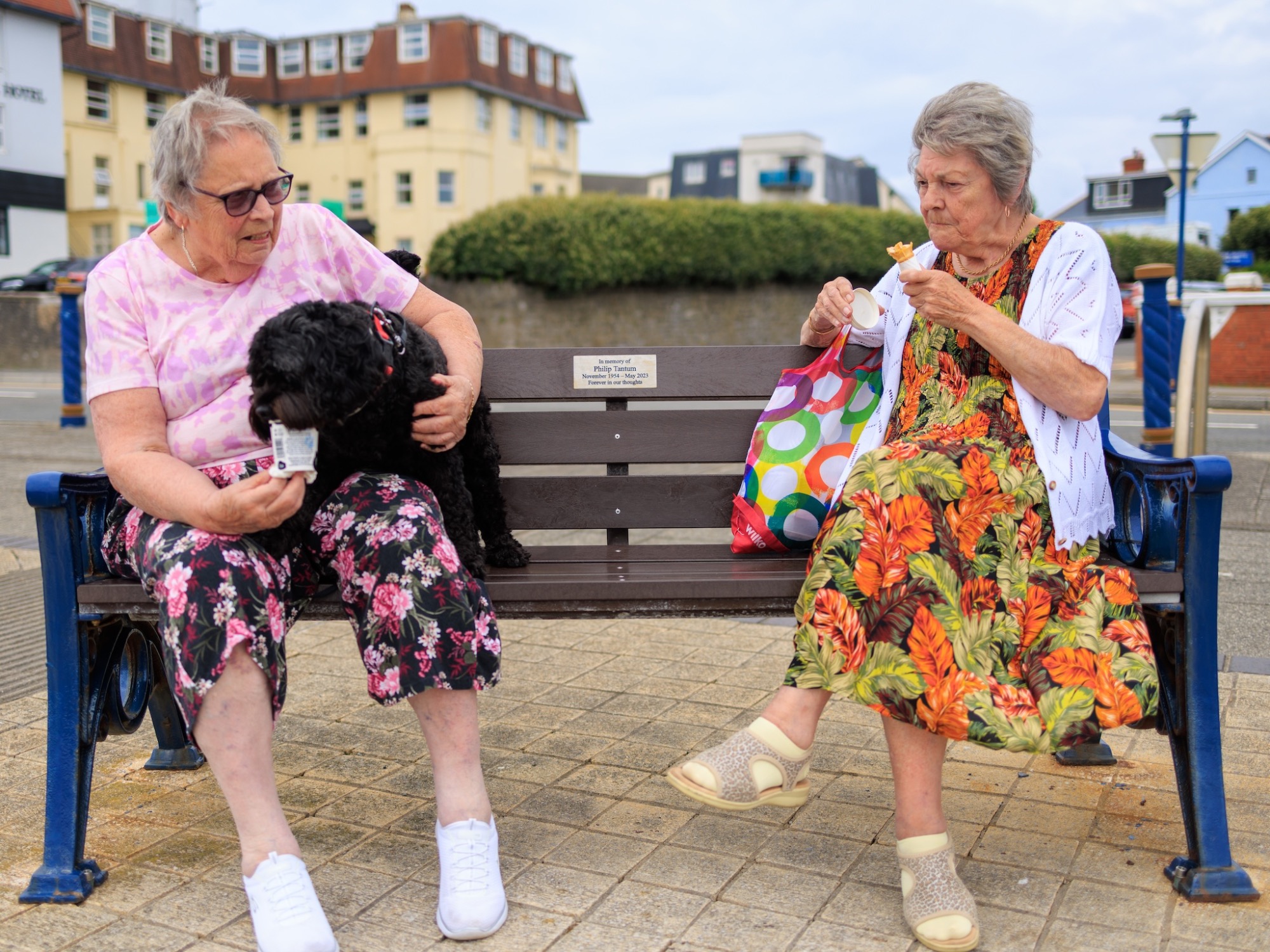
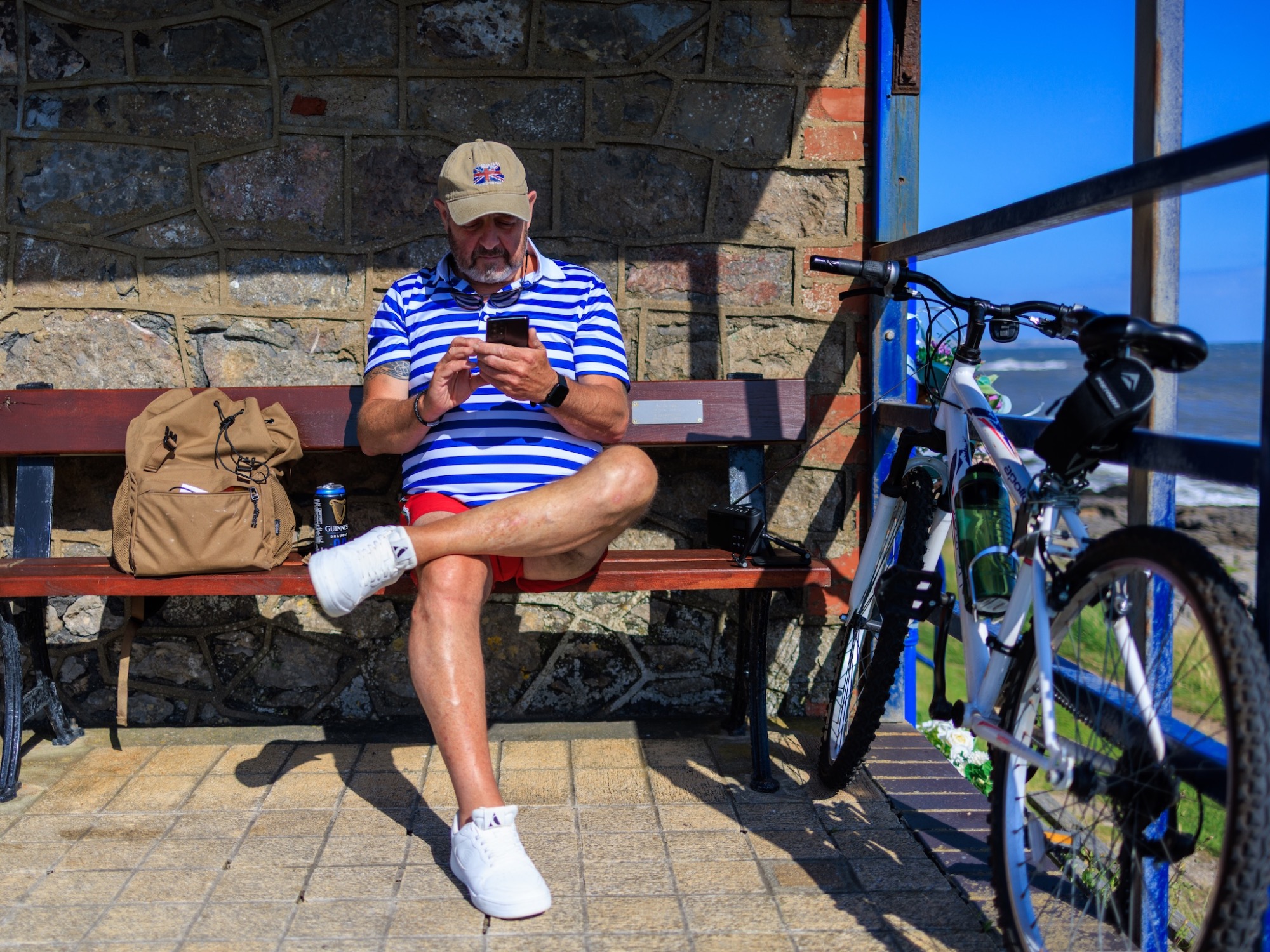
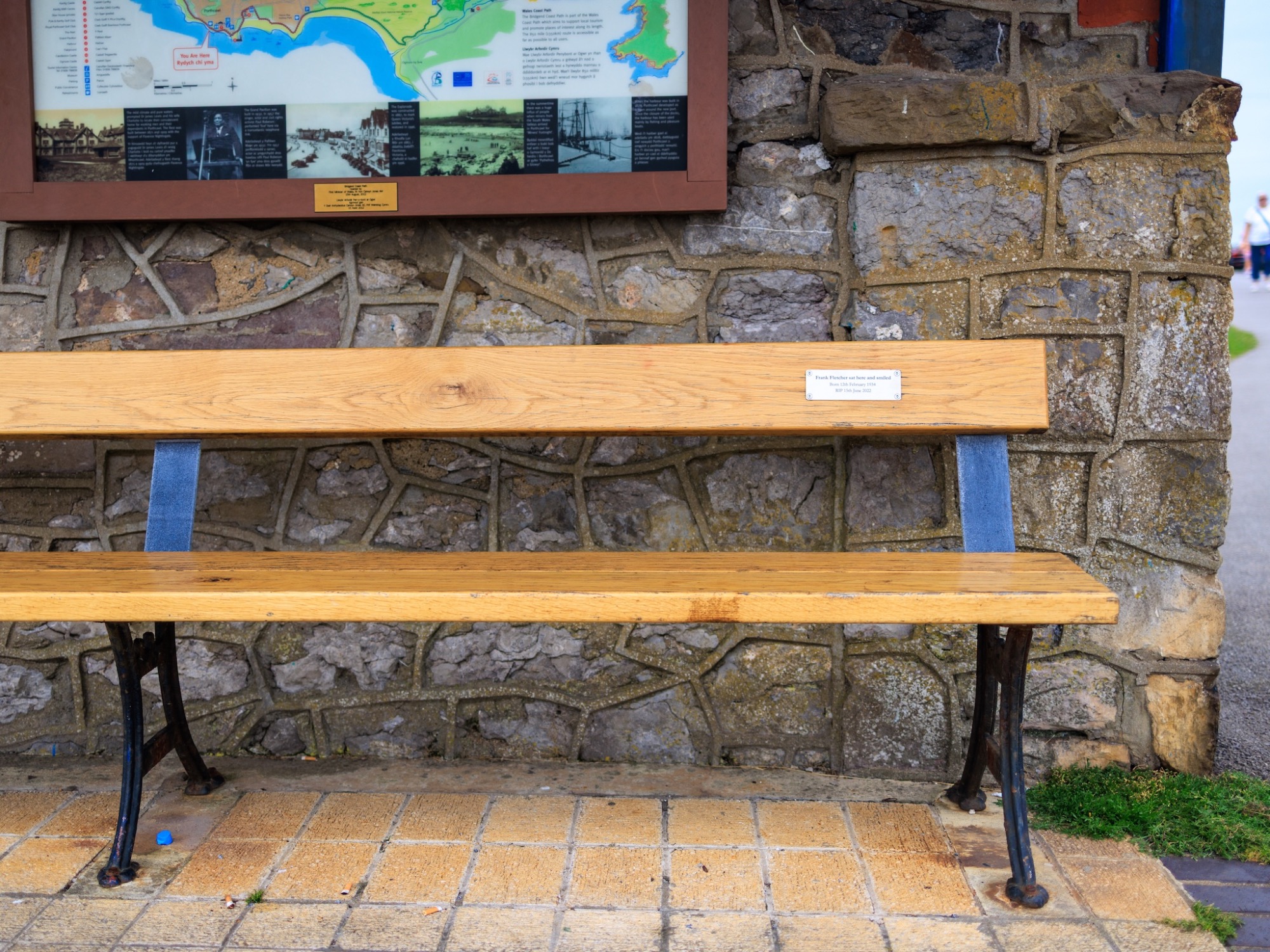
As burial traditions decline and cremation becomes more common, the way we remember loved ones has shifted. The sombre ritual of visiting a grave is increasingly replaced by remembrance in places of joy and meaning.
The memorial bench has become a popular form of tribute, offering both a site for reflection and a glimpse into the life of the person commemorated. Unlike headstones, benches are public and accessible, allowing anyone to share in the view once cherished by another.
Sit here and smile explores how memorial benches embody a cultural shift in remembrance, away from solemnity and towards celebration. In Porthcawl the seaside has become a landscape of memory, where benches line the shore as quiet markers of lives lived and loved.
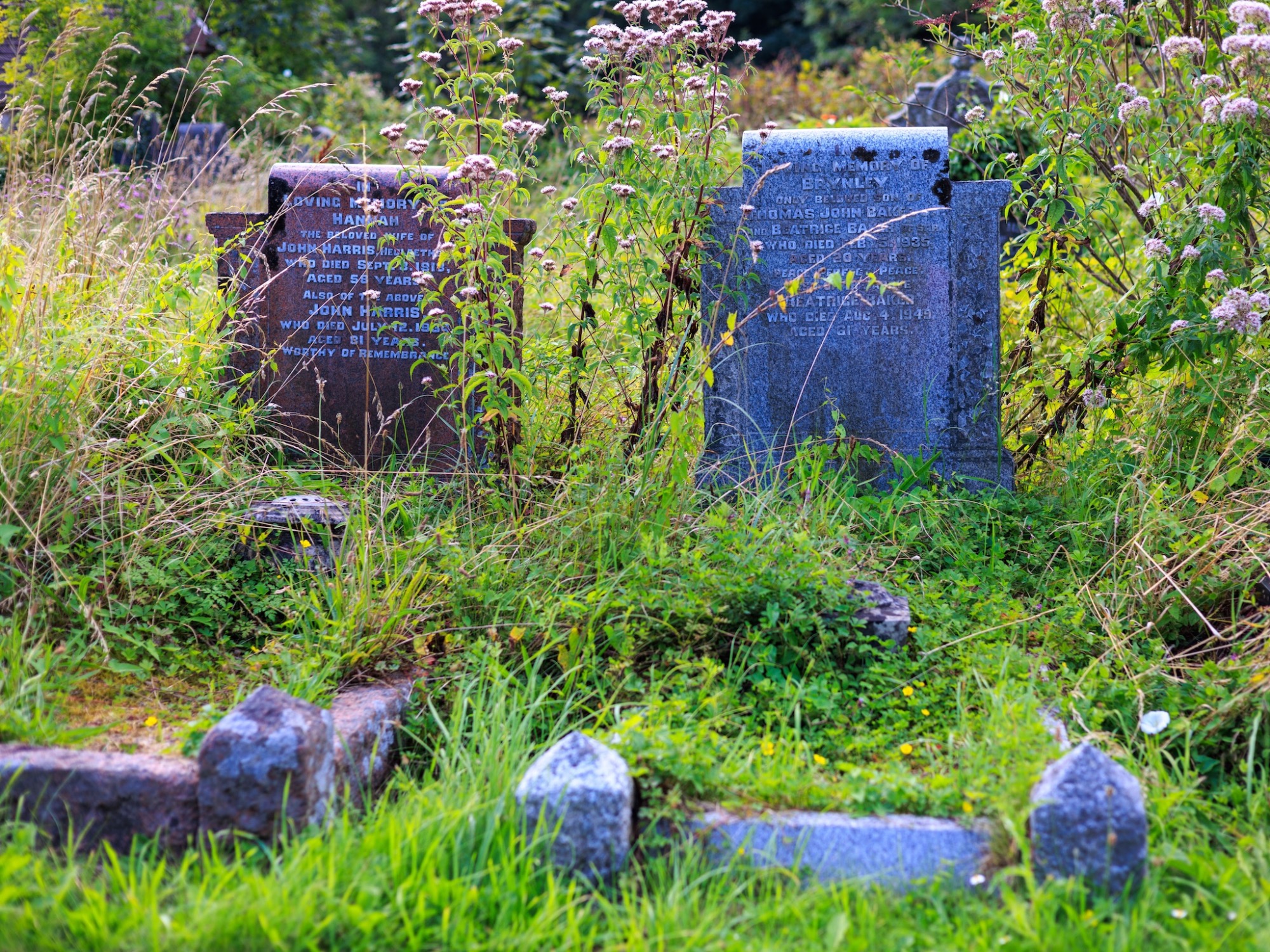
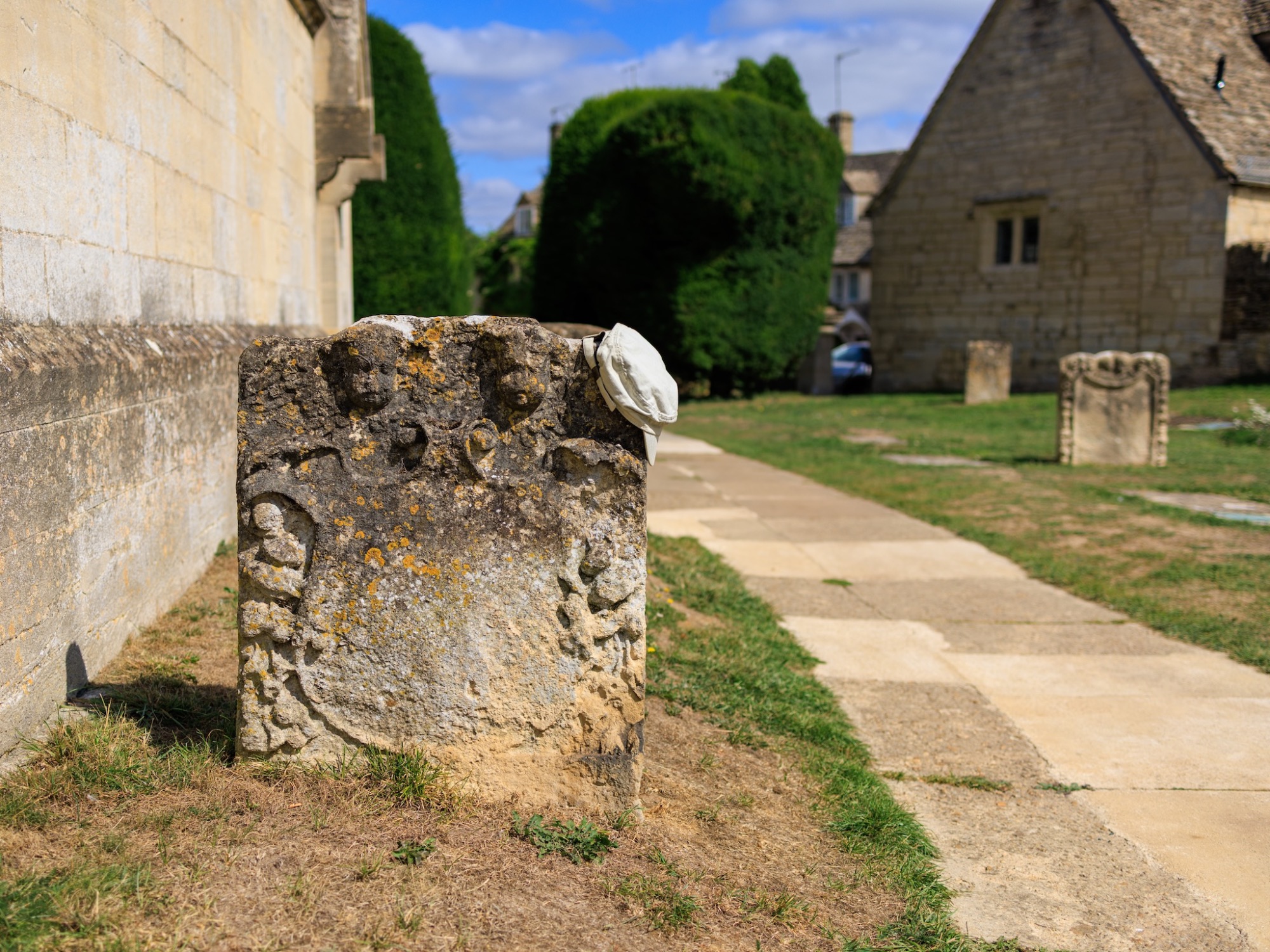
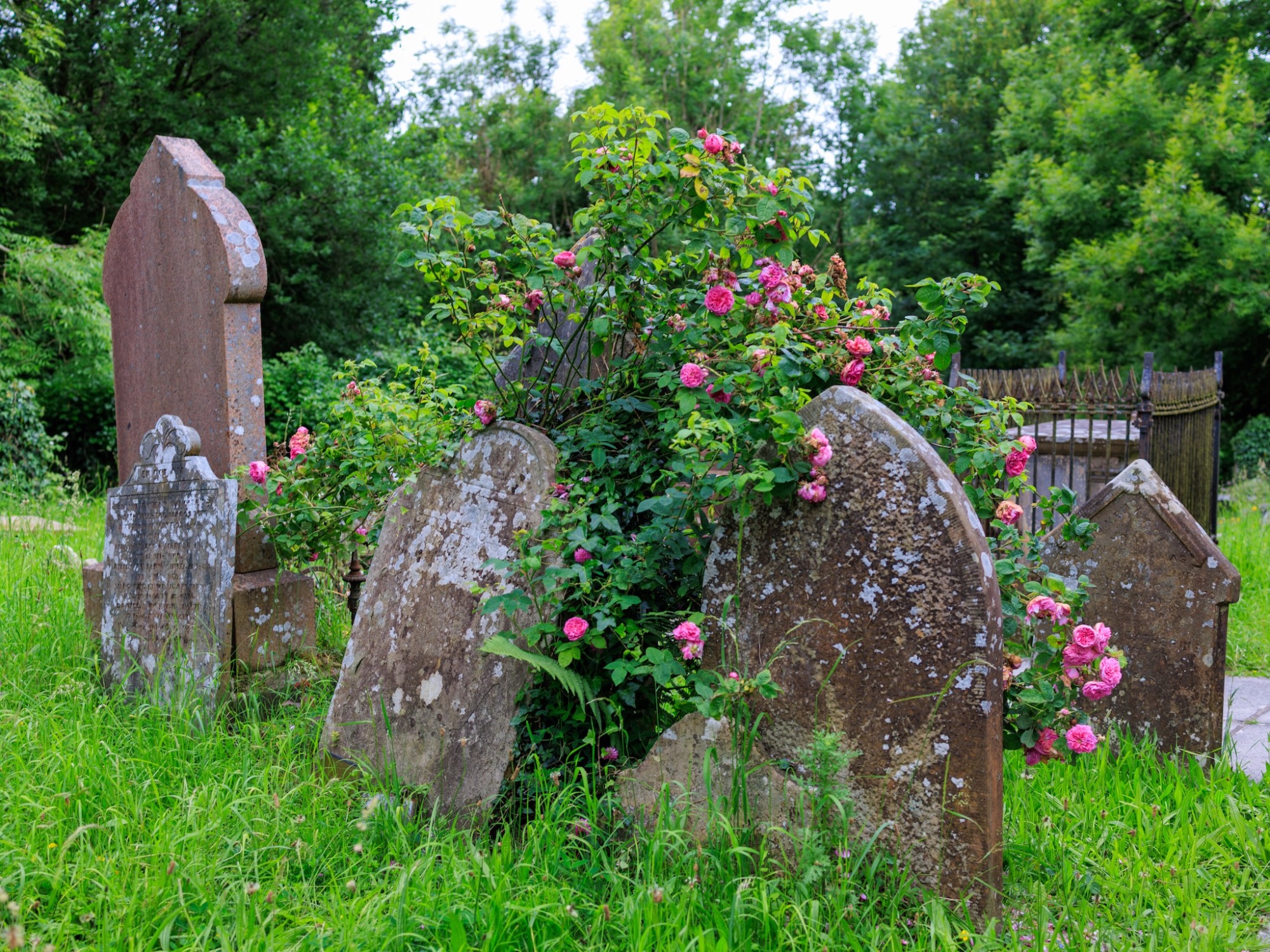
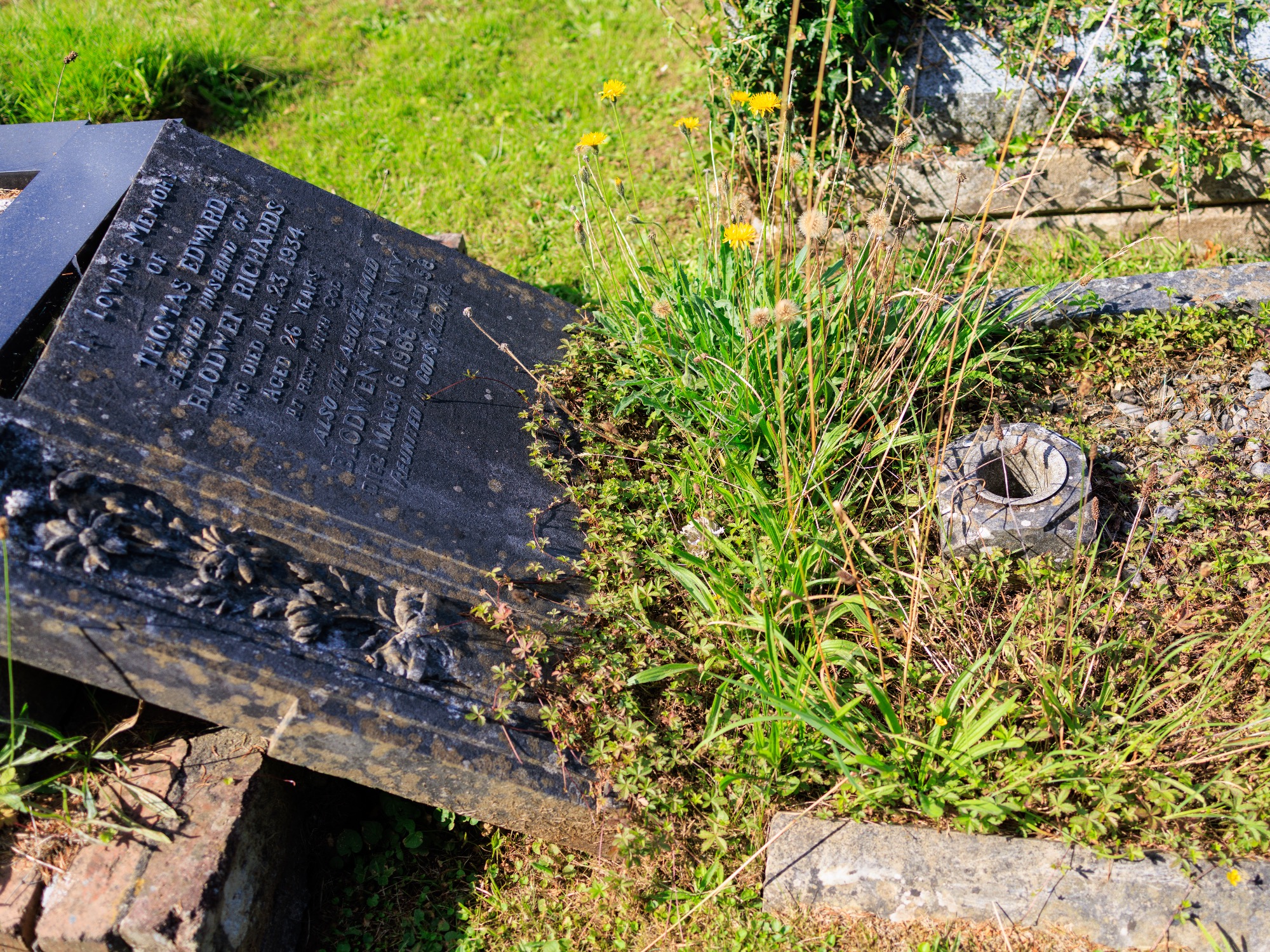
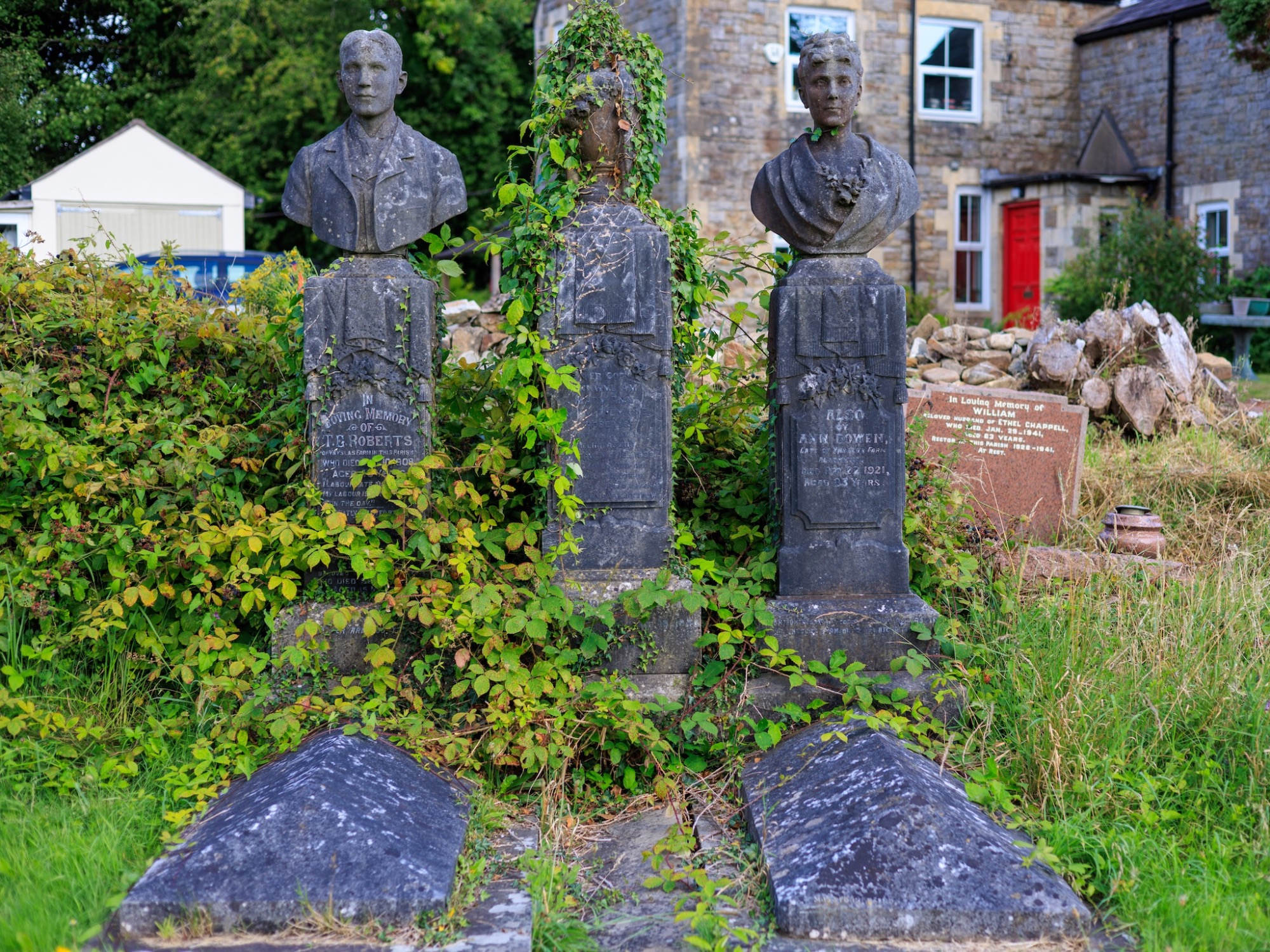
Will We Remember Them
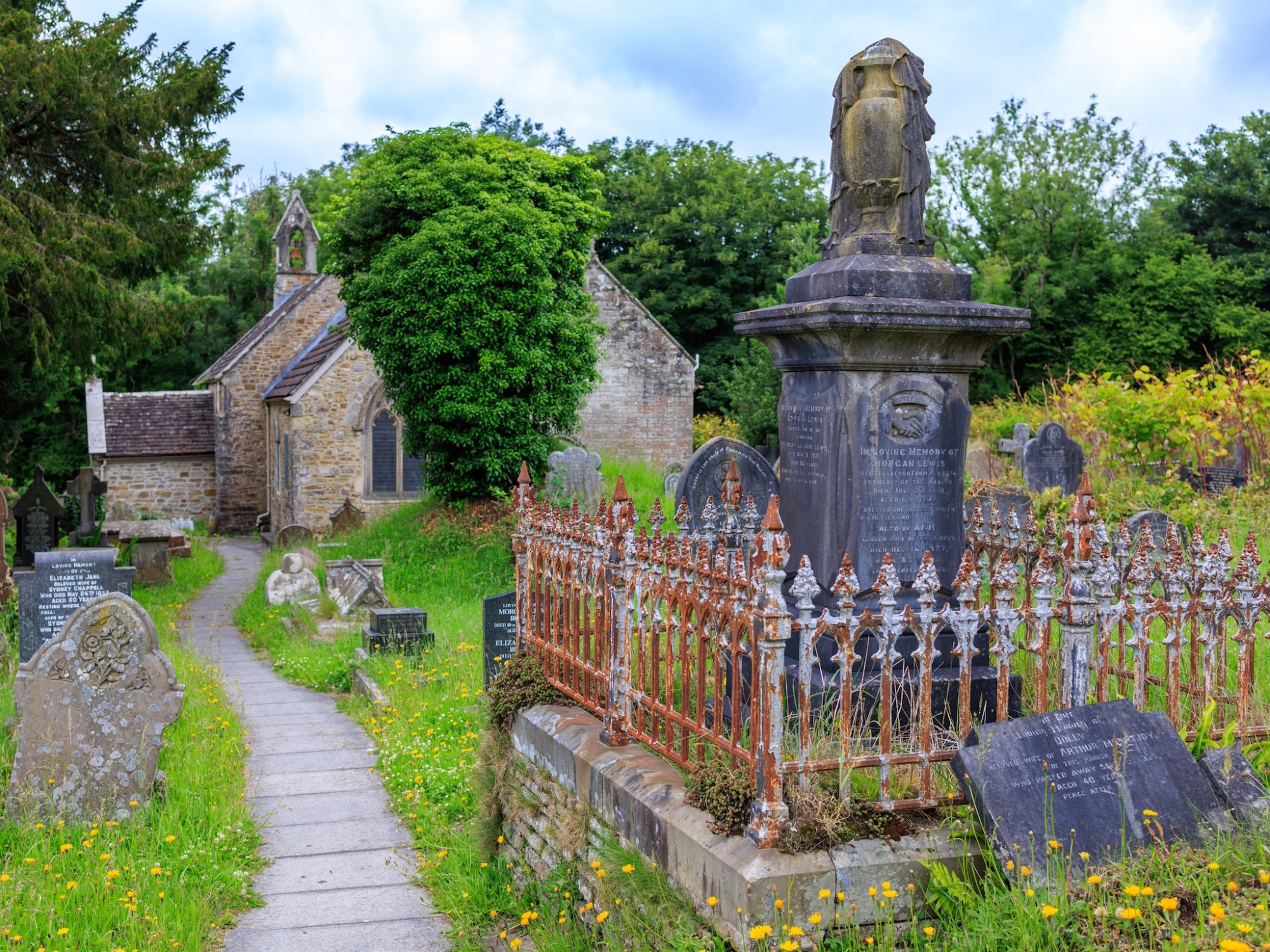
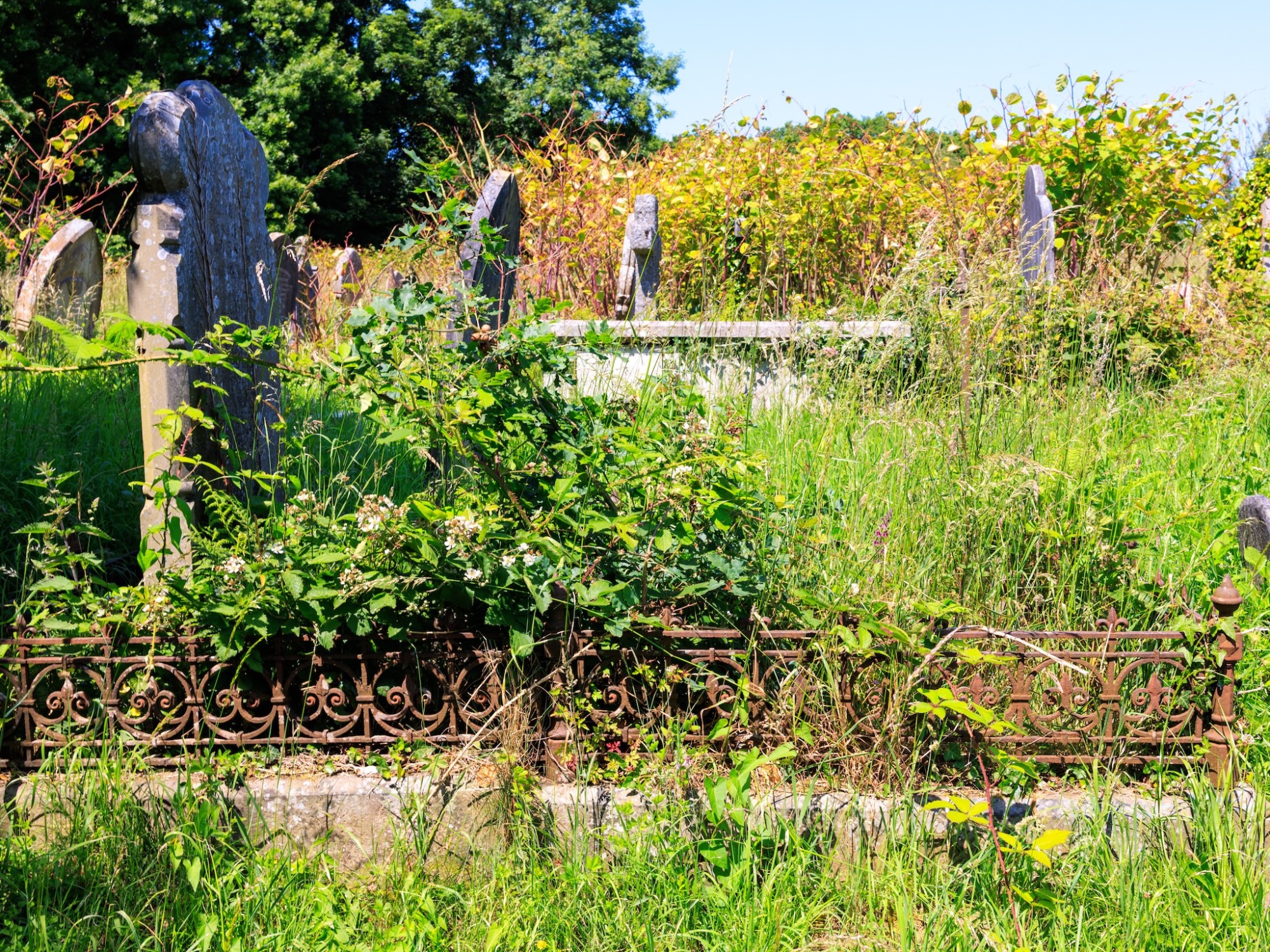
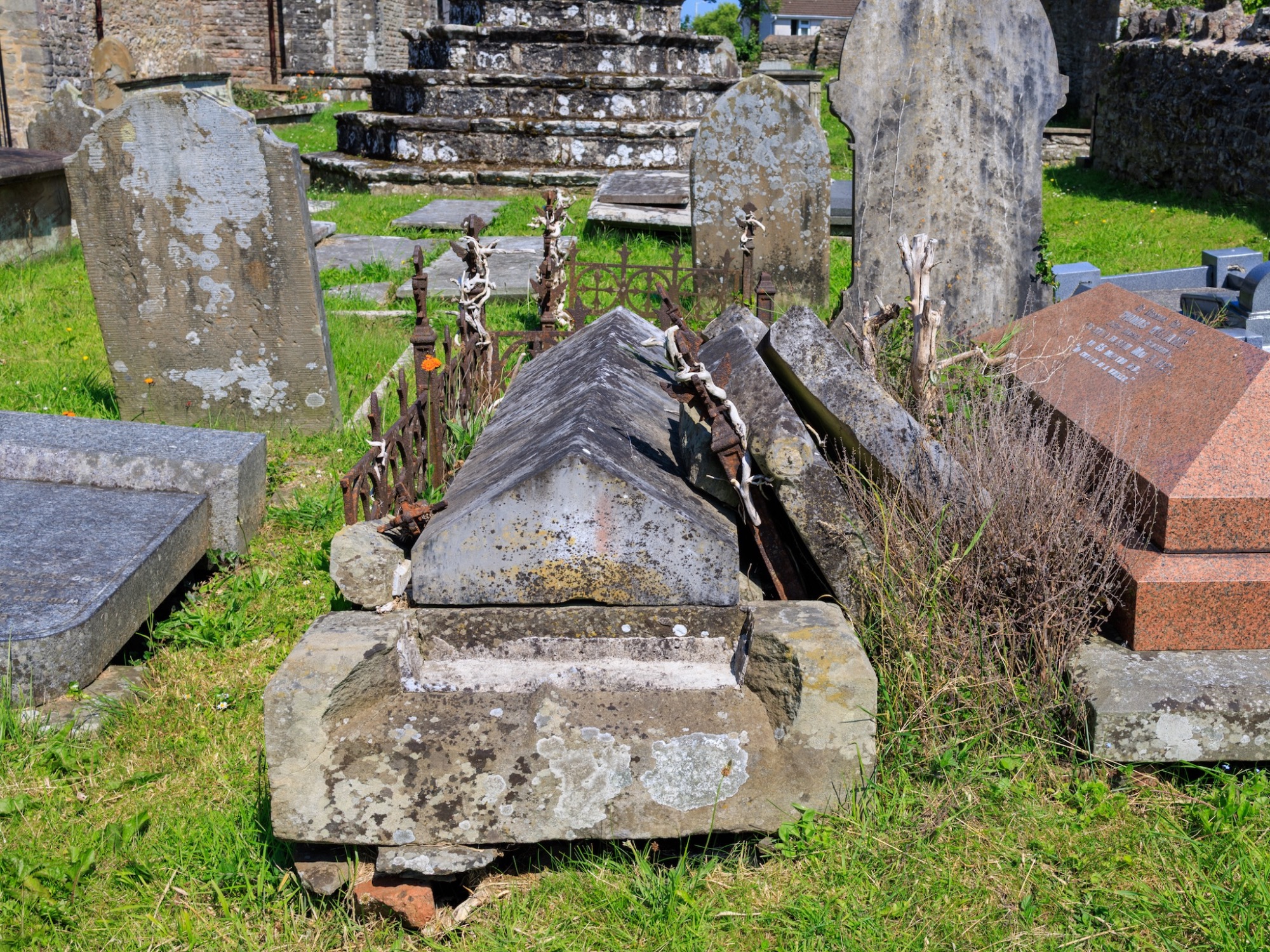
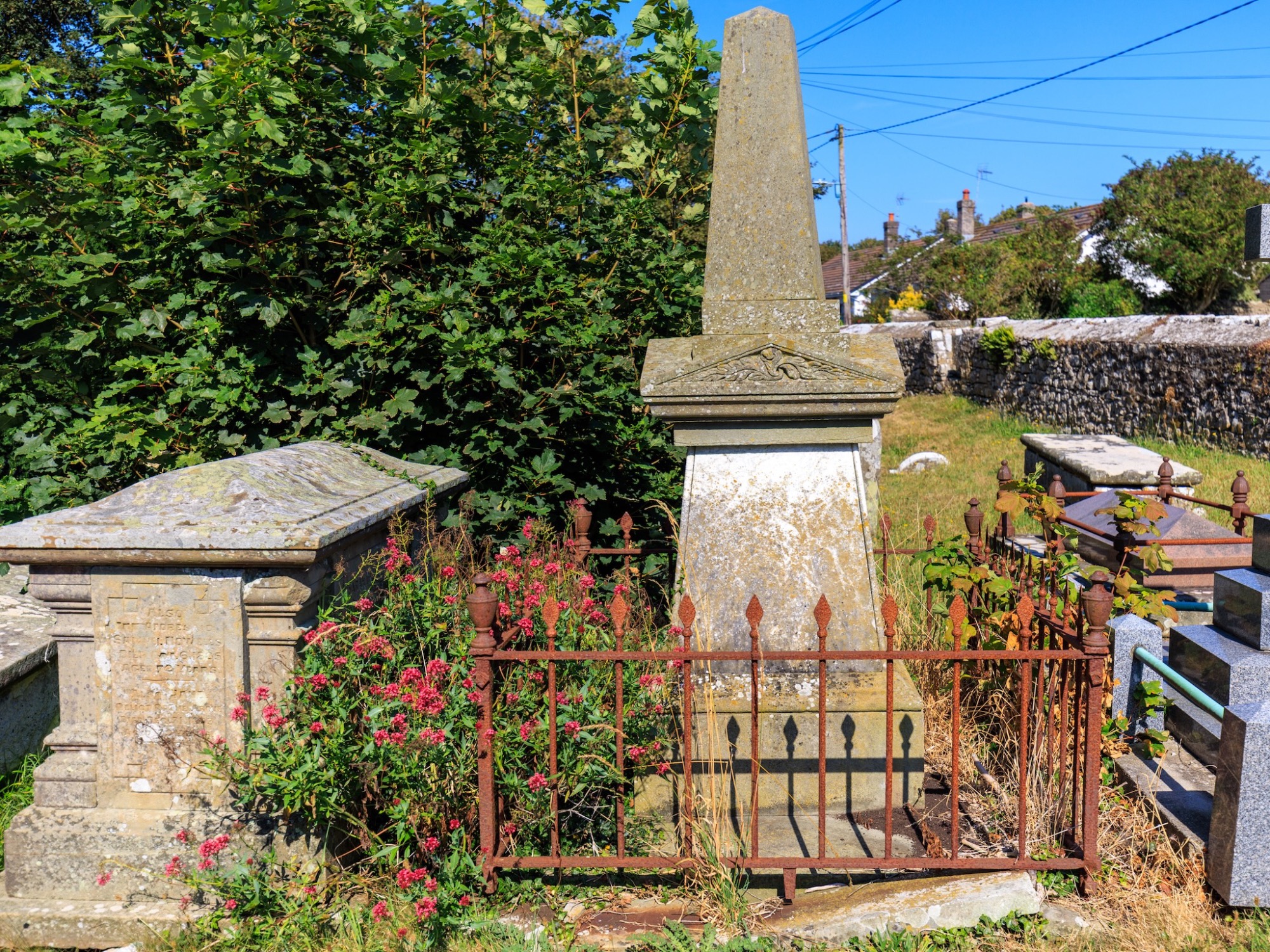
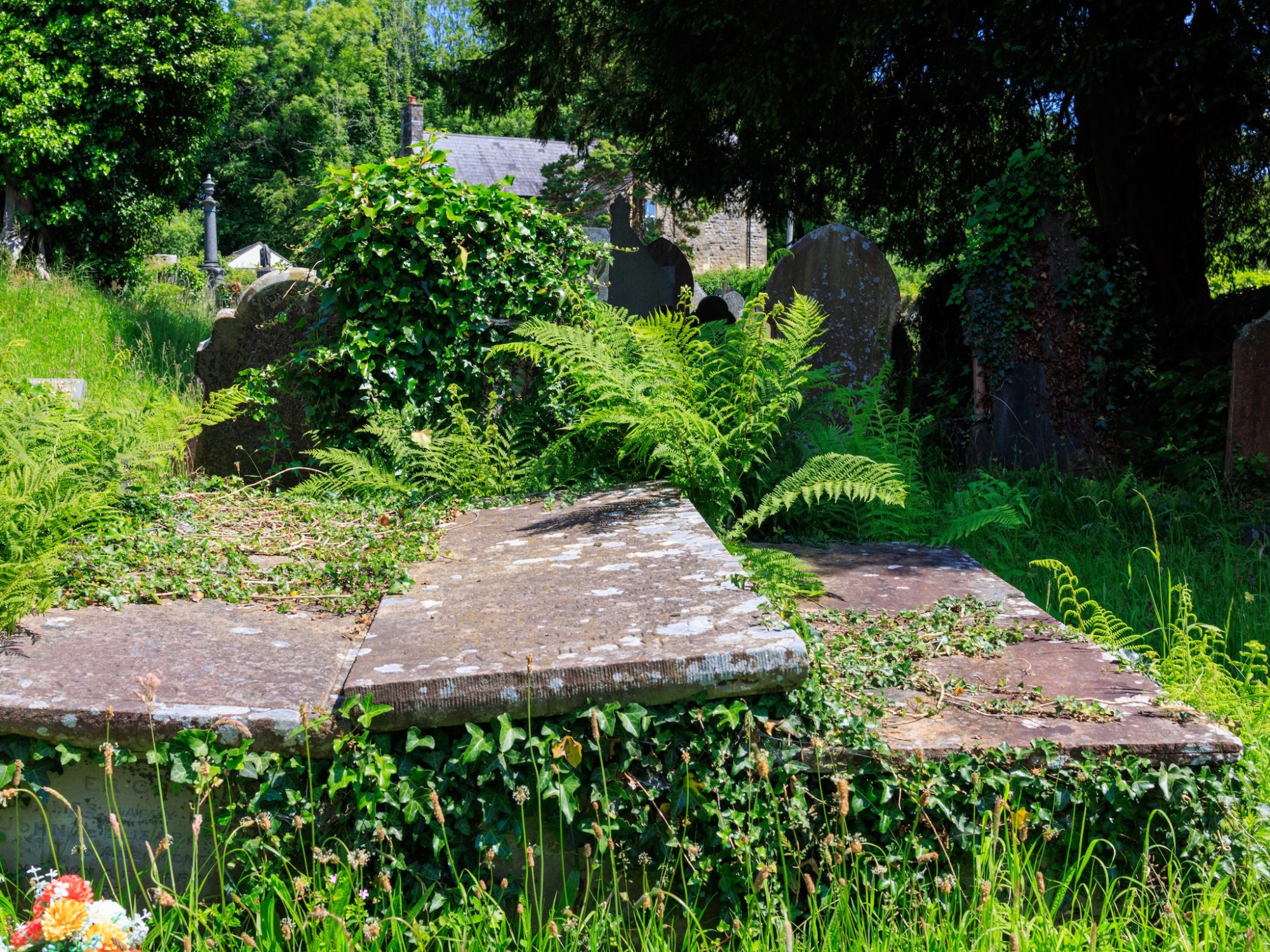
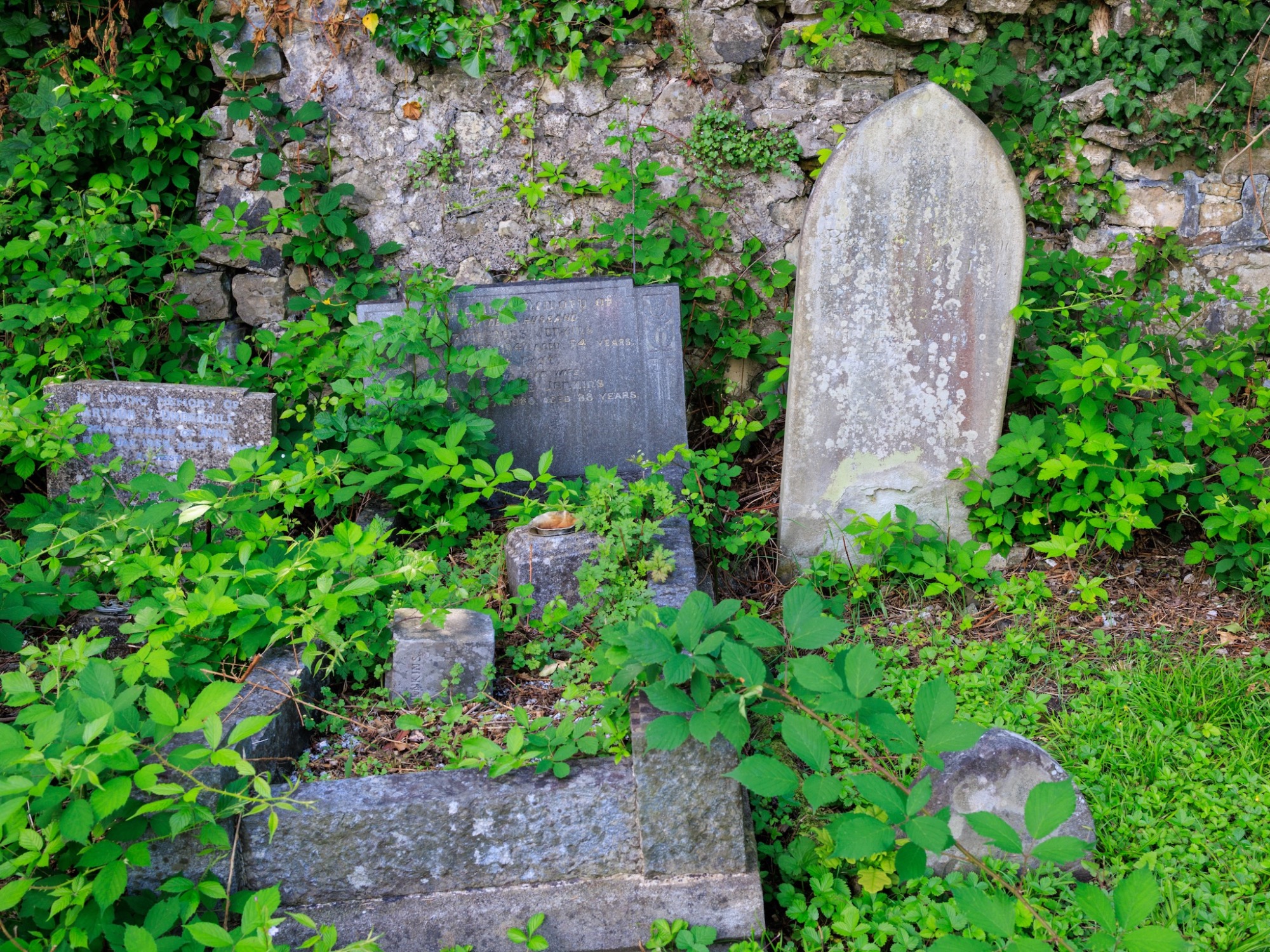
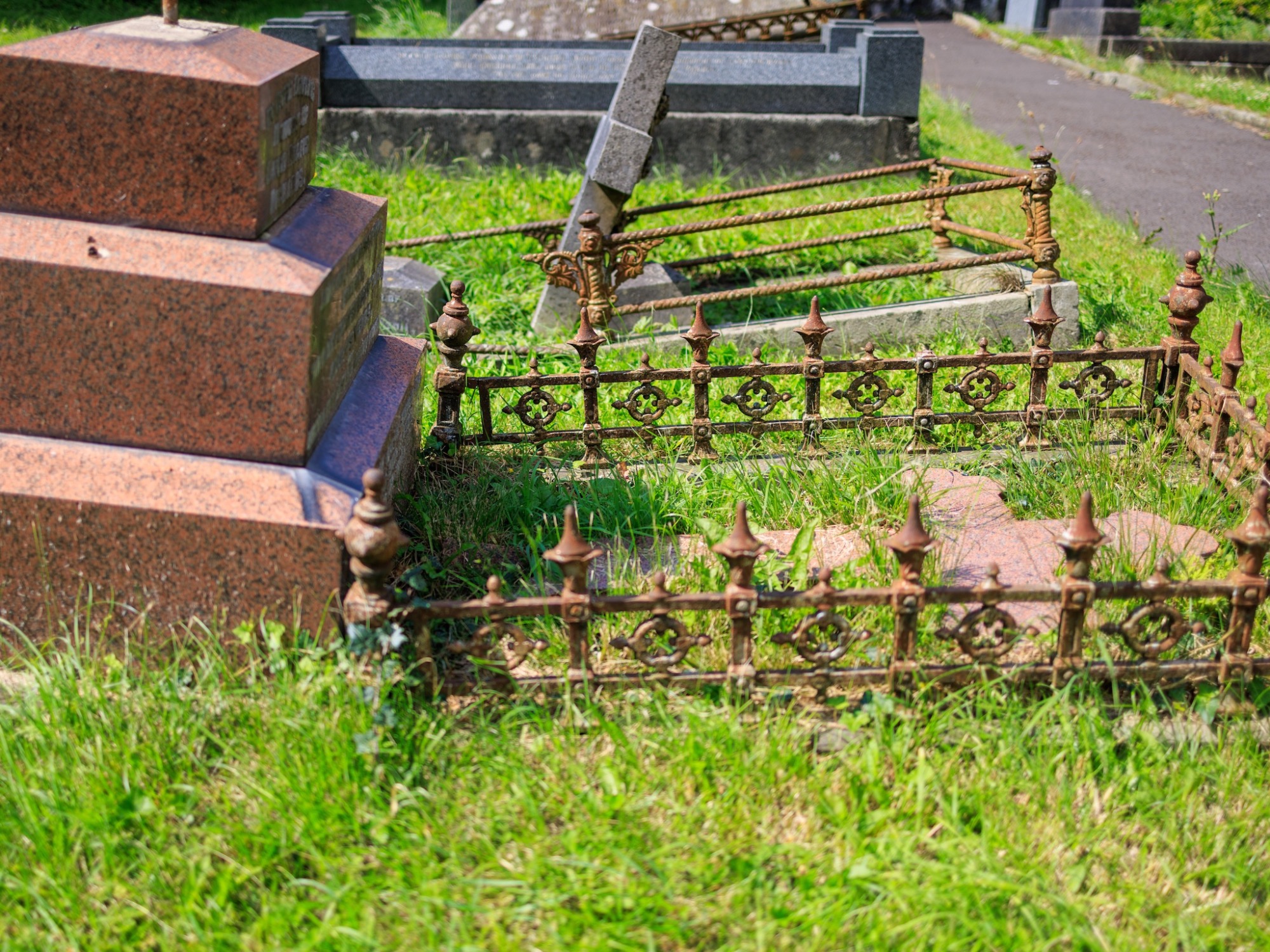
Will We Remember Them examines the quiet disappearance of memory found in neglected graves, resting places that have fallen out of care as the generations connected to them age, move away, or pass on. These sites, once tended with devotion, now stand as understated markers of shifting social values. By documenting these forgotten spaces, the project reflects on how remembrance is not permanent but bound to the living who carry it. After two or three generations, a grave often loses its personal significance; the stories it represents fade, and the site becomes part of the landscape rather than part of a family’s history.
Through photography, the project invites viewers to confront the temporal nature of memory, the shifting meaning of ritual, and the traces left behind when remembrance no longer has caretakers. It asks what we choose to preserve and what quietly disappears when we no longer look.
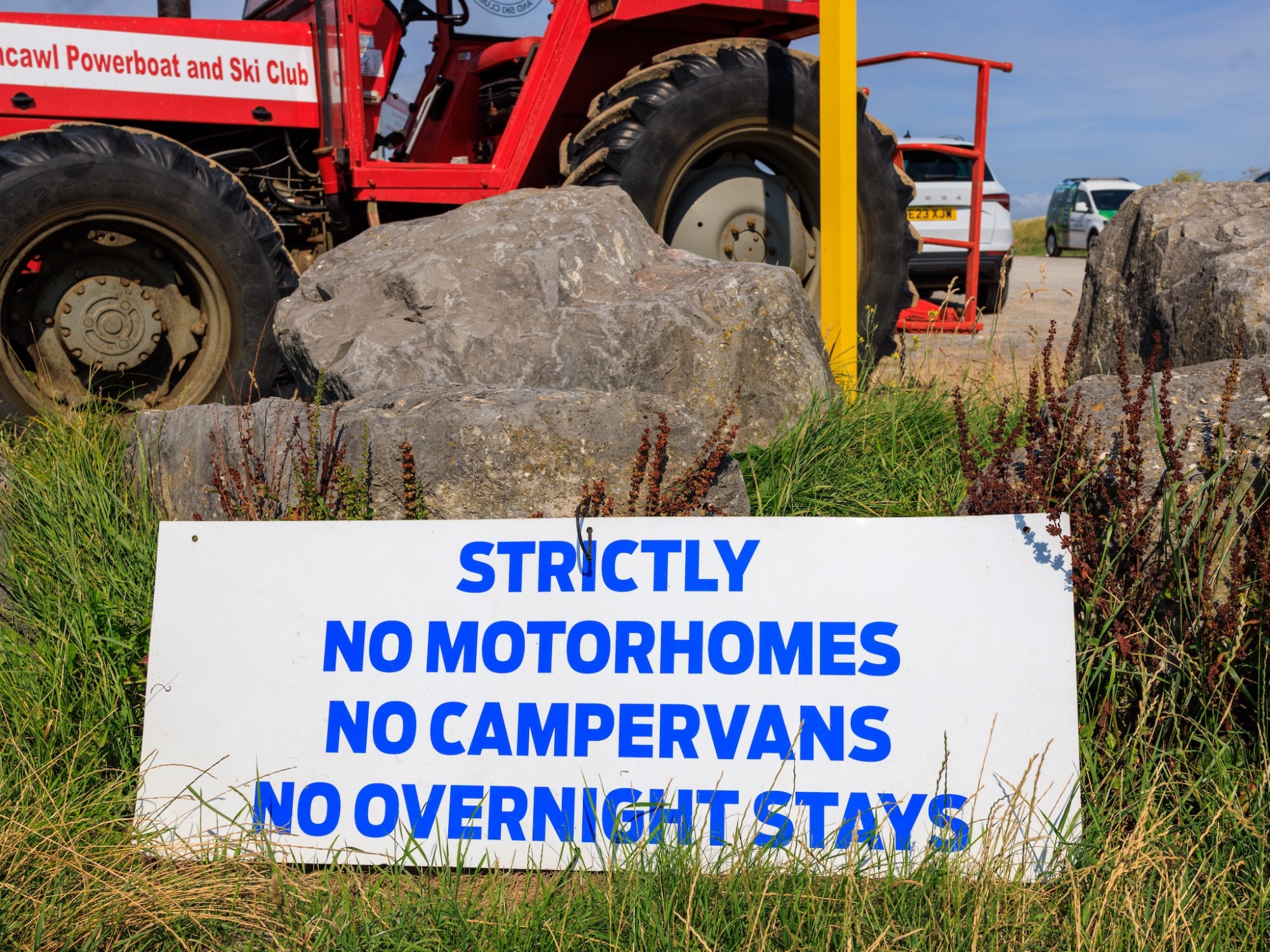
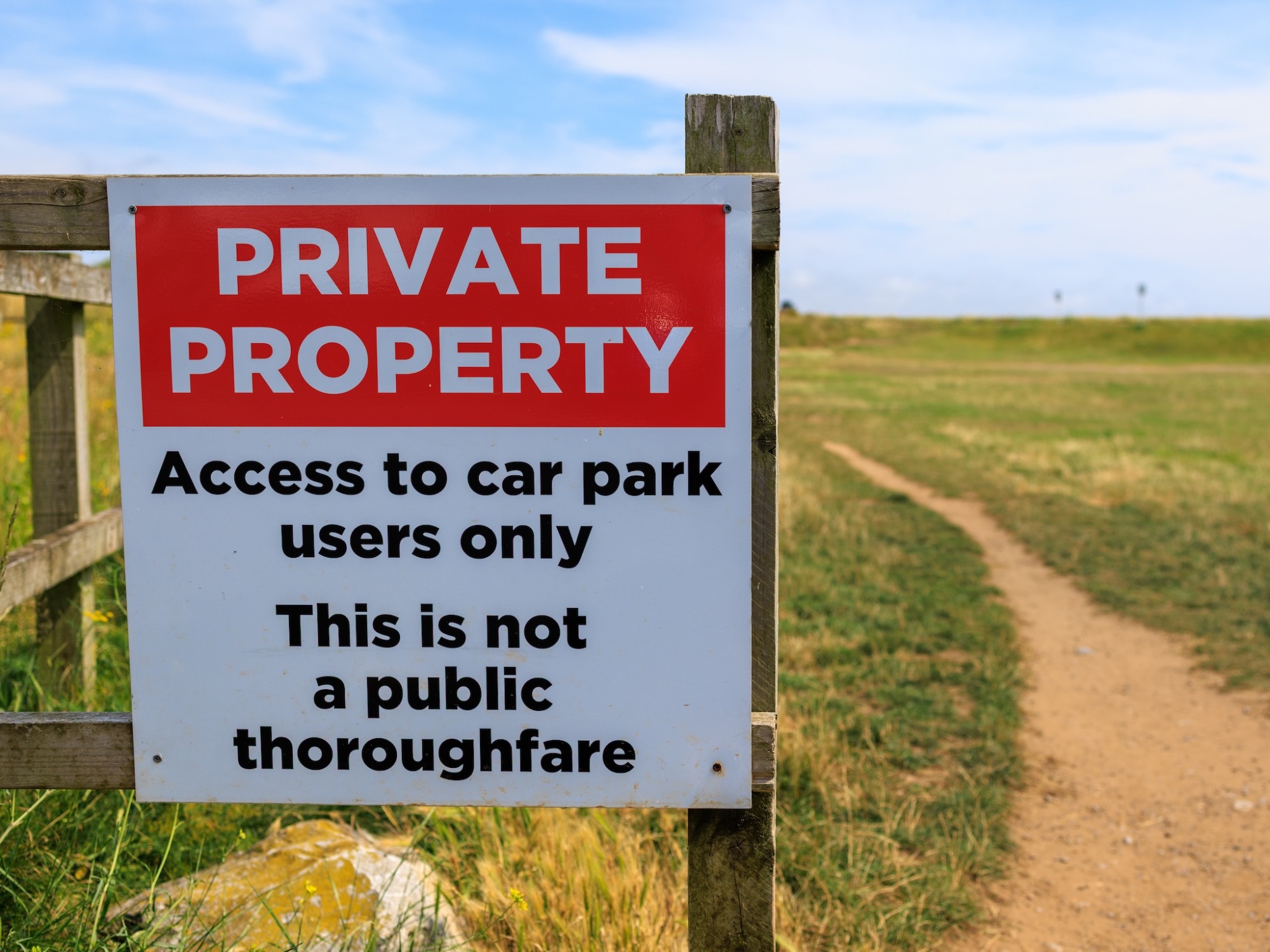
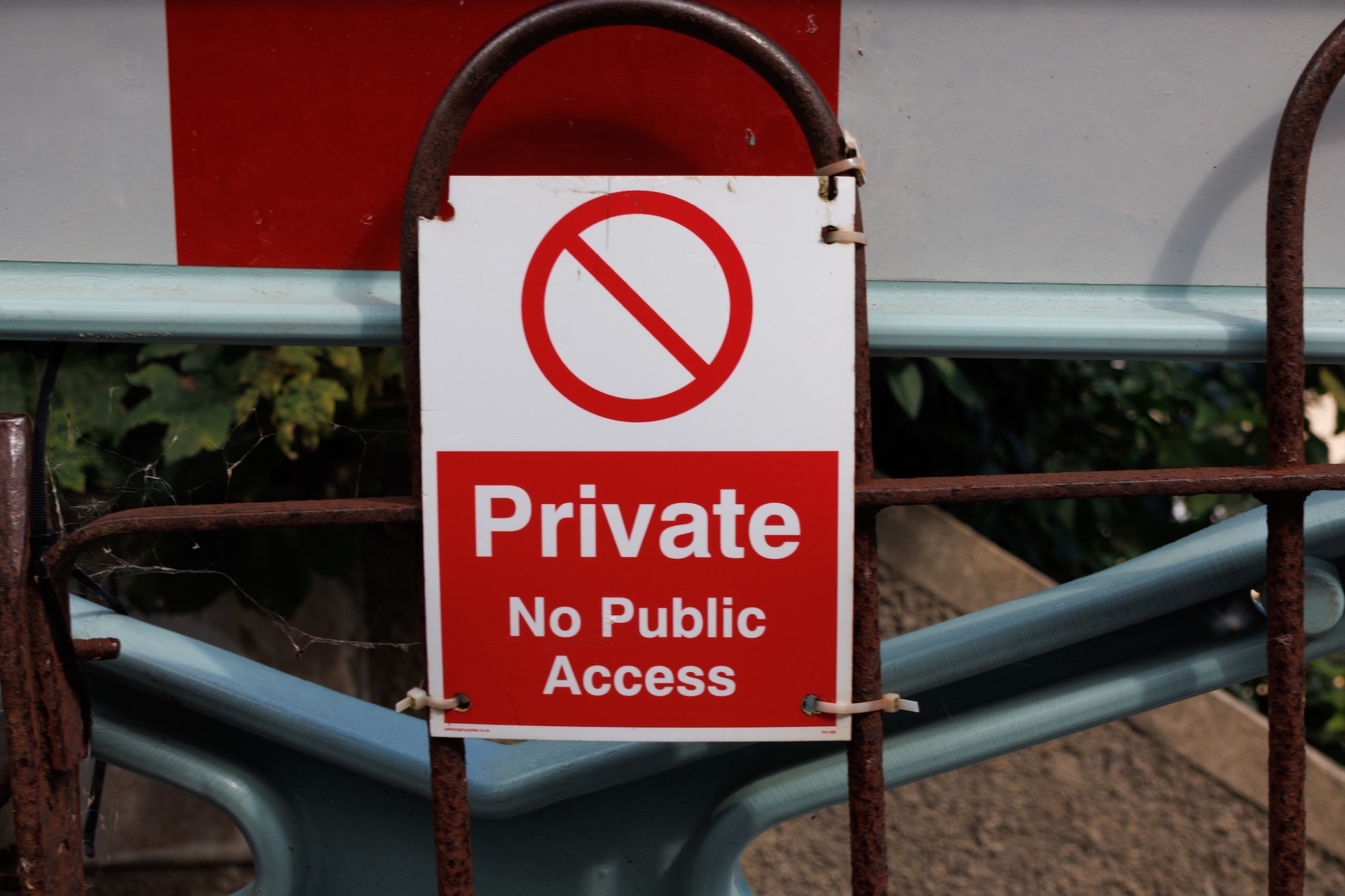
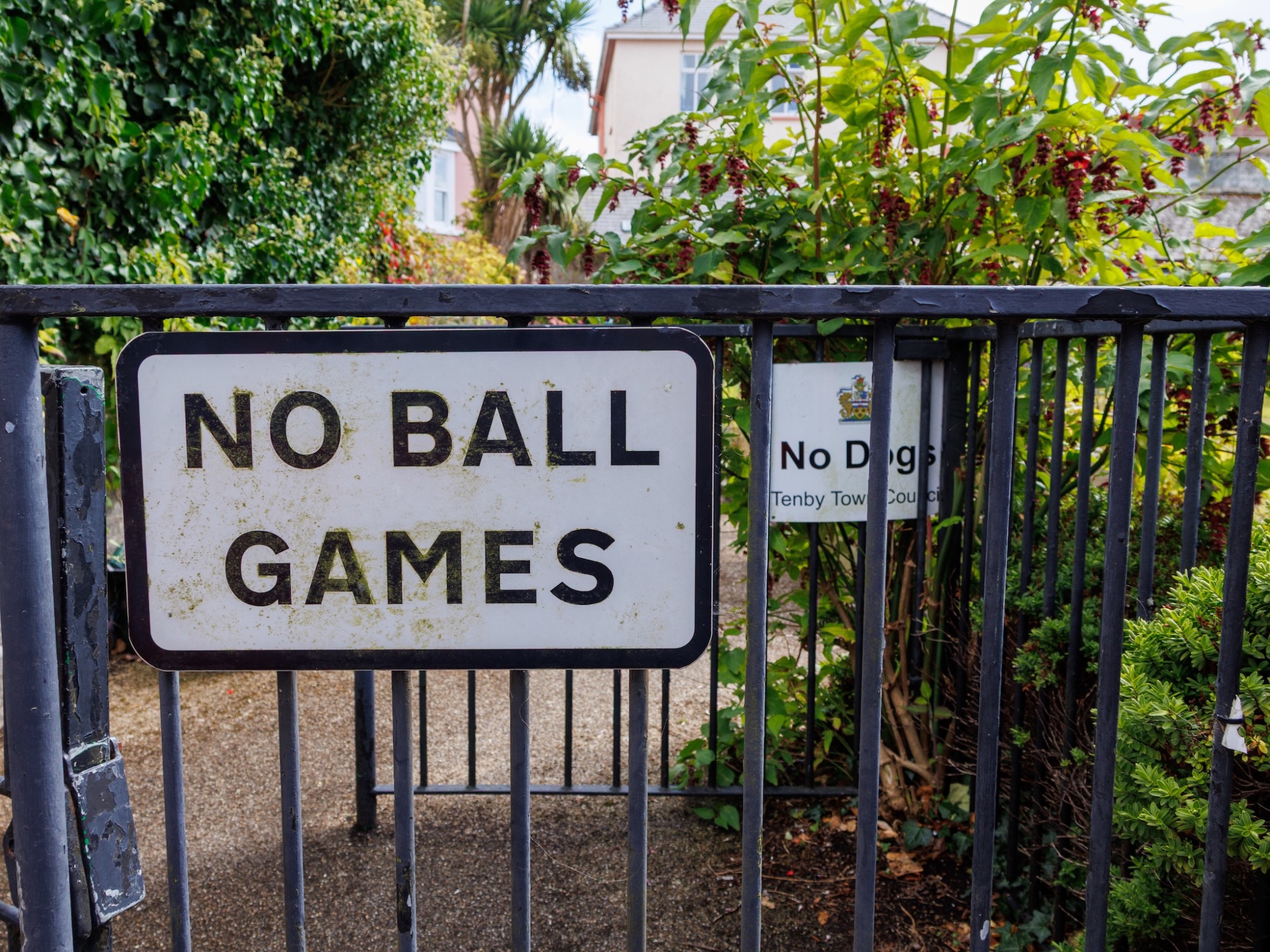
Keep Out!
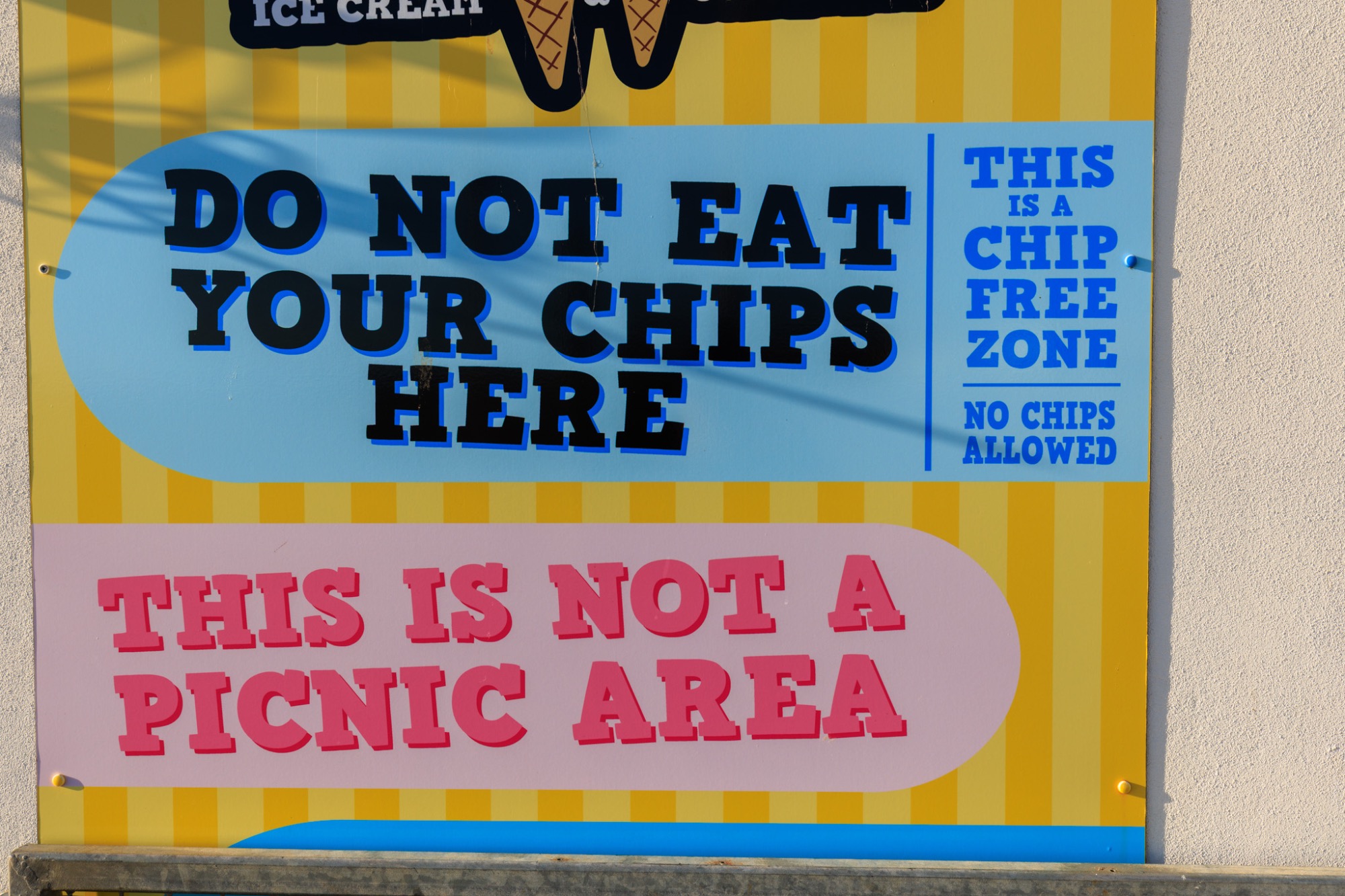
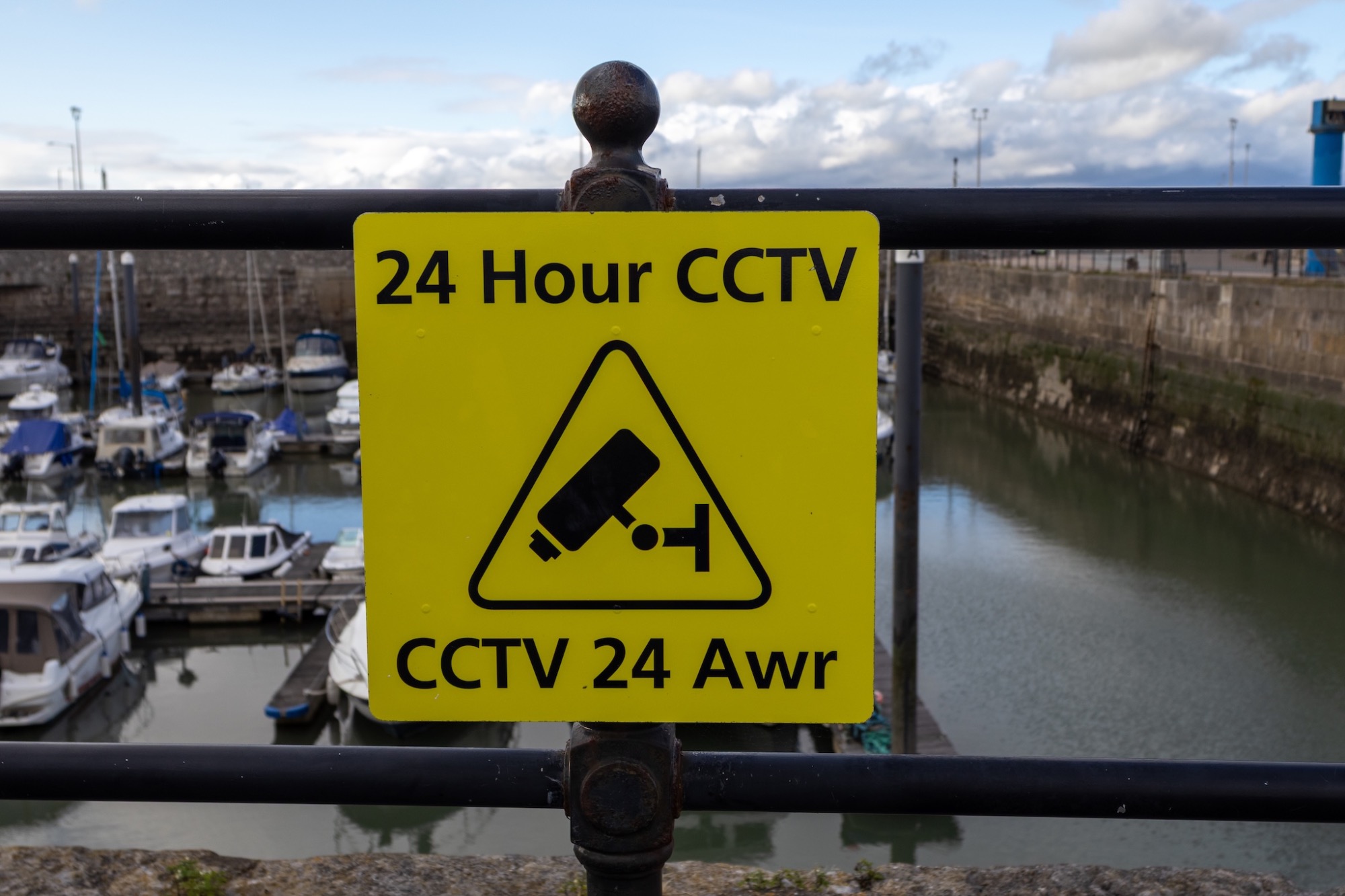
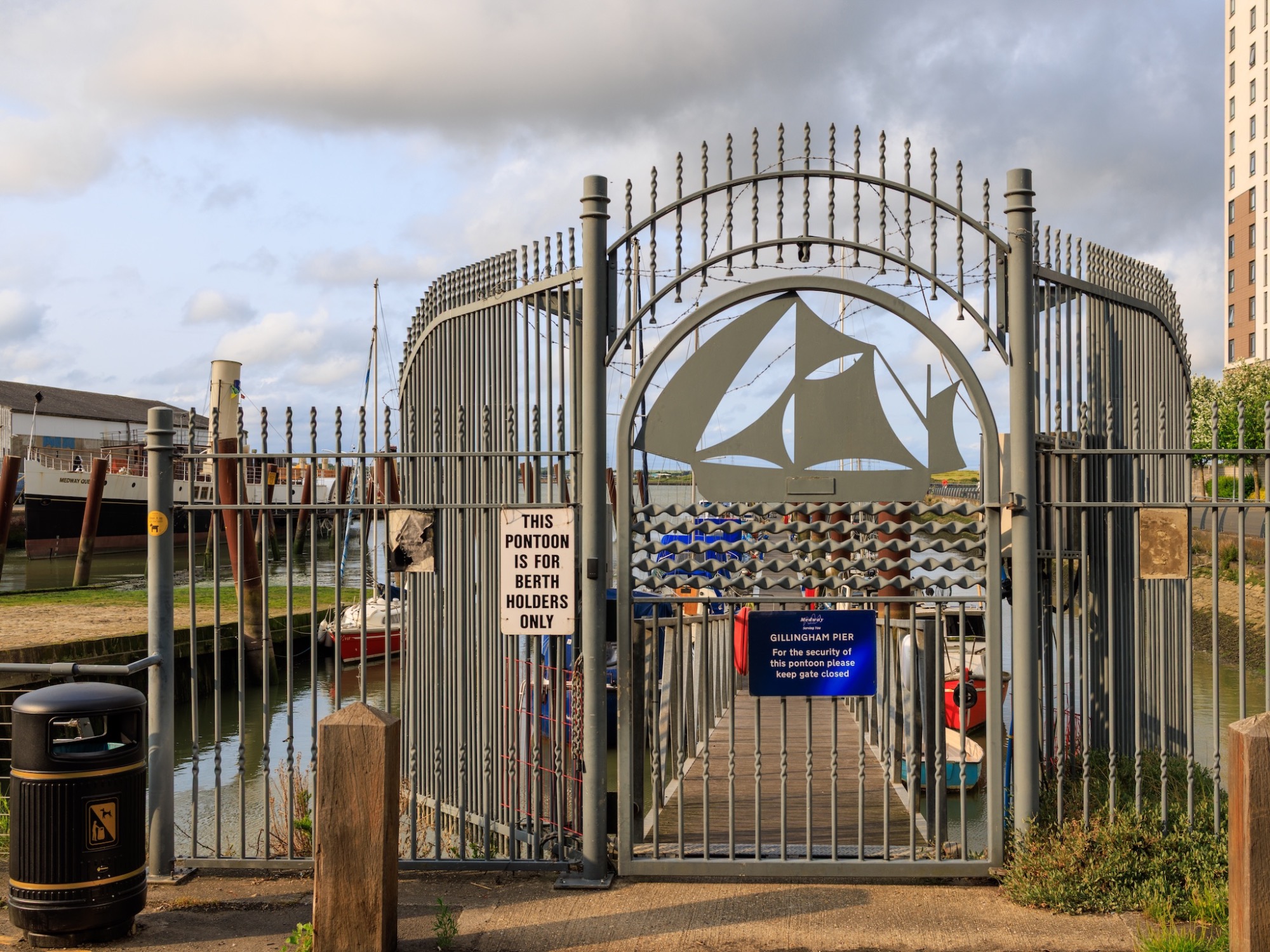
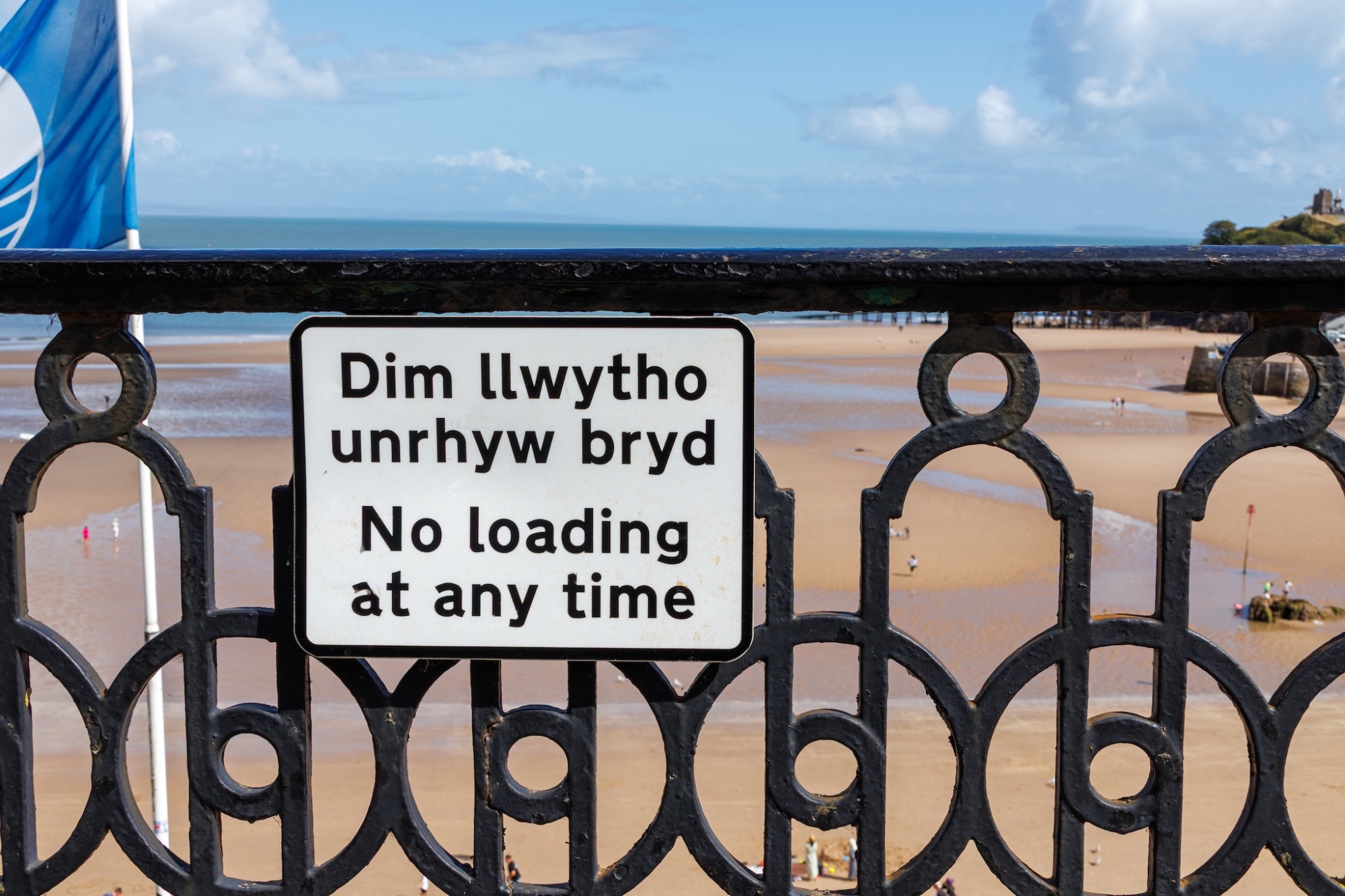
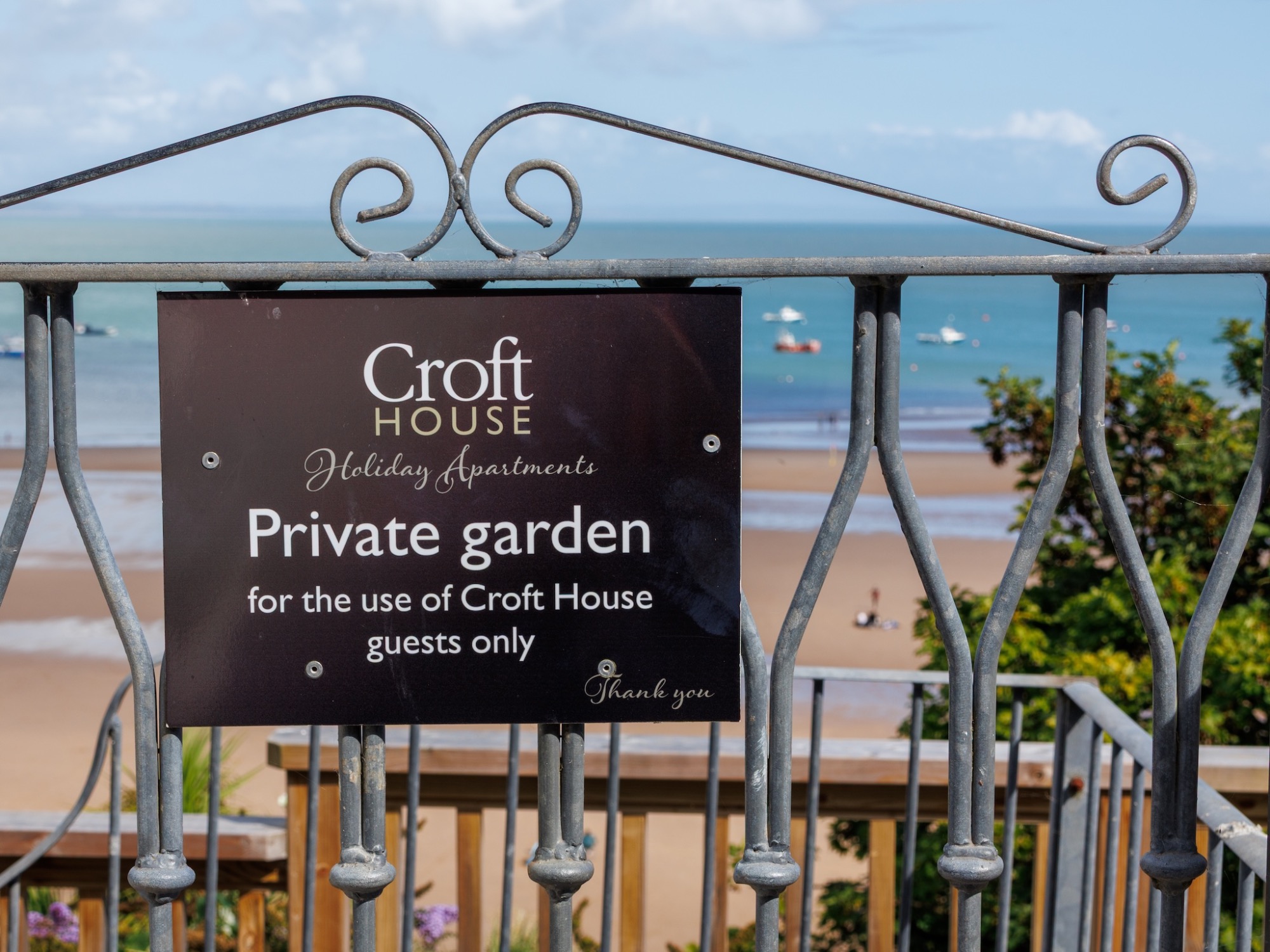
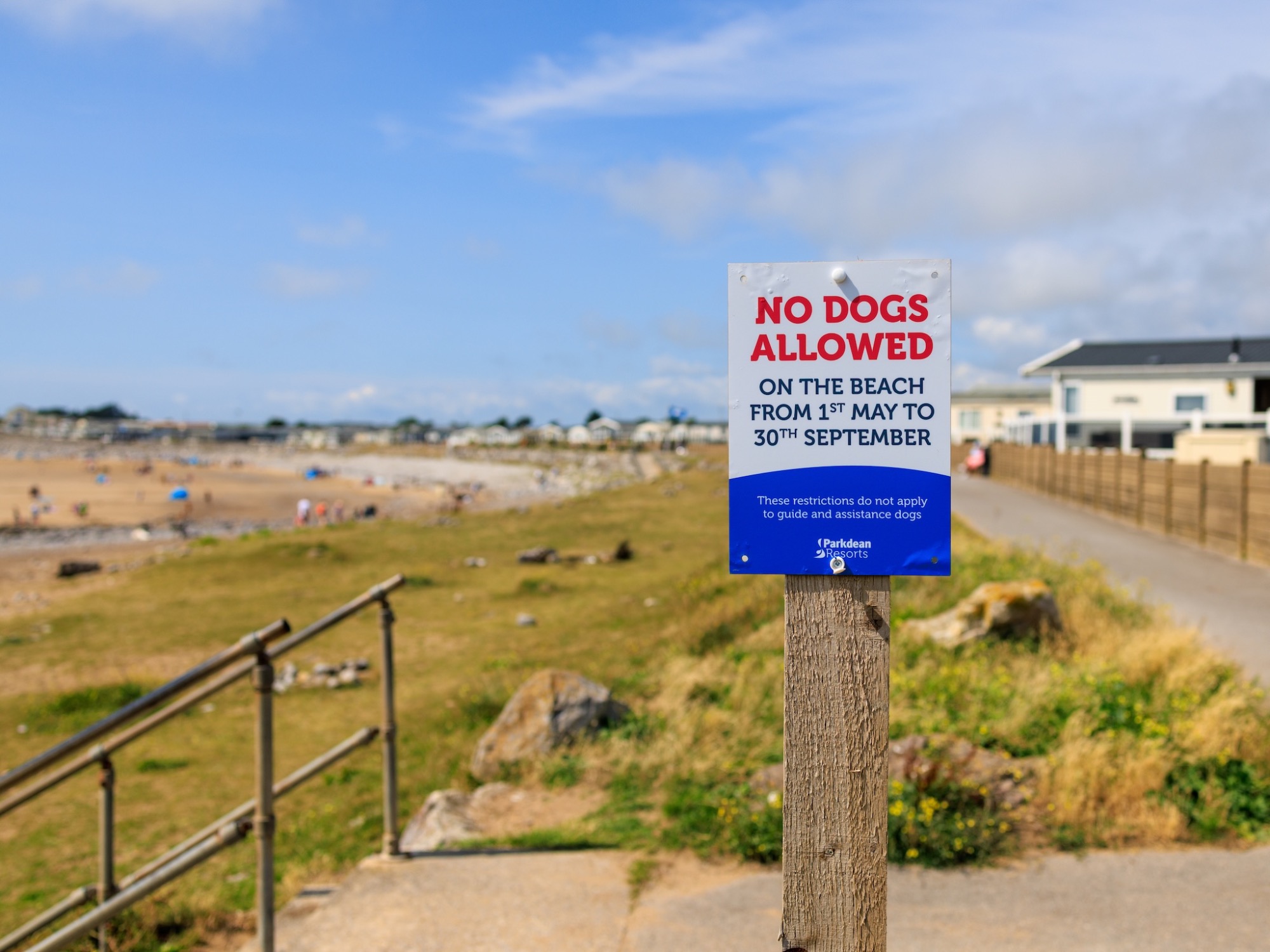
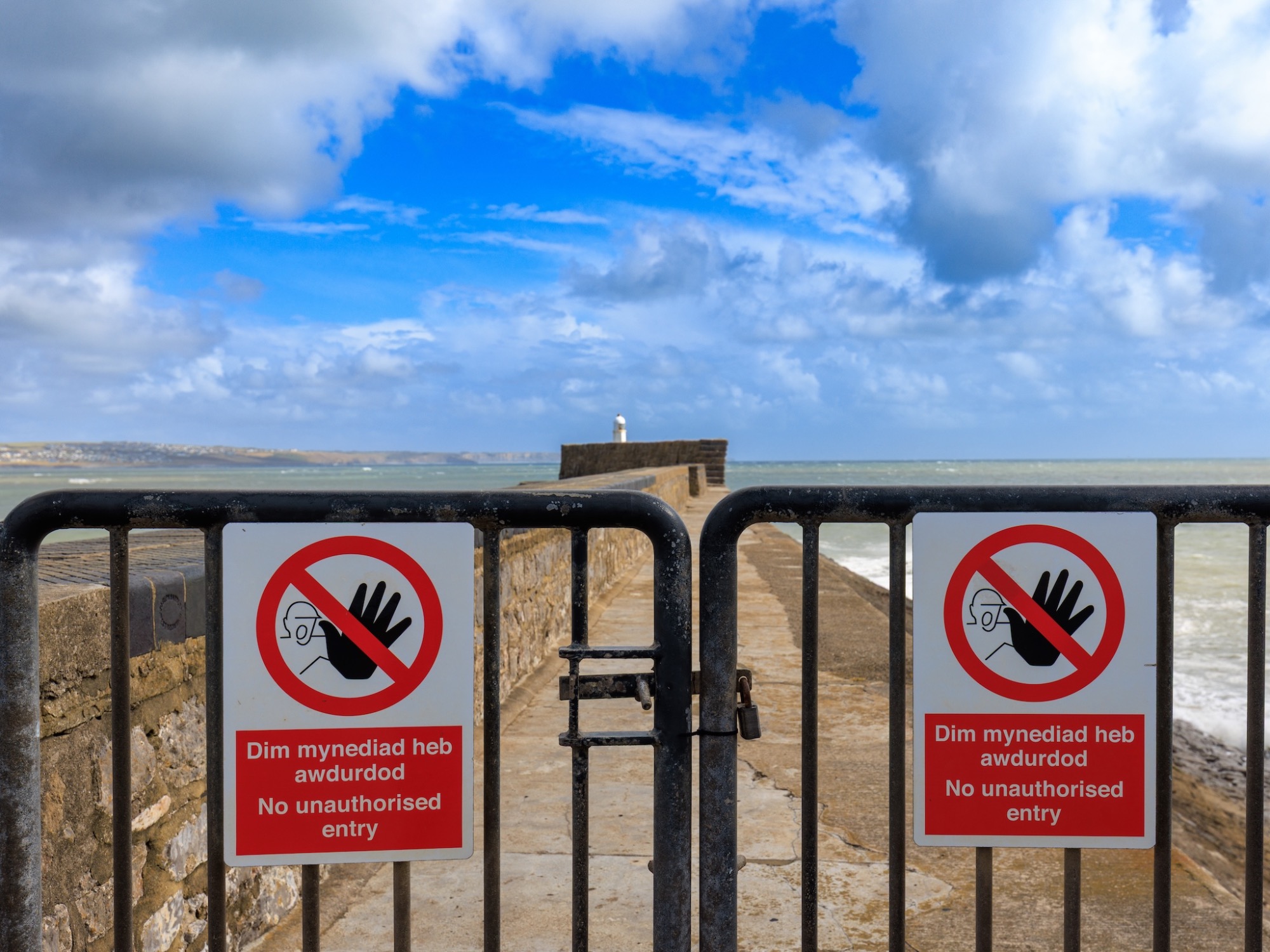
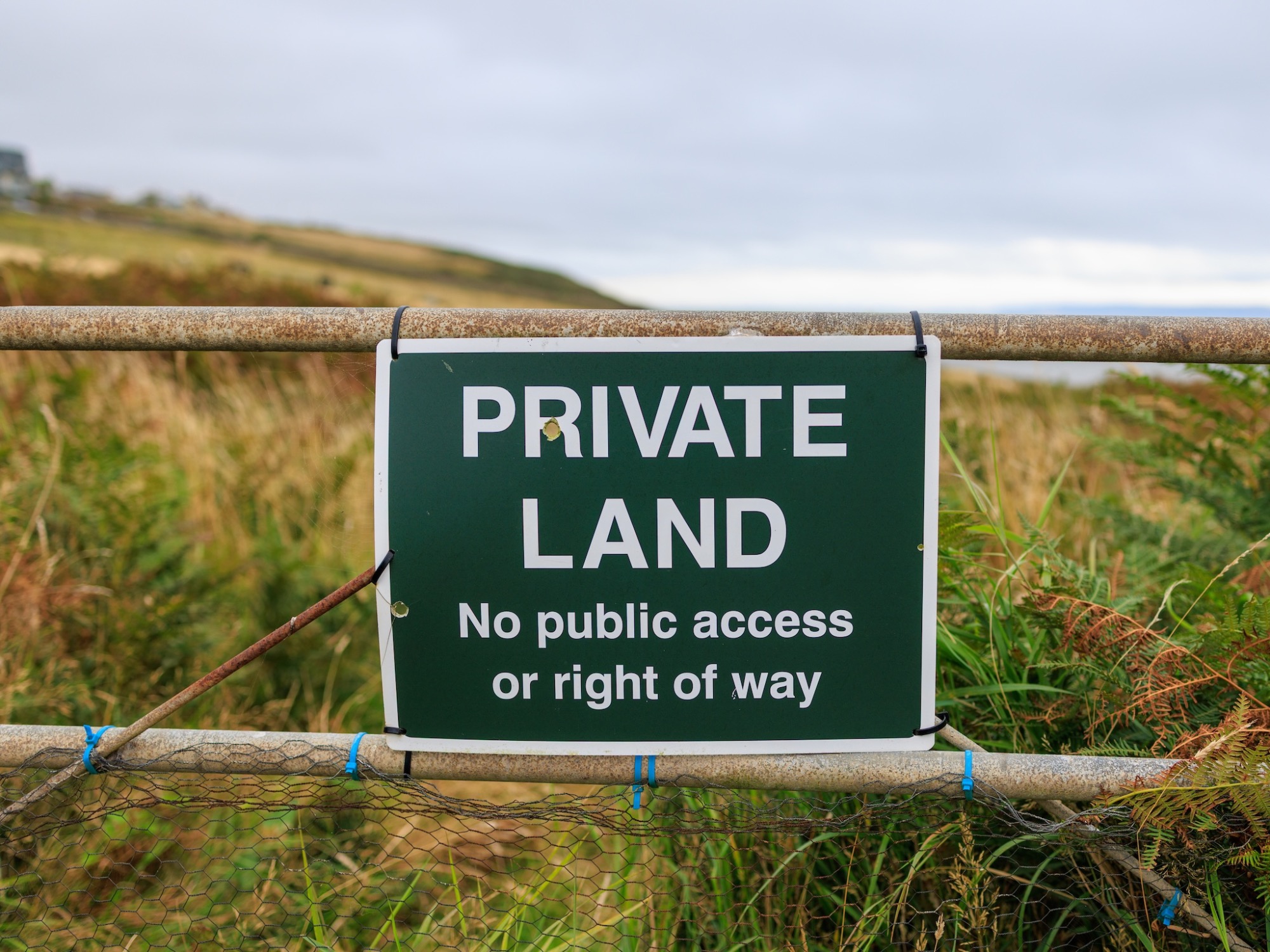
Keep Out! explores the visual language of restriction in everyday life. Through photography, it documents the proliferation of signs that dictate, prohibit, and control our movements: No Parking, Keep Out, No Entry, Do Not Touch. These symbols of authority punctuate our public spaces, quietly shaping how we interact with the world around us.
The project asks viewers to consider how these restrictions reflect broader societal shifts towards surveillance, regulation, and the erosion of spontaneity in public life. It is both a record of the visible barriers we encounter and a metaphor for the invisible ones that govern our choices.